2026 Military Drone Trends How Iranian Shahed-Style Saturation Attacks Drive US Investment in Long-Endurance and Anti-Jamming Platforms
 author
 - 12th February 2026
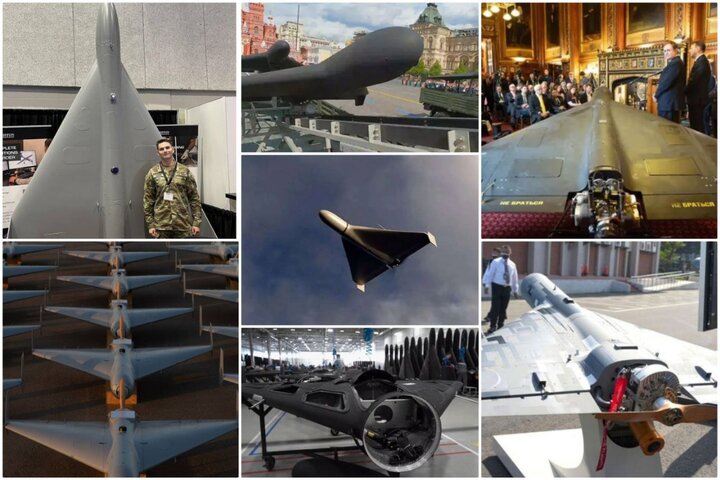
Iranian Shahed-style saturation attacks have forced militaries to confront the unforgiving economics of modern unmanned conflict. The Shahed-136 and its derivatives, built for twenty to fifty thousand dollars apiece with ranges pushing past one thousand kilometers, show how volume alone can degrade even the most capable air defense networks. When waves of dozens or hundreds arrive in tight sequence, radar operators drown in tracks, missile stocks vanish, and the cost-per-engagement swings heavily toward whoever can keep feeding inexpensive airframes into the fight without pause.
Ukraine offers the starkest evidence. Russian forces have integrated Shahed variants into nightly routines, with production already at several hundred units daily in late 2025 and forecasts pointing to further ramp-up through 2026. Interception numbers hold respectable in many cases—often north of ninety percent—but the steady consumption of multimillion-dollar rounds accumulates while the launch side replaces platforms at trivial added expense. The imbalance carries straight into maritime settings: tight sea lanes in places like the Persian Gulf shrink reaction space, compress detection windows, and expose the finite nature of shipboard magazines against threats that regenerate cheaply and persistently.
The US military has pivoted acquisition to match this reality. Current funding streams favor airframes that hold position longer in jammed environments, shrug off electronic denial, and maintain effects with reduced risk to crews or high-value hulls. Long-endurance designs and anti-jamming hardening have become non-negotiable elements in forward programs.
The Persistent Threat from Shahed-Style Saturation Attacks
Shahed drones rely on basic, scalable engineering. The Shahed-136 cruises subsonic, tracks low to postpone radar contact, and packs a warhead capable of meaningful strikes on infrastructure or vessels. Iranian and Russian production combined already delivers hundreds daily as 2025 closes, with projections for daily rates nearing or exceeding one thousand soon. Tactics layer in decoys, faster missiles, or offset timing, spreading defensive effort across broader axes and amplifying the strain on layered systems.
Ukraine supplies continuous proof. Barrages of dozens to over a hundred Shaheds per night demand selective engagement, allowing occasional breakthroughs despite solid interception percentages overall. The economic tilt holds firm: each kill depletes costly munitions while the adversary sustains supply at low marginal cost. Parallel patterns emerge in Red Sea actions and Iranian drills rehearsing mass drone strikes on naval formations.
Maritime domains heighten the problem. Narrow passages limit maneuver, shortening timelines from first detection to intercept. Carrier strike groups, with Aegis radars, SM interceptors, close-in weapons, and directed-energy additions, hit the same wall: magazines carry fixed loads, reloads take time, and logistics ships become targets. Iranian doctrine and visible exercises treat saturation as a standard escalation tool.
US Military Response: Shifting Investment Priorities in 2026
Acquisition has moved decisively. The Drone Dominance program, now heavily funded, aims for hundreds of thousands of small expendable unmanned systems in service by decade’s end, with tens of thousands reaching initial capability in 2026. Earlier Replicator work has solidified into tracks for attritable autonomous platforms and dedicated counter-small UAS kits.
Budgets reflect the focus. Fiscal 2026 counter-unmanned aerial systems funding hits multi-billion levels, directed at low-collateral kinetics, high-power microwaves, and AI-driven track handling for dozens of simultaneous targets. These lines aim to counter volume with volume at bearable expense.
Hardening platforms draws equal resources. Forward long-endurance UAVs face heavy electronic warfare. Jammers blank GPS and datalinks, disrupting navigation and control. Resilient options use vision-inertial fusion—merging camera input with inertial data—to hold sub-meter accuracy without satellites. Multi-element antennas—four- or eight-channel setups—keep communications alive through beam steering and frequency shifts. Autonomous onboard logic carries missions forward during link loss.
Market signals match the direction. Military drone spending forecasts show steady climb through 2030, led by demand for extended flight time, anti-jamming links, and modular payloads. Hybrid propulsion pushes endurance toward multi-day flights in some classes. Payload bays swap roles fast: EO/IR turrets one mission, EW suites the next, relay antennas to span jammed zones.
Testing and deployments confirm the path. Attritable platforms loiter long above contested areas, feed steady tracks to ships and aircraft, and cue interceptors without pulling fire onto capitals. Anti-jamming emphasis stems from real tactics—jammers placed to blind UAVs mid-swarm. Systems that recover on their own and keep data flowing provide the overwatch needed to break saturation cycles.
Emerging Trends Shaping Military Drone Development Through 2030
Trajectories converge as saturation tactics advance. Swarm intelligence advances with AI enabling on-the-fly formation shifts to dodge radar or slip through gaps. Counter networks answer with fused sensors—radar, passive RF, EO—that merge data across nodes for rapid prioritization.
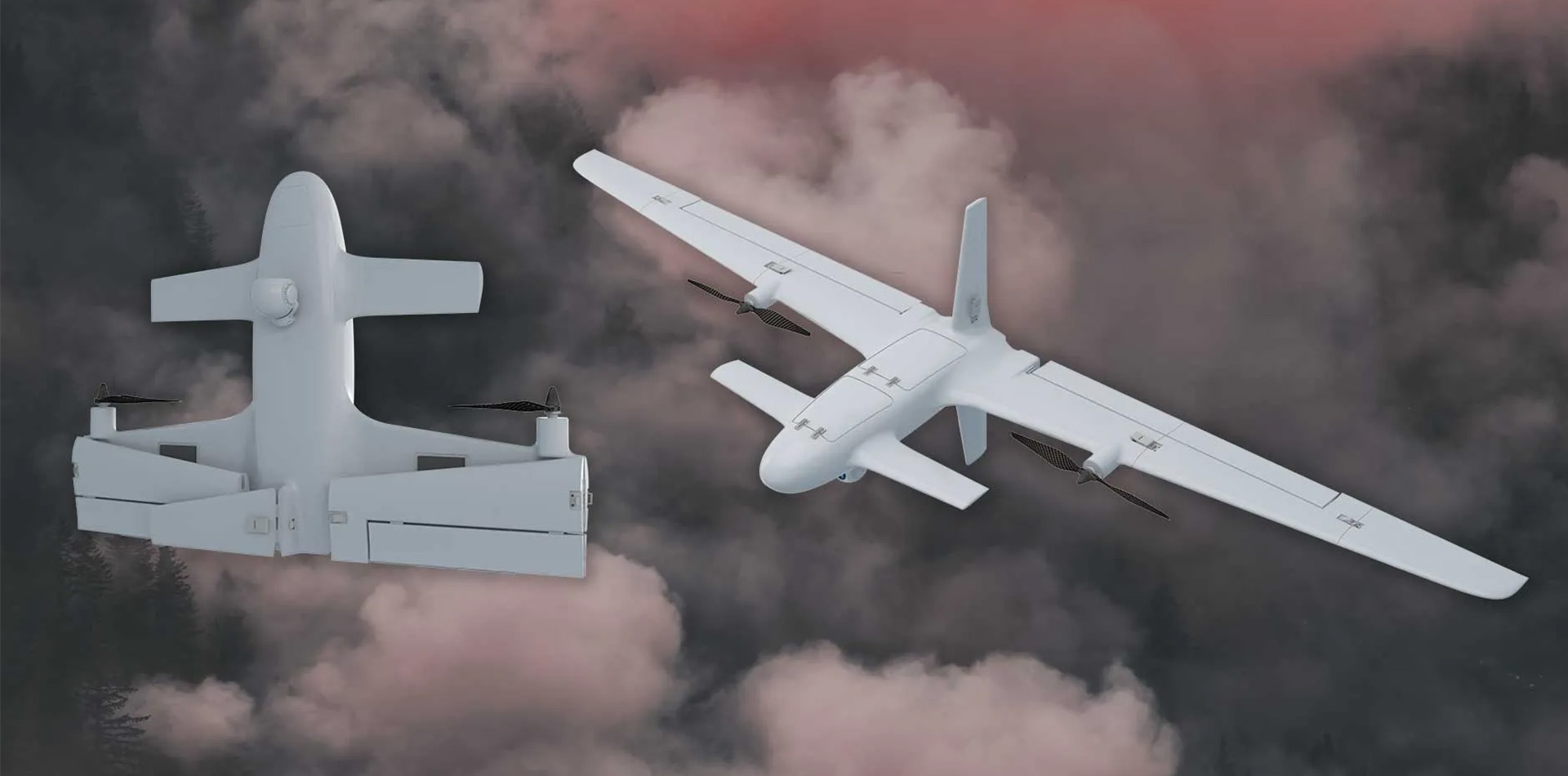
Long-endurance airframes gain weight for unbroken coverage. Designs offering twelve-plus hours, or multi-day with refueling or solar in prototypes, change how assets deploy. Over fleets, they orbit high, delivering constant feeds while countering jamming on navigation or control. Platforms such as the Phantom Reaper X1500 long-endurance anti-jamming UAV deliver 14-hour endurance, military-grade quad-antenna anti-jamming with vision-inertial fusion navigation, and AI-driven targeting for persistent operations in high-threat, contested environments.
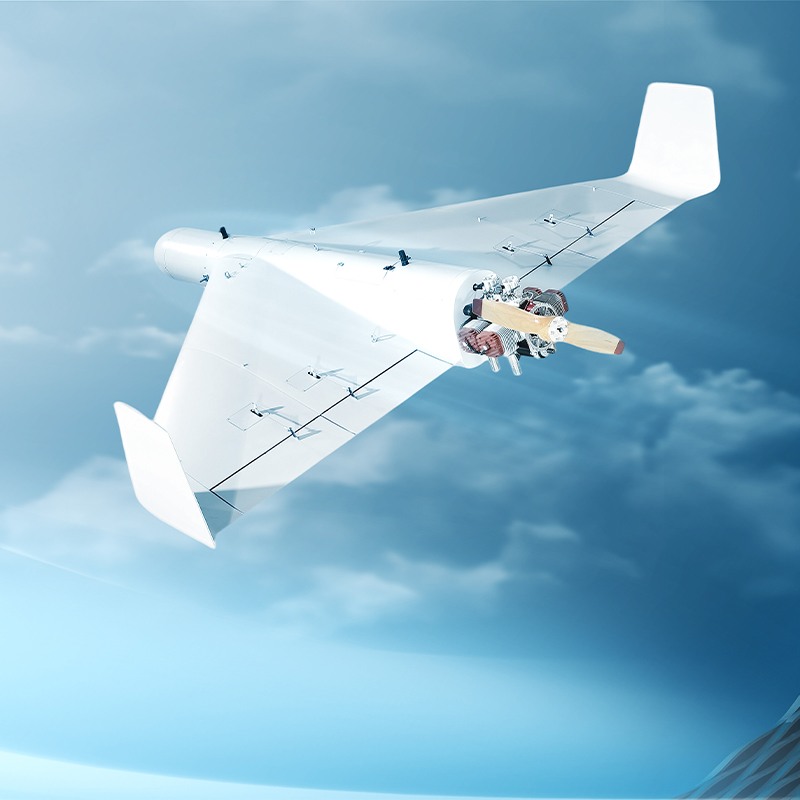
Anti-jamming moves past basic hopping. Steered antennas and inertial-visual fusion support full autonomy in extended denial. Heavy payloads add effectors—nets for capture, lasers to dazzle, relays to bridge jammed sectors.
Modularity rules procurement. Operators want quick swaps: ISR today, EW tomorrow, short downtime. Shorter cycles, hardened commercial parts, high-rate lines enable the scale to match adversary output.
SKYPATH UAV: Providing Reliable Long-Endurance and Anti-Jamming Solutions
SKYPATH UAV supplies military-grade unmanned aerial vehicles and counter-UAS systems to defense, government, and law enforcement clients. Headquartered in Singapore with manufacturing and integration facilities in Southeast Asia, the company fields a team of thirteen PhD holders and twenty-one master’s-level specialists in AI pod integration and flight control. Monthly capacity reaches one thousand units.
Platforms feature vision-inertial fusion navigation for sub-meter accuracy in denied environments. Anti-interference communications use multi-element antennas and signal processing to hold links under jamming. AI-assisted targeting hits recognition accuracy above ninety-nine percent in varied conditions. Heavy-lift and VTOL designs handle wide payloads—from ISR sensors to counter-drone tools—while staying stable in tough maritime and land settings.
Clients get full delivery, mission-tailored builds, fast global shipping, and proven reliability. Where saturation attacks require extended watch and tough countermeasures, these systems bolster layered defenses in step with current needs.
Conclusion
Shahed-style saturation attacks have stripped away illusions about conventional defenses, driving militaries toward platforms that last longer, resist jamming, and scale without breaking budgets. The US military’s focus on long-endurance airframes, anti-jamming hardening, and modular flexibility draws from hard-won lessons in ongoing fights and clear views of what lies ahead. As production lines expand and technologies solidify, these systems will determine control in airspace thick with electronic interference and sheer numbers.
FAQs
How are Shahed-style saturation attacks shaping 2026 military drone trends?
Shahed-style saturation attacks expose gaps in legacy defenses and speed US spending on long-endurance UAVs for steady overwatch and anti-jamming platforms that hold up in denied airspace.
Why do long-endurance UAVs matter so much against drone saturation threats?
Long-endurance UAVs keep ISR flowing and relay data through saturation events, widening defensive bubbles and guiding intercepts without constant manned risk or fragile links.
What makes anti-jamming so important for military drones in 2026?
Anti-jamming features like vision-inertial fusion and multi-antenna modules let drones run autonomously when jammers hit GPS and datalinks in swarm attacks.
How is the US military tackling Shahed saturation attacks in 2026?
The US military meets Shahed saturation attacks with programs pushing attritable systems, long-endurance UAVs with anti-jamming navigation, and scalable counter-UAS tools built for volume.
Why are anti-interference platforms climbing the priority list in drone strategies?
Anti-interference platforms maintain performance in jammed zones, backing persistent ISR, interceptor guidance, and networked counters against high-volume drone threats.

Main Products
Our Main Products
At SkyPath we develop cutting-edge drones for every situation. Please browse our products.
Contact Us
AUS70 Heavy-Duty Integrated C-UAS System
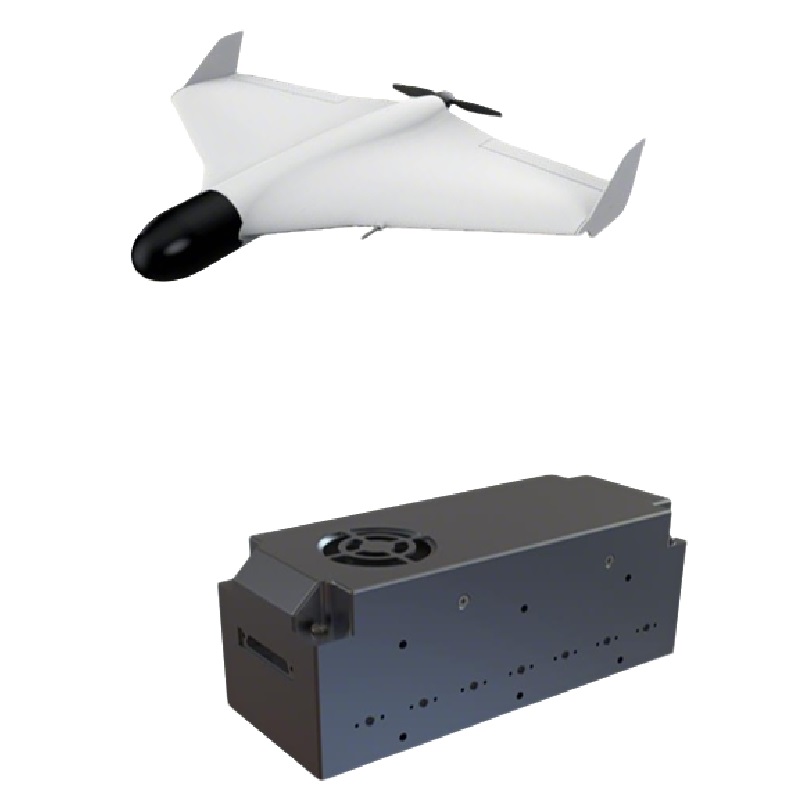
Anti-Drone Jammer Seeker
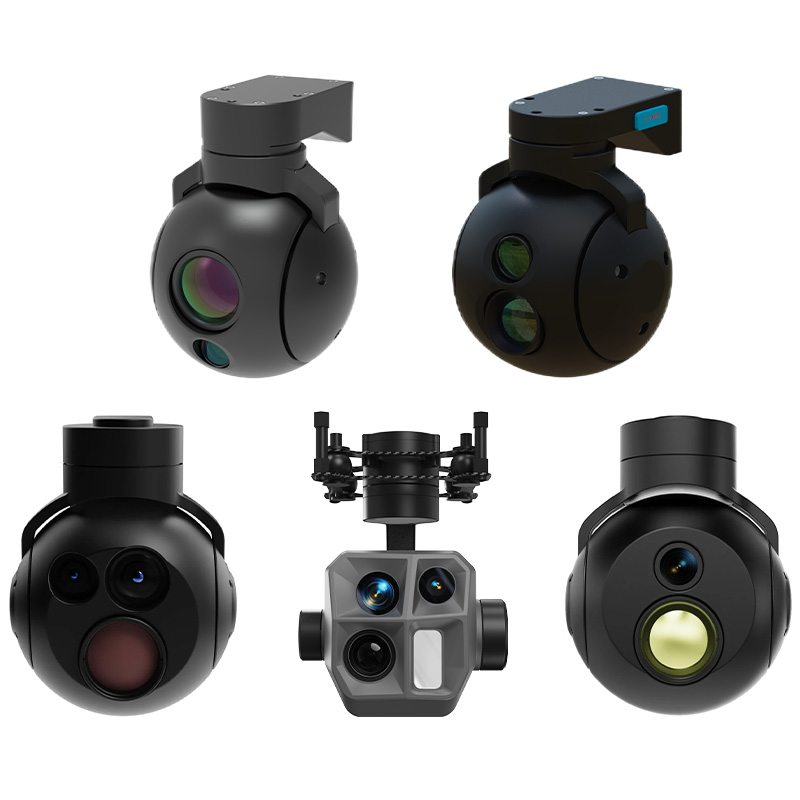
AD SERIES
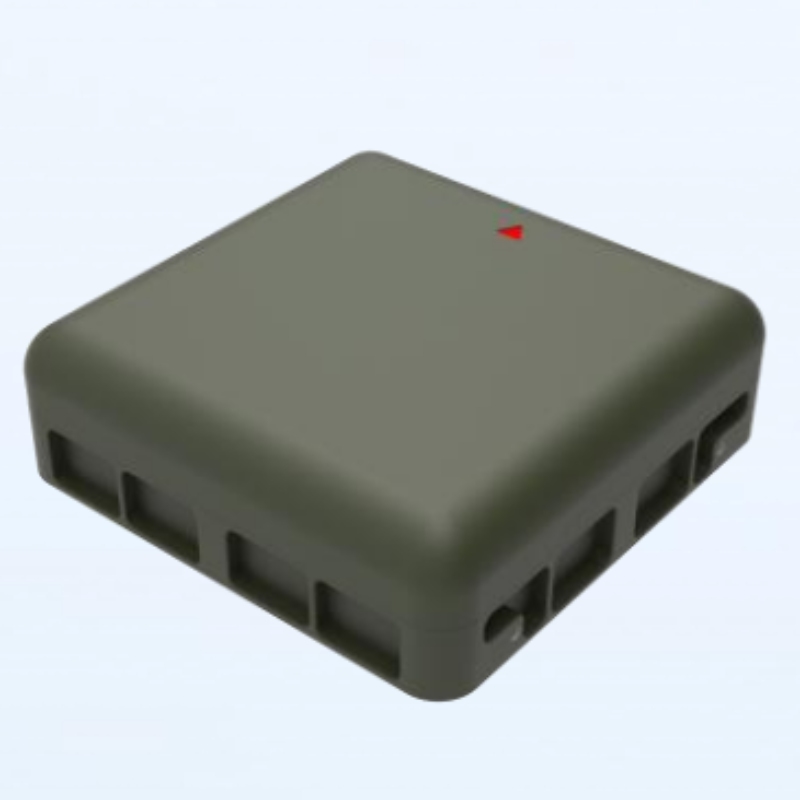
Anti-jamming antenna AJ410
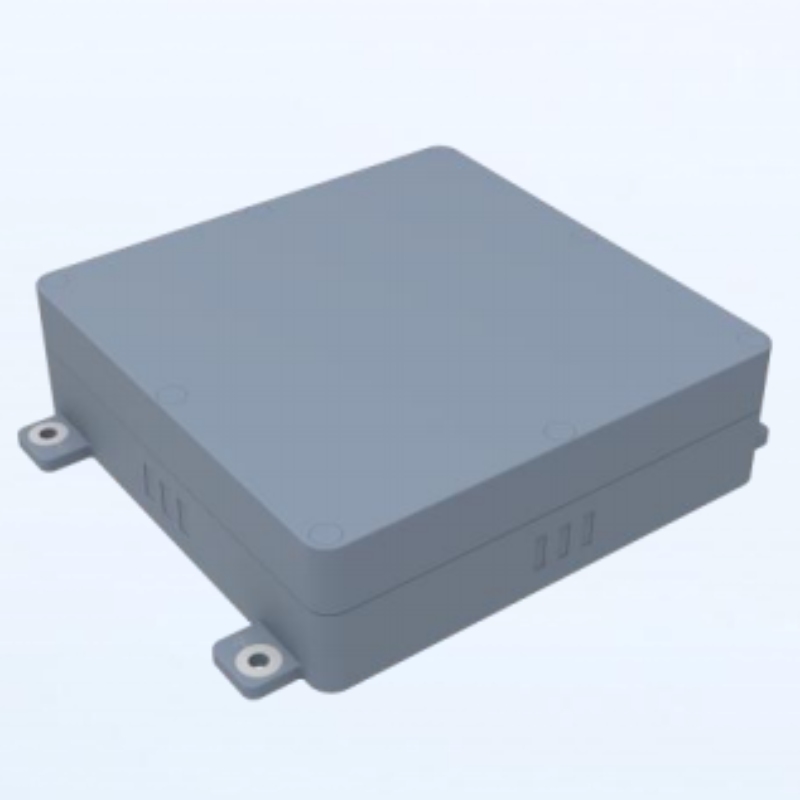
Anti-jamming antenna AJ440
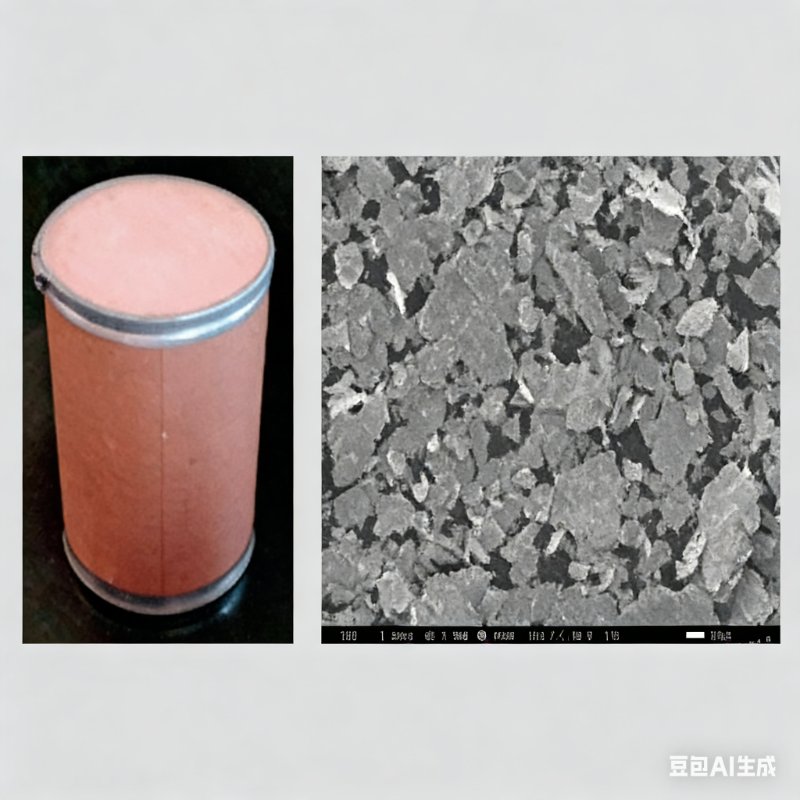
Radar Absorbing Agents