AI-Powered Net Capture Drones: The Pentagon’s Latest Replicator 2 Counter-UAS Deployment in 2026
 author
 - 29th January 2026
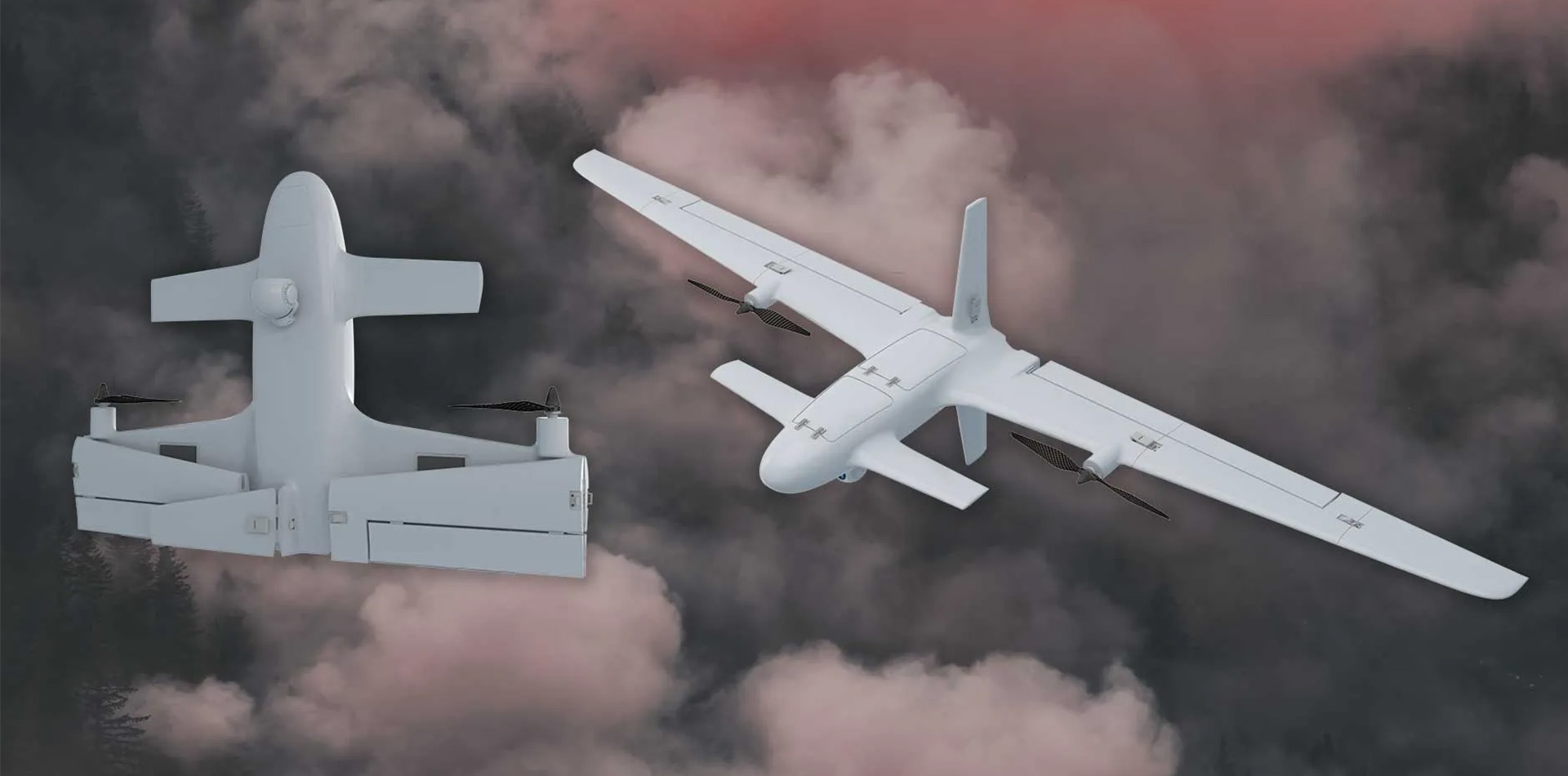
January 11, 2026, JIATF-401 put out the first buy under Replicator 2—two AI-powered net capture drones, specifically DroneHunter F700 units, slated for April delivery to select U.S. military installations. The contract targets the steady stream of Group 1 and Group 2 small UAS that keep showing up over bases and critical infrastructure sites. JIATF-401, activated in August 2025, runs point on synchronizing counter-small UAS across the services, and this initial acquisition opens the door to getting low-collateral interceptors into the field faster than the usual multi-year cycles.
The choice tracks with what operators have seen in the last couple of years. Small drones—cheap, off-the-shelf frames with basic mods—cost almost nothing yet can force base lockdowns, tie up response teams, or collect imagery without a single round fired. When the site sits near civilian areas or houses sensitive gear, explosive intercepts or high-energy effectors create more problems than they solve: debris fields, secondary fires, or collateral claims. Replicator 2 counter-UAS deployment therefore leans hard into reusable, non-kinetic methods that bring the target down intact for exploitation while keeping the immediate area clean.
What Replicator 2 Actually Means for Counter-Small UAS Right Now
Replicator 2 tightened the aperture from the first iteration. The original program, kicked off in 2023, chased thousands of attritable autonomous platforms across multiple domains. Replicator 2, flagged in September 2024, refocuses on the counter-small UAS mission set that has become the daily headache for homeland defense. JIATF-401 owns the coordination piece, pulling requirements from Army, Navy, Air Force, and Marines, then driving contracts that move at procurement speed instead of development speed.
The shift came from hard data. Bases keep logging incursions by slow, low-flying platforms that disappear into ground clutter on legacy radars. Critical infrastructure—substations, ports, fiber nodes—sees the same pattern. The task force’s insistence on low-collateral effectors reflects operational reality: jamming may break the link but leaves the airframe airborne; directed energy needs clear LOS and substantial power; kinetic options scatter fragments over runways or housing. AI-powered net capture drones fill that middle ground—effective enough to stop the threat, safe enough to use near people and equipment.
Two units do not make a program, but they do start the clock on real-world feedback. The April delivery timeline—from task force stand-up to contract award in under six months—shows the kind of pace the initiative wants to lock in.
Inside the DroneHunter F700 Contract and What the Platform Brings
The award covers two DroneHunter F700 systems, with handover planned for April 2026 to begin evaluation and early ops at undisclosed installations. The platform operates as a dedicated interceptor: onboard radar picks up the target, AI classifies and tracks, then the unit launches, closes, and deploys a tethered net to wrap the intruder. Once captured, the interceptor tows or lowers the drone to a recovery zone for handover to intel or EOD teams.
Performance numbers matter in the field. Autonomy handles pursuit and engagement decisions in real time, allowing the system to manage multiple contacts without constant operator input. The tethered net gives a clean capture—no fragmentation, no ground impact beyond the recovery point—and keeps the target intact for reverse engineering or attribution. Reload cycle runs short: battery swap and fresh net in under three minutes, so the unit can stay on station during extended threat windows.
Earlier field use of similar net-based interceptors showed consistent results in cluttered environments. Urban multipath and electronic noise degrade many sensors, but the combination of radar lock and AI trajectory prediction maintains track where single-mode systems drop off. Coverage focuses on Group 1 and Group 2 UAS—the bulk of what shows up over domestic sites—making the platform a direct fit for the Replicator 2 counter-UAS mission.
Against other tools, net capture holds its own. Jamming disrupts command but leaves autonomous drones flying their last programmed path. Lasers need power and clear sightlines that mobile defense rarely guarantees. Kinetic solutions introduce hazard zones unsuitable for bases bordered by housing or highways. The approach trades raw speed for safety and intelligence value, which operators value when the goal is containment rather than destruction.
How AI-Driven Net Capture Actually Plays Out in Counter-UAS Engagements
Detection kicks off the sequence. Radar sweeps for low-signature targets, AI filters birds and ground returns to flag real threats. Launch follows—autonomous or operator-triggered—then pursuit with continuous course corrections based on target maneuvers.
Engagement window closes fast, usually inside a few kilometers. The net fires at short range, spreads wide, and envelops the drone. Tether control lets the interceptor manage descent or tow to a predetermined drop zone. Onboard AI decides engagement parameters—pursue aggressively on a fleeing target or hold position on a loitering one—cutting decision latency in high-pressure windows.
Bases with long perimeters see the value clearest. A drone hugging tree lines or approaching from low cover slips past ground sensors; an airborne interceptor closes the distance in seconds, captures without explosion, and returns payload data. Recovery preserves evidence chain, critical when tracing origin back to state actors or commercial supply chains.
Reusability keeps the system viable over long alerts. Post-intercept crews swap batteries and reload nets quickly, maintaining coverage without pulling the unit for extended maintenance. When tied into broader sensor nets—fixed radars cueing the interceptor—response becomes layered rather than point-to-point.
What This Means for Bases and Infrastructure Protection Going into 2026
Installation commanders get a mobile layer that plugs gaps in static defenses. Small UAS keep testing perimeters, forcing manual patrols or temporary shutdowns. Replicator 2 counter-UAS deployment adds an autonomous response that reduces manpower drain while increasing intercept probability.
Critical infrastructure operators face parallel exposure. Substations and rail yards sit in similar low-altitude threat envelopes. Non-destructive capture keeps systems online—no power blips from debris, no comms blackout from broad-spectrum jamming—while handing over forensics for follow-up.
The contract sends a message to industry. Designs that combine AI autonomy with low-collateral effects now have a clear path to validation. JIATF-401’s coordination role sets the stage for common standards on data sharing, training, and interoperability, which could shorten future fielding times.
Hurdles exist. Moving from two units to fleet-level coverage demands proven uptime in rain, wind, and EW environments. Integration with joint C2 networks requires standardized interfaces to avoid stovepipes. Still, the compressed timeline—from announcement to delivery—shows the program intends to close those gaps before small UAS tactics advance further.
Steps Defense Teams Can Take to Get Ready for and Work with Similar Counter-UAS Systems
Security officers start with site-specific mapping. Walk the perimeter, note blind spots from buildings or vegetation, chart likely ingress routes from adjacent roads or open fields. Pull recent incident reports—near misses and confirmed detections—to quantify exposure.
Sensor coverage comes next. Legacy radars miss many low-slow targets in clutter; adding mobile or layered detection improves baseline awareness. Fuse radar, RF, and optical feeds to cut false alarms. Sites that routinely chase wildlife waste cycles that could go to real threats.
Mitigation selection weighs the environment. Net capture systems shine where collateral must stay near zero. Check integration points—does the platform speak to existing command software? Can it function without GPS through inertial or vision fallbacks?
Training follows. Operators drill launch procedures, autonomous modes, and manual take-over. Run multi-threat exercises: one drone draws attention while a second approaches from another vector. Track detection-to-intercept times and refine protocols.
Procurement engagement runs parallel. Watch JIATF-401 releases for additional buys or test slots. Contractors align capabilities—autonomy, reusability, low collateral—with documented needs and push for integration trials. Early involvement shortens the path from contract to field.
Method comparison helps frame decisions. Net capture dominates in built-up areas where debris creates follow-on issues. Jamming works in open terrain but leaves autonomous platforms active. Lasers deliver standoff precision but tie to fixed power. Layered setups—detection cueing multiple effectors—provide the most resilience as threats shift.
Operational rules guide choices. Lone intruder in low-risk zone? Initial soft disruption. Coordinated group? Autonomous net response across vectors. Persistent observer? Track and commit when rules allow. Upstream prevention matters: geofencing tools block launches near sensitive sites, awareness campaigns drop recreational intrusions.
Where Replicator 2 and Net Capture Tech Head After the Initial Fielding
The two-unit start sets up for incremental growth. Positive test results at installations open the door to wider distribution, especially as small UAS operations grow more synchronized. Swarm handling becomes the logical next step—coordinated interceptors saturating incoming groups under shared command.
Budget lines continue upward for counter-small UAS. Validation of AI-autonomous, low-collateral designs encourages vendors to iterate on range, reload speed, and network integration.
Organizations that move early on modular platforms gain position. Adapting to accelerated procurement models builds capability ahead of the threat curve in contested low-altitude airspace.
About SKYPATH UAV
SKYPATH UAV supplies military-grade unmanned aerial systems and counter-UAS solutions from its base in Singapore, with manufacturing and integration spread across Southeast Asia. The company handles the full cycle—design, production, integration, fielding, and long-term support—for defense and security customers. Engineers, including several PhDs and master’s-level specialists, advance AI target recognition, flight autonomy, and anti-interference systems. Platforms deliver high-accuracy identification, reliable navigation, and extended endurance in demanding conditions. Focus stays on field-proven performance, mission-specific tailoring, and sustained operational reliability across reconnaissance, precision effects, and airspace defense roles.
Conclusion
The Pentagon’s opening move under Replicator 2—procuring two AI-powered net capture drones for April 2026 delivery—directly tackles the small UAS threat profile at military installations and critical infrastructure. Emphasis on reusable, low-collateral interception meets the practical need for containment without widespread disruption. As JIATF-401 gathers field data, comparable technologies give defense organizations a concrete way to build layered, autonomous defenses. Teams overseeing base or infrastructure security gain advantage by assessing these capabilities against current vulnerabilities and aligning with the program’s rapid acquisition track.
FAQs
What is the DroneHunter F700 under Replicator 2 counter-UAS deployment?
The DroneHunter F700 is the first system acquired in Replicator 2, an AI-guided interceptor that uses tethered nets to capture and tow small drones with minimal collateral risk at U.S. military sites.
How do AI-powered net capture drones handle counter-small UAS missions?
They detect with onboard radar, pursue autonomously, deploy nets to envelop targets at close range, and tow the captured drone to a safe recovery point, preserving evidence while avoiding debris.
Why was net capture selected for the Pentagon’s Replicator 2 first purchase?
Net capture delivers non-destructive intercepts that maintain low collateral damage and allow forensic recovery, making it suitable for homeland bases where explosive or high-energy methods create unacceptable secondary hazards.
What happens after the Replicator 2 DroneHunter F700 delivery in 2026?
April delivery initiates testing and integration at installations, generating operational feedback that will shape follow-on acquisitions and potential expansion of counter-small UAS coverage.
How can defense teams prepare for Replicator 2-type counter-UAS capabilities?
Map site vulnerabilities, layer detection sensors, train on autonomous intercept procedures, run multi-threat drills, and track JIATF-401 updates to position for rapid procurement and integration opportunities.

Main Products
Our Main Products
At SkyPath we develop cutting-edge drones for every situation. Please browse our products.
Contact Us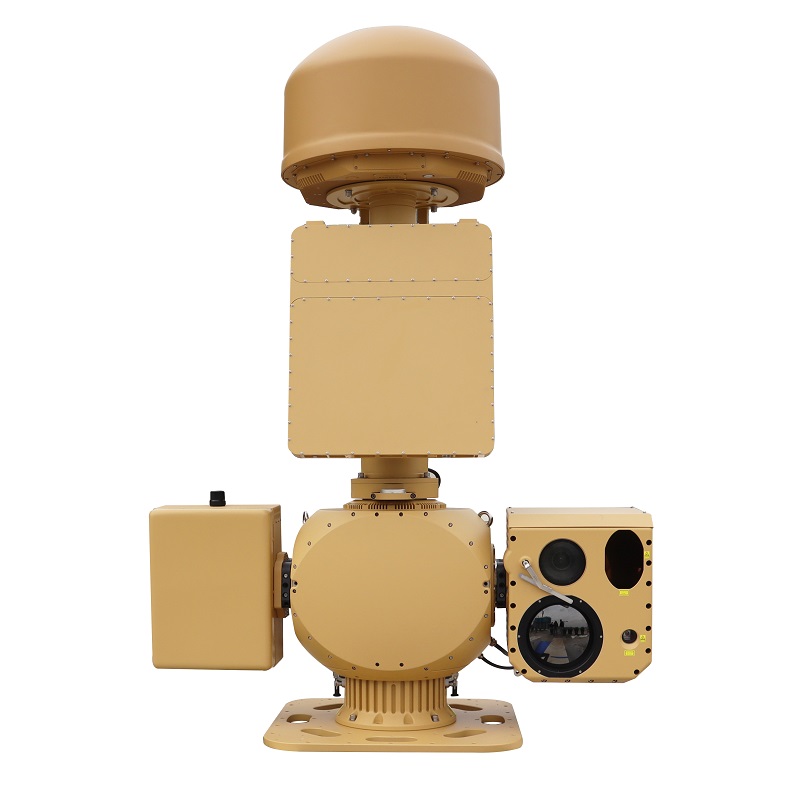
AUS70 Heavy-Duty Integrated C-UAS System
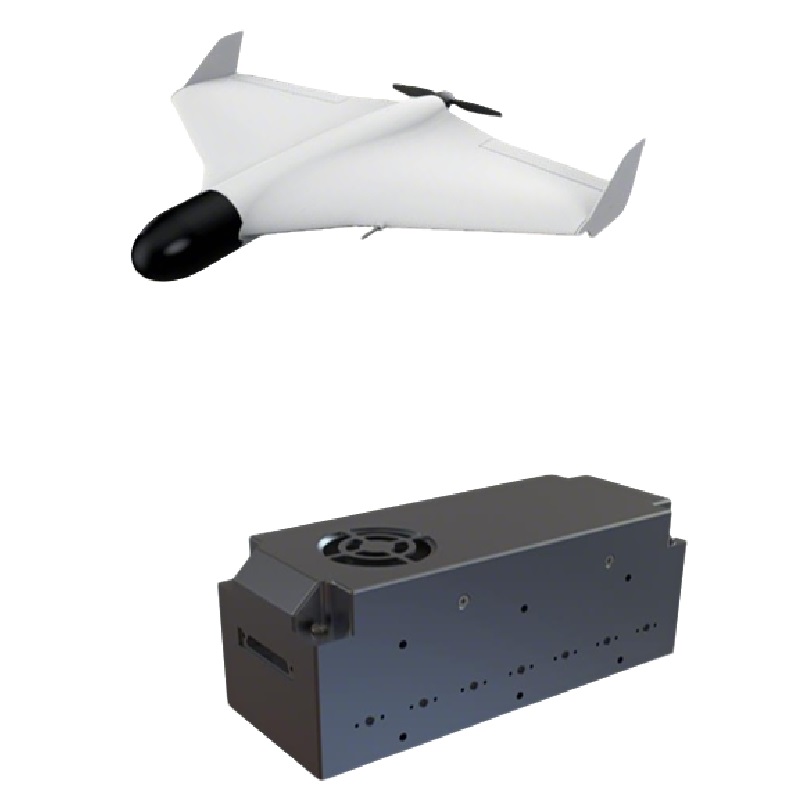
Anti-Drone Jammer Seeker
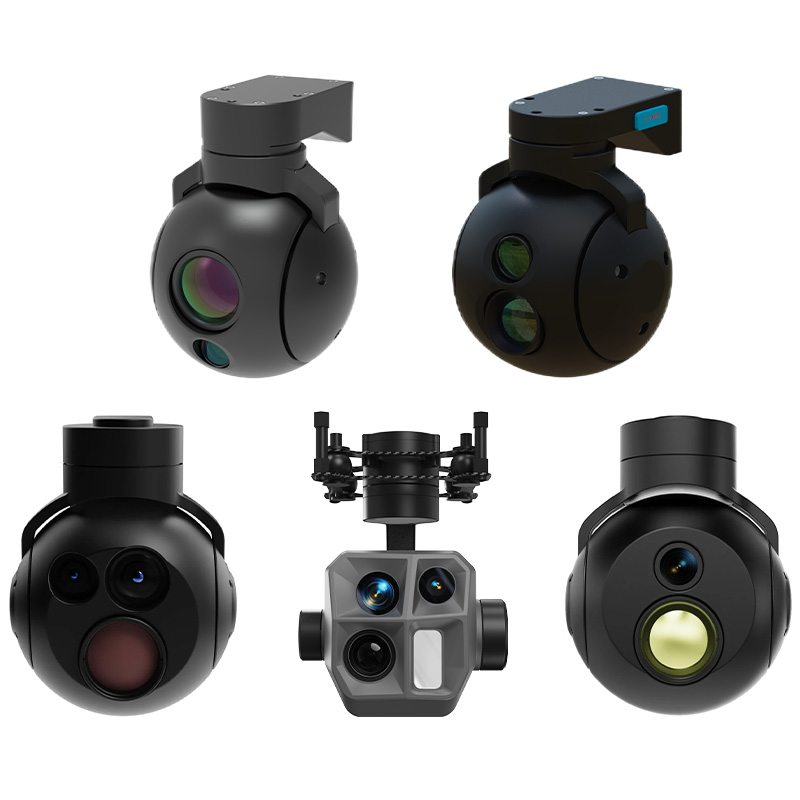
AD SERIES
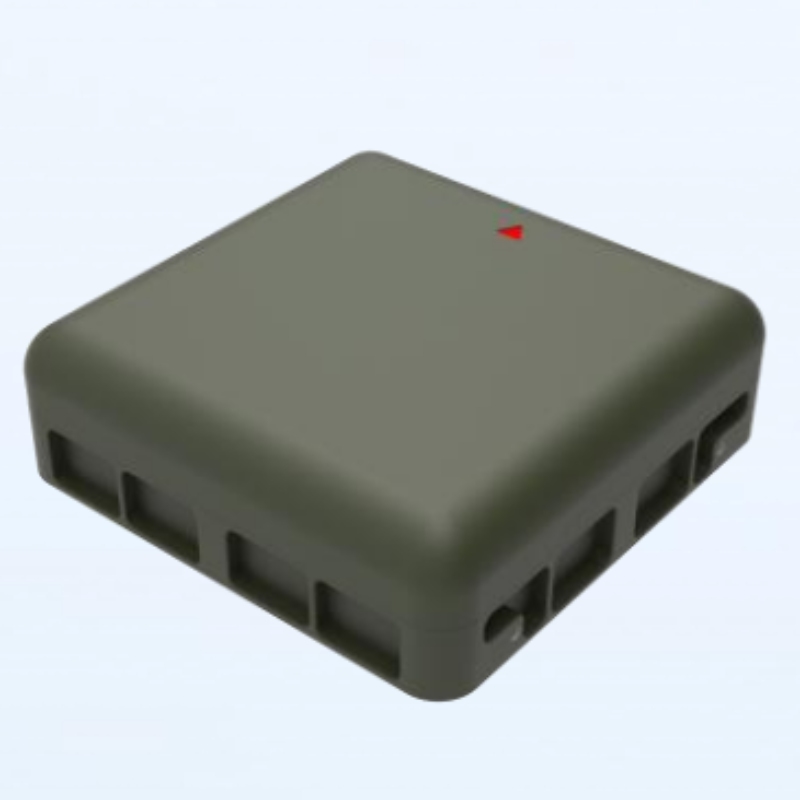
Anti-jamming antenna AJ410
Anti-jamming antenna AJ440
Radar Absorbing Agents