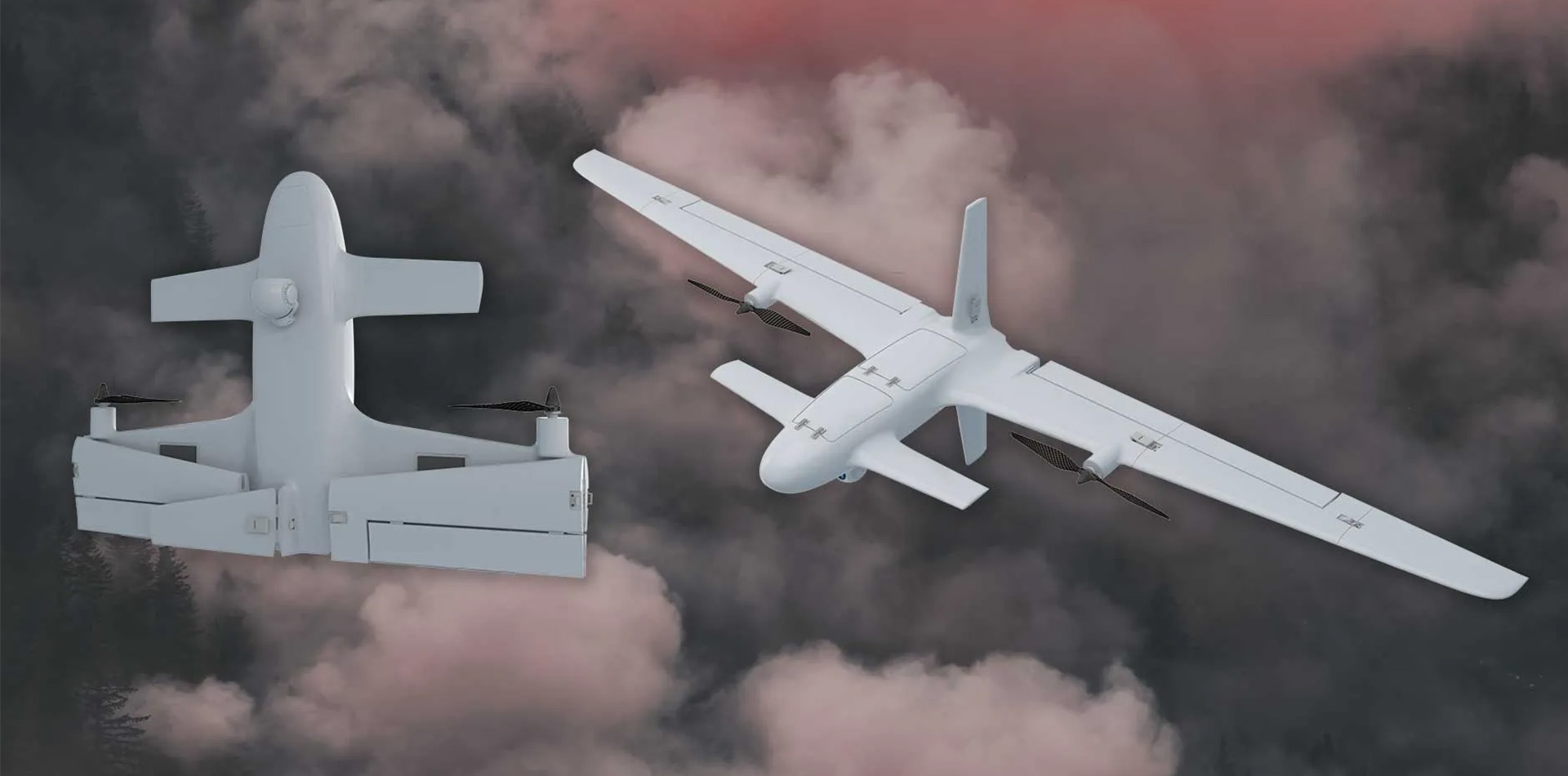
Anti-Drone Interceptors Are Not FPV Drones — Here’s the Real Difference
 author
 - 14th May 2026
Meta Description: Think anti-drone interceptors are just big FPV drones? Think again. From AI-guided flight controllers to combat architecture, here’s why they’re fundamentally different systems — and why that distinction matters for real-world defense.
Have you ever heard someone say, *”Isn’t your anti-drone system just a glorified FPV quadcopter? Same flight controller, same video feed — what’s the difference?”*
If you work in counter-UAS, you’ve probably heard this more times than you can count. And every time, it’s equal parts frustrating and understandable. On the surface, the parts look similar. The chips are similar. Even the wiring looks similar.
But beneath the surface? They’re not just different — they’re fundamentally different species. FPV drones are built for human enjoyment. Anti-drone interceptors are built for AI-guided combat. Confusing the two isn’t a minor misunderstanding — it’s a category error.
Let’s break down exactly what separates them, without the jargon.
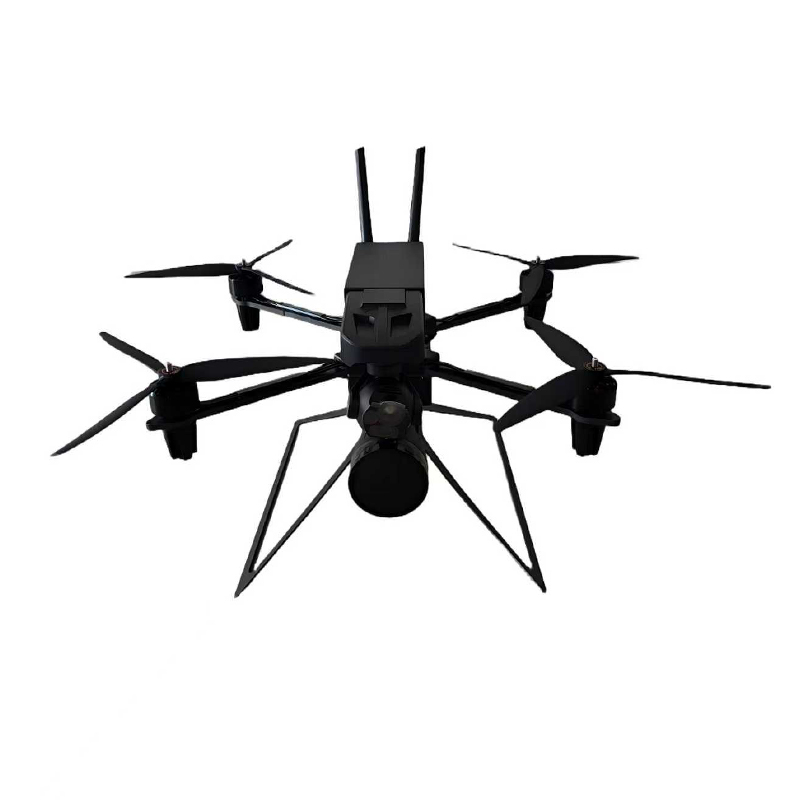
The Core Difference: Human Flying vs. AI Fighting
Here’s the simplest way to understand it:
- FPV dronesare designed for one thing: a human pilot experiencing flight through a first-person view. Freestyle tricks, racing gates, cinematic shots — it’s about the pilot’s skill and the thrill of the flight.
- Anti-drone interceptorsare designed for one thing: detecting, tracking, and neutralizing a hostile drone before it reaches its target. The pilot may monitor, but the AI does the flying and the fighting.
In FPV, if you wobble, you recover. If there’s a bit of latency, you adjust. If the video feed cuts out briefly, you hover and wait.
In anti-drone operations, none of that is acceptable. A target moving at 200 km/h doesn’t give you time to adjust. A 50-millisecond delay in AI tracking means a miss. A video interruption at the wrong moment means mission failure.
FPV = pilot experience. Anti-drone = guidance closed loop. One is for playing. The other is for intercepting.
AI + Flight Controller: What “Deep Collaboration” Actually Means
Many people assume the AI-flight controller relationship is simple: the AI spots a target, sends coordinates, and the flight controller follows. That’s barely scratching the surface.
In a real anti-drone system, the AI module and flight controller operate in a continuous, bidirectional loop:
What the AI does (beyond just “seeing”)
- Captures imagery and identifies the target drone
- Calculates distance using binocular vision
- Predicts the target’s trajectory one second ahead
- Outputs dynamic guidance parameters: yaw angle, pitch angle, and rate of closure
The AI isn’t handing off a static coordinate. It’s delivering a real-time guidance curve that updates constantly.
What the flight controller does (beyond just “flying stable”)
- Receives AI guidance commands and executes rudder responses in milliseconds
- Handles sudden target maneuvers — a sharp turn, a dive — without lag
- Maintains attitude stability under high-G loading
- Reports its own state back to the AI: current attitude, speed, altitude, payload status
The closed loop
The AI adjusts its recognition thresholds based on the flight controller’s reported attitude. The flight controller pre-positions control surfaces based on the AI’s trajectory predictions. They don’t just talk to each other — they compensate for each other in real time.
This entire architecture is unnecessary in FPV. In FPV, the human brain decides, and the flight controller just stabilizes. In anti-drone systems, AI is the brain, and the flight controller is the neuromuscular system. Remove either, and the system fails.
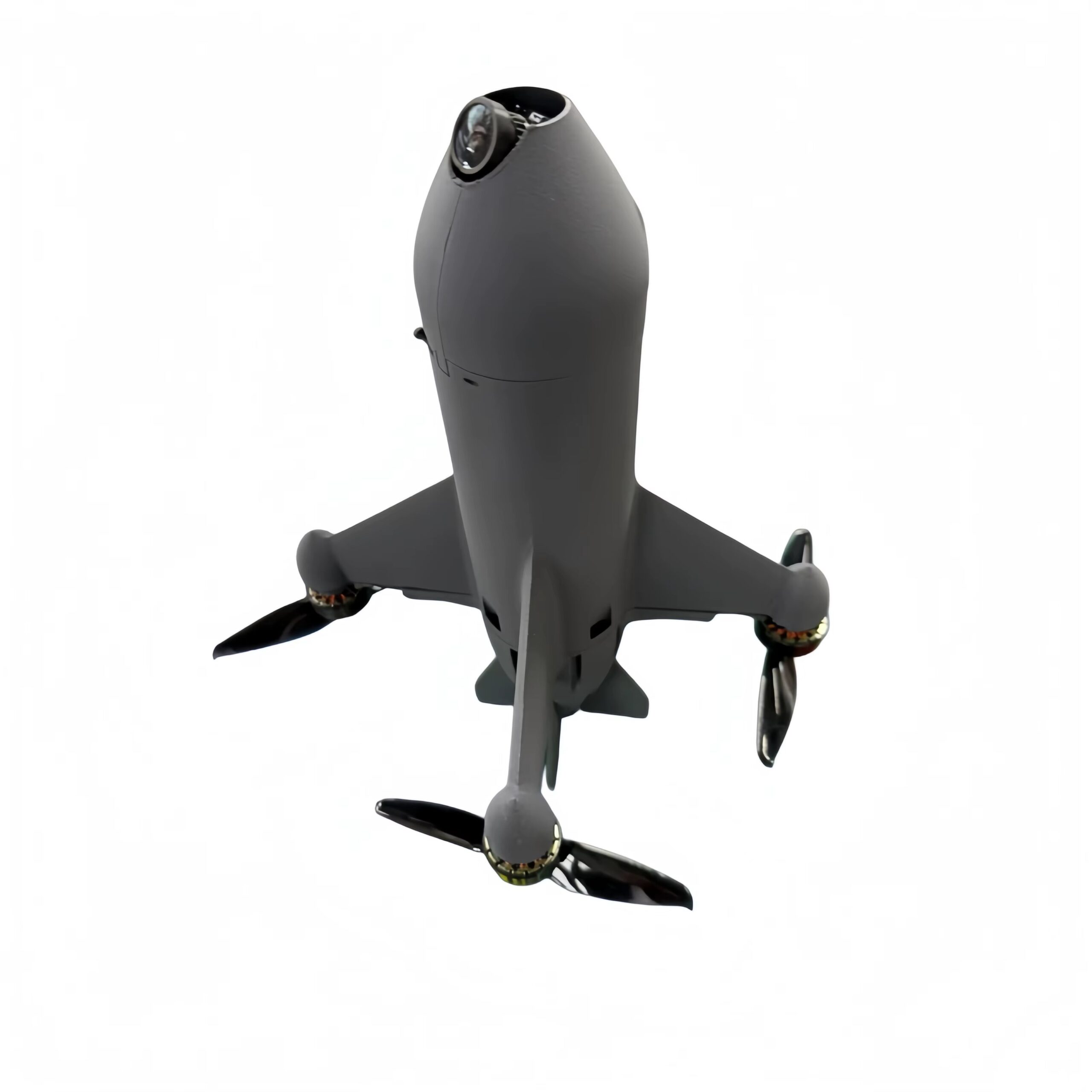
Architecture Comparison: Entertainment vs. Combat
| Layer | FPV Drone | Anti-Drone Interceptor |
| Core intelligence | Human pilot (visual, reactive) | AI module (predictive, autonomous) |
| Flight controller | Stabilizes attitude; pilot commands attitude | Executes guidance commands; reports state back to AI |
| Sensors | Gyroscope, GPS, barometer | IMU, binocular/stereo vision, infrared, optional radar |
| Data link | RC receiver (pilot inputs) | Serial/CAN bus (AI ↔ FC high-frequency refresh) |
| Video feed | Primary flight reference (pilot depends on it) | Auxiliary observation only (AI doesn’t need it) |
| Actuation | ESCs + motors (built for agility) | Servos/control surfaces (built for precision response) |
| Terminal phase | Landing or disarm | Kinetic impact or detonation |
The difference isn’t incremental. It’s architectural.
Flight Controllers: Same Chips, Completely Different Behavior
Yes, both might use F405 or F722 chips. That’s where the similarity ends.
An anti-drone flight controller must meet requirements that FPV firmware never considers:
| Requirement | Why It Matters |
| Guidance refresh rate ≥ 50 Hz | AI sends 50+ corrections per second. The FC must catch and execute every one — miss one, and you miss a maneuvering target. |
| High-G stability and disturbance rejection | Rocket dives, sharp turns, rapid acceleration. The FC can’t oscillate or lose attitude under load. |
| Seamless manual/AI handoff | Pilot takes over → AI goes silent instantly. Pilot releases → AI resumes control with zero transient. Not a single servo twitch. |
| Target-loss contingency logic | FPV loses target → return to home. Anti-drone loses target → maintain intercept trajectory and reacquire. |
| GPS-denied attitude hold | In high-jamming environments, GPS is unreliable. The FC must maintain precision on inertial navigation alone. |
Same chip, completely different firmware. FPV flight controllers are consumer-grade. Anti-drone flight controllers are guidance-grade. The difference is in the logic, not the silicon.
ESCs, Servos, and Power: Aggression ≠ Effectiveness
Another common misconception: *”FPV motors are insanely powerful — just use those for anti-drone and you’re set.”*
Wrong.
| FPV | Anti-Drone | |
| Power goal | Maximum burst, maximum speed, maximum agility | Stability, fast response, smooth trajectory |
| ESC behavior | Aggressive startup, rapid throttle changes | Linear response, clean command following |
| Servo/control surface | Not applicable (FPV uses differential thrust) | Must respond instantly, precisely, and without overshoot |
| Flight path | Freestyle — sharp moves are desired | Intercept — smooth pursuit with terminal correction |
The FPV approach to power is *explosive*. The anti-drone approach is *precise*. Applying FPV’s violent power logic to an interceptor produces, at best, inaccurate tracking. At worst, attitude collapse during a critical engagement.
Tuning: Feel vs. Kill Chain
This is where the difference becomes most concrete.
FPV tuning revolves around pilot feel: throttle linearity, stick response curves, gimbal smoothness. If it feels good to fly, it’s tuned well.
Anti-drone tuning revolves around a single measure of success: *did the AI lock onto the target, did the flight controller follow it, and did the interceptor hit it?*
The parameters that matter:
- AI recognition sensitivity— no false positives, no missed detections
- Target prediction coefficients— pursuit without oscillation or overshoot
- Attitude loop stiffness— no wobble, no drift, no lag
- Guidance command limiting— prevents excessive maneuvers that destabilize the platform
- Manual/AI switching dead zone— zero conflict, zero transient response
- Target-loss and reacquisition logic— maintains trajectory, re-locks without hesitation
From start to finish, anti-drone tuning has nothing to do with “how it feels” and everything to do with whether the system kills the target.
Video Transmission: Protagonist vs. Observer
This is the point 90% of newcomers get wrong.
In FPV, the video feed is everything. The pilot flies through it. Lose it, and you’re blind.
In anti-drone systems, the video feed is an observer, not a pilot. AI guidance doesn’t depend on it. The flight controller doesn’t depend on it. Terminal guidance doesn’t depend on it. The feed exists so ground operators can monitor the engagement — nothing more.
In fact, most anti-drone systems use analog video transmission. Not because it’s cheaper, but because it offers:
- Minimal latency
- Continuous connection (no buffering, no reconnection handshakes)
- Guaranteed last-frame delivery before impact
High-resolution digital feeds with intermittent lag are worse than useless in this context. A single dropped frame during terminal approach can mean a miss.
The Bottom Line
FPV drones are built for people who want to fly. Anti-drone interceptors are built for systems that need to fight.
The parts may look the same. The core logic, architecture, and operational standards are completely different.
Next time someone asks *”Isn’t that just a big FPV drone?”* — you now have the answer.
Interested in counter-UAS technology that’s built for the mission, not adapted from a hobby? [Contact SkyPath UAV](#) to learn more about our guidance-grade anti-drone systems.

Main Products
Our Main Products
At SkyPath we develop cutting-edge drones for every situation. Please browse our products.
Contact Us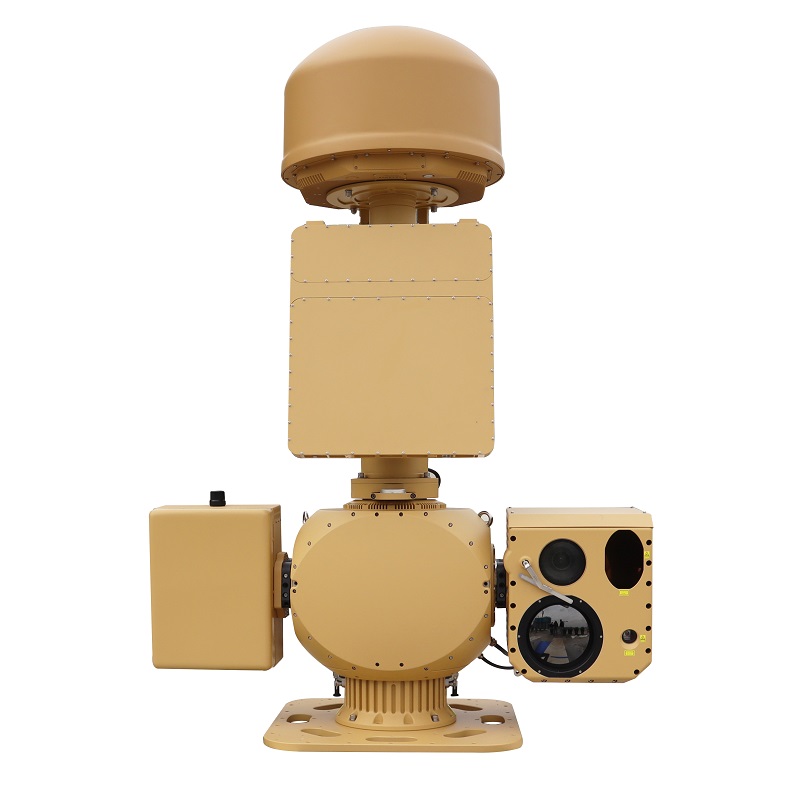
AUS70 Heavy-Duty Integrated C-UAS System
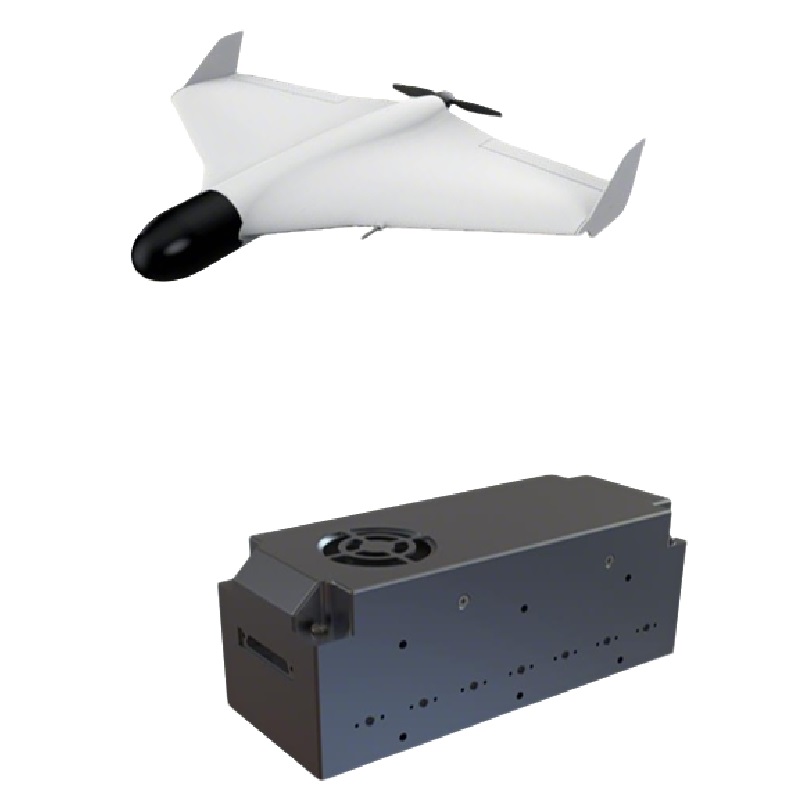
Anti-Drone Jammer Seeker
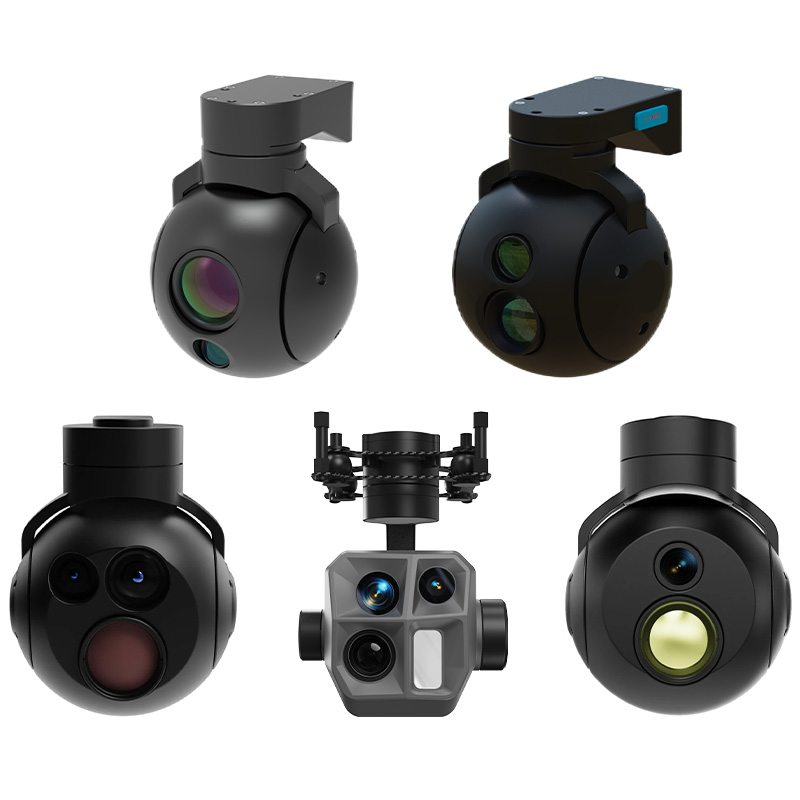
AD SERIES
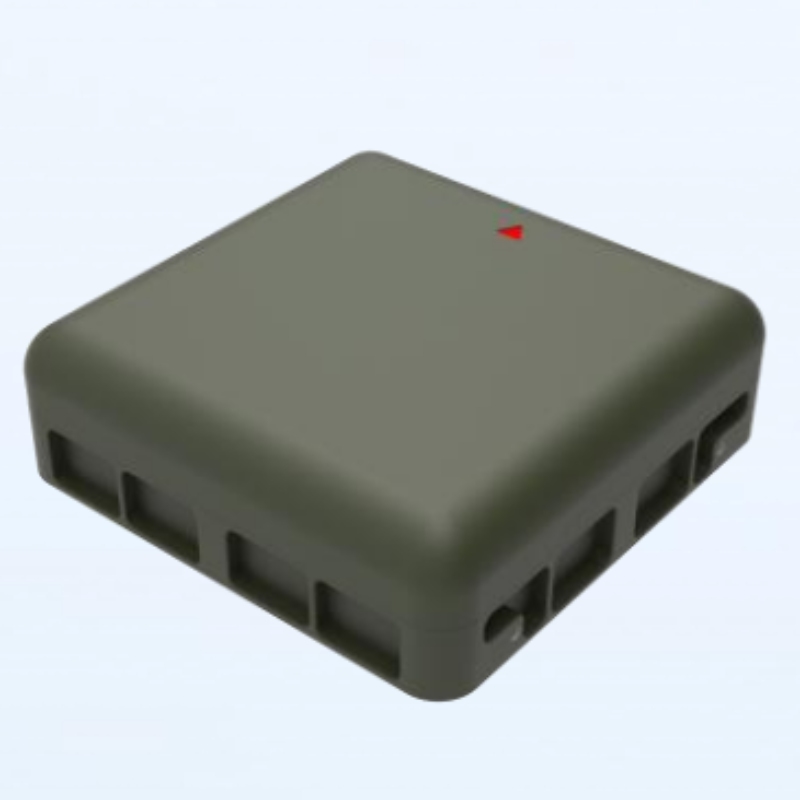
Anti-jamming antenna AJ410
Anti-jamming antenna AJ440
Radar Absorbing Agents