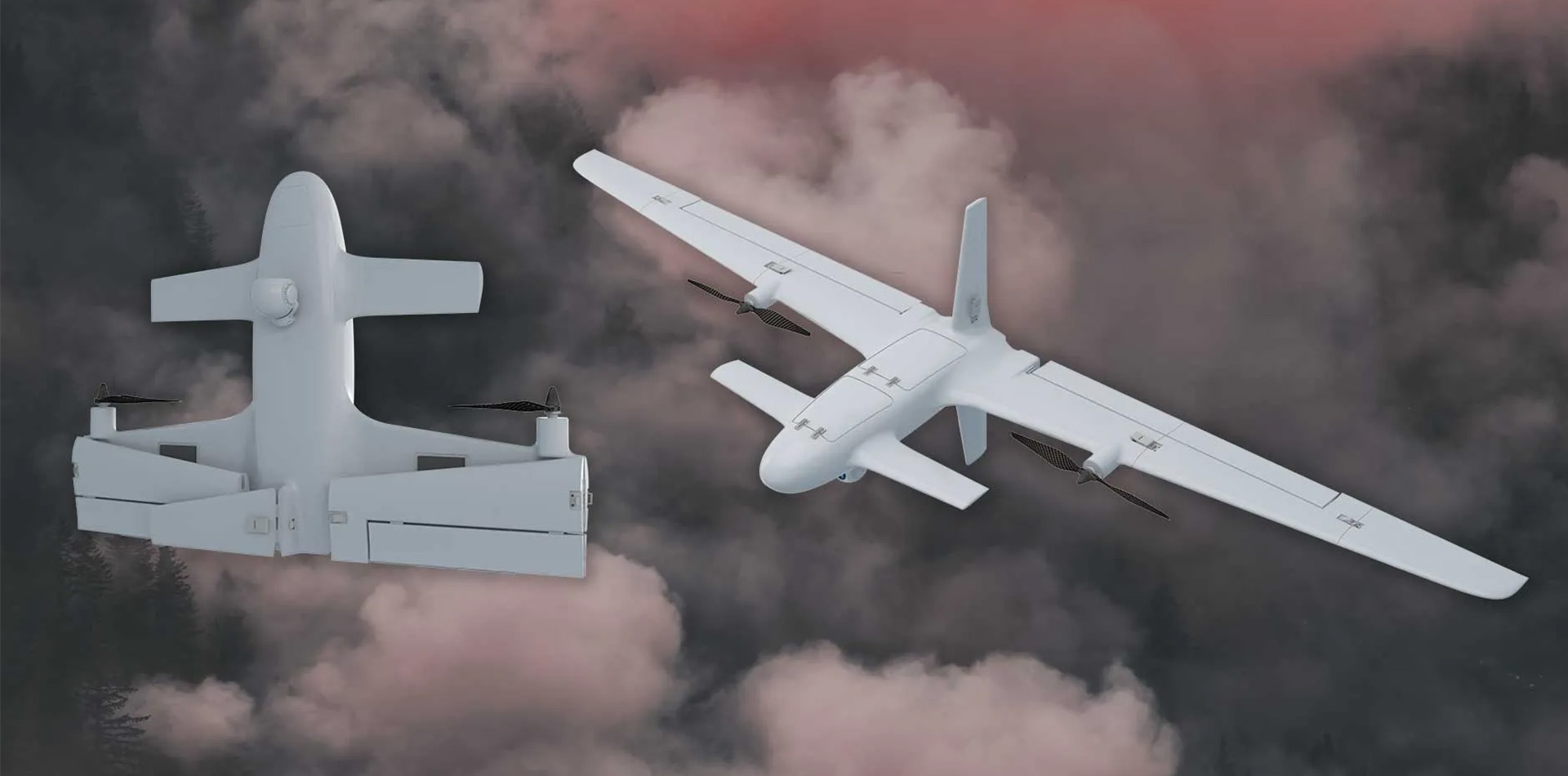

Anti-Radiation Loitering Munitions How SKYPATH Foldwing Targets Radars After Iran Bahrain Strike
 author
 - 12th March 2026
The February 28, 2026, strike on Naval Support Activity Bahrain drove home how quickly radar assets turn into targets when they start radiating. Circulating footage captured a Shahed-type drone approaching low over Manama, closing on a prominent white radome at the Fifth Fleet headquarters before the impact produced thick smoke and visible damage. Reports from Defense One, CNN, Al Jazeera, and Stars and Stripes described the event as part of Iran’s retaliatory launches following U.S.-Israeli operations against Iranian sites earlier that day. Coalition defenses intercepted many missiles and drones across Bahrain, Qatar, Kuwait, and the UAE, but the Shahed that reached the base showed the limits of layered protection against slow, low-flying one-way attack platforms. Personnel evacuations followed, with contractors and service members moved to hotels, while assessments confirmed structural hits near key facilities.
Incidents of this kind keep pushing attention toward loitering munitions fitted with anti-radiation seekers. Platforms that orbit quietly, pick up emissions passively, and commit only when the radar lights up provide a measured way to handle the vulnerabilities laid bare in Bahrain. The Foldwing Series from SKYPATH UAV incorporates this kind of guidance in a package built for real-world contested use.
Bahrain Strike Highlighted Radar Exposure in Forward Deployments
That Saturday saw Iranian forces dispatch ballistic missiles alongside Shahed drones toward multiple U.S.-hosted sites in the Gulf. While intercepts handled large numbers—including many Shahed-136 variants—the drone that breached Naval Support Activity Bahrain flew a profile that exploited gaps: low altitude, modest speed, and persistence. Video showed it nearing the Fifth Fleet area, striking what looked like a radar or communications dome, with dark plumes rising afterward. No immediate U.S. casualties surfaced in initial reporting, but damage to infrastructure prompted base closures and relocations.
Several points stand out from the event. Radars deliver critical cueing and coordination, yet transmission makes them detectable at standoff ranges for passive systems. The economic mismatch remains stark—a Shahed costs a fraction of the radar it can disable or degrade. Procurement groups now factor this asymmetry into planning, seeking assets that can preemptively quiet emitters rather than wait for hits. The Bahrain penetration, amid saturation tactics, illustrates how inexpensive drones create pressure points even in defended zones.
How Anti-Radiation Seekers Engage Radar Emitters
Anti-radiation seekers shift detection to the target’s own signals. The seeker scans passively across bands, capturing search, acquisition, or tracking emissions without broadcasting its presence. Signal parameters—pulse repetition, frequency hop patterns, waveform—feed into classification against onboard libraries.
During loiter, the munition holds position through inertial reference tied to visual terrain correlation. This fusion maintains track without satellite dependency, critical under jamming. Lock occurs when emissions match criteria, with algorithms sorting by strength and priority. Descent tightens guidance to sub-meter levels, steering toward the antenna face, shelter, or power unit.
Operational data from various conflicts confirm range advantages. Seekers often acquire at several kilometers, frequently beyond ground-based countermeasure reach. In heavy electronic environments, the absence of outgoing signals shortens warning windows for the emitter.
Foldwing Series Approach to Anti-Radiation Radar Targeting
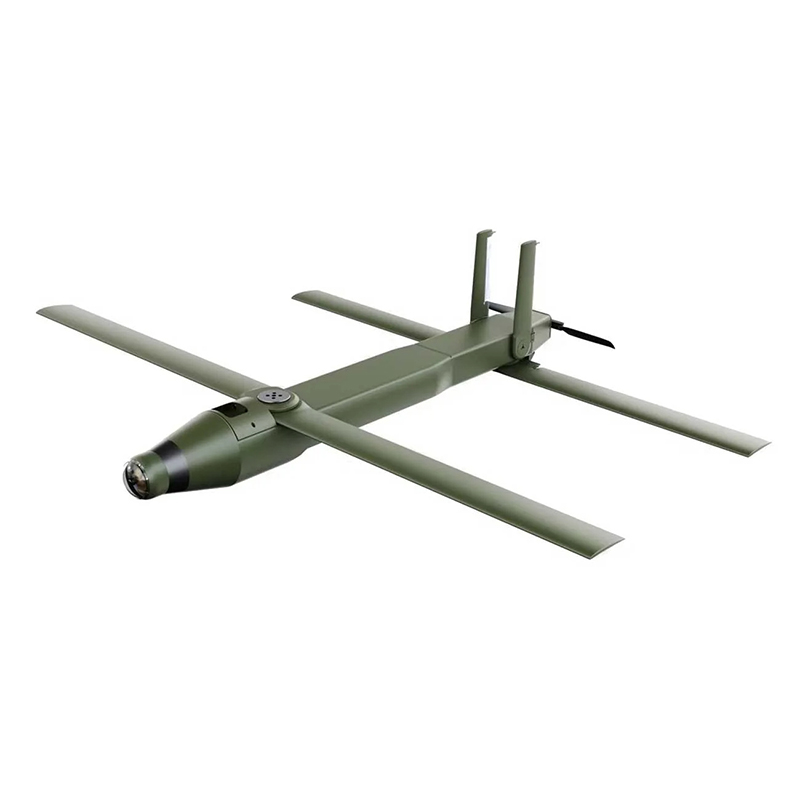
The Foldwing Series—Phantom Razor 110, 165, and 180 configurations—centers on guidance resilient to denial tactics. AESA seeker integration handles all-weather tracking and jamming, while the baseline supports radar-homing modes tailored to suppression roles.
Tandem folding wings enable compact carry and quick fielding. The Phantom Razor 110 totals 5.5 kilograms with a 2-kilogram multi-mode warhead, launching from individual tubes. The 165 variant pushes range to 100 kilometers at cruise speeds above 198 km/h; the 180 extends to 200 kilometers over 162 km/h, supporting deeper reach.
Navigation combines fiber-optic gyro inertial with visual-inertial fusion for sub-meter precision absent GPS. This sustains extended orbits over suspect sites until emissions trigger the seeker, followed by swift terminal commitment.
Warhead options adapt to target hardening. Impact mode suits direct antenna strikes, proximity covers fragment sweeps against arrays, delayed allows penetration into enclosures. The 2-kilogram charge on lighter models focuses against components, with greater scaling on heavier frames.
Launch setups fit varied forces. Bee Colony vehicle boxes reload rounds in under 30 seconds, achieving salvo readiness below 90 seconds. Fiber-optic links permit remote oversight within 100 meters in elevated-threat zones, while electric propulsion limits detectable signatures on ingress.
Engagement Examples in Radar-Heavy Networks
Envision an integrated air defense overlay protecting maneuver elements: early-warning radars feed acquisition units that cue fire-control radars. Legacy suppression leans on standoff missiles or crewed sorties, each carrying notable risk and resource demands.
Foldwing shifts the balance. A section designates an overwatch area from intel. Launch occurs, ascent follows, loiter begins. Radar activation to scan draws the seeker lock, classification confirms, and attack proceeds. Rapid dive compresses response time. Emitter silence opens lanes for follow-on elements.
Coordinated use divides labor. One munition orbits to draw emissions; others sequence strikes. Disruption cascades through the network, complicating enemy tracking. The Bahrain case echoes this: a single low-cost platform exploited focus on higher-speed threats. Persistent passive homing builds on that, adding dwell and accuracy.
Foldwing Edges Over Conventional Suppression Platforms
Dedicated anti-radiation missiles often fire on cue, risking waste if the emitter shuts down or relocates. Loitering extends observation, committing only on confirmed radiation and raising engagement success.
Portability reshapes unit capabilities. Tube-launch brings suppression to small teams or special operations without specialized vehicles. Electric drive and low signatures aid covert positioning, while AI recognition—validated above 99% in evaluations—reduces unintended effects. Override channels preserve human input on terminal phase where required.
Per-engagement economics favor persistence. One unit engaging multiple intermittent or mobile radars over time lowers overall expenditure compared to missile barrages. These considerations weigh heavily in acquisition reviews.
SKYPATH UAV: Provider of Professional Military Unmanned Systems
SKYPATH UAV furnishes full-cycle unmanned aerial and counter-UAS solutions for government, defense, and law enforcement entities. Singapore headquarters oversee operations, with manufacturing and integration spread across Southeast Asia facilities.
The staff comprises 13 PhD specialists and 21 master’s-degree engineers concentrating on AI perception, control systems, sensor integration, autonomous decision-making, precision guidance, and electronic warfare resistance. Production capacity exceeds 1,000 professional-grade units monthly, supported by controlled processes that deliver consistency to specification.
Platform strengths include extended autonomous endurance, sub-meter navigation in denied settings, AI recognition reliability over 99%, and ranges reaching 2,500 kilometers on designated models. AESA detection surpasses 5 kilometers in relevant configurations, paired with circular error probable under 0.5 meters for engagements.
Conclusion
The Bahrain event of February 28, 2026, confirmed that radar radiation invites targeting in current operations. Loitering munitions with anti-radiation seekers convert that exposure into tactical advantage, supplying sustained surveillance and accurate suppression. The Foldwing Series progresses this through durable navigation, swift deployment configurations, and flexible payloads aligned with radar engagement needs. With threats progressing, procurement specialists assessing SEAD alternatives focus on combinations of persistence, independence, and cost control that match field demands.
Frequently Asked Questions
How do anti-radiation seekers in loitering munitions detect and engage radar targets?
Anti-radiation seekers passively monitor enemy radar emissions across frequency bands, locking onto active sources without transmitting. In the Foldwing Series, this pairs with visual-inertial fusion and inertial navigation for stable positioning in jammed areas, enabling sub-meter terminal accuracy against emitting radars.
What deployment advantages does the Foldwing Series offer after incidents like the Bahrain radar strike?
Foldwing models support tube-launch for single-soldier carry on lighter variants and vehicle-mounted rapid-reload boxes for larger ones. Folding wings and quick setup—under 90 seconds readiness—make it practical for forward teams responding to radar vulnerabilities exposed in events like the Shahed penetration at Naval Support Activity Bahrain.
Which warhead modes are available in Foldwing for radar suppression?
Multi-mode warheads provide impact detonation for direct hits on antennas, proximity fusing for fragment patterns against arrays, and delayed action for penetrating shelters. The 2-kilogram payload on Phantom Razor 110 models focuses energy effectively against radar components, with scaling on 165 and 180 variants.
Why choose Foldwing loitering munitions over standard anti-radiation missiles for SEAD operations?
Foldwing extends loiter duration to wait for radar activation, reducing early commitment risks. Tube portability, anti-jamming navigation, and lower engagement costs suit distributed, high-intensity missions, particularly when recent events highlight needs for persistent and economical radar suppression.
How does Foldwing maintain accuracy when targeting radars in GPS-denied conditions?
Fiber-optic gyroscopes combined with visual-inertial fusion deliver sub-meter navigation precision. This allows reliable orbits and dives on detected emissions, even under heavy electronic countermeasures, supporting consistent performance in contested electromagnetic environments.

Main Products
Our Main Products
At SkyPath we develop cutting-edge drones for every situation. Please browse our products.
Contact Us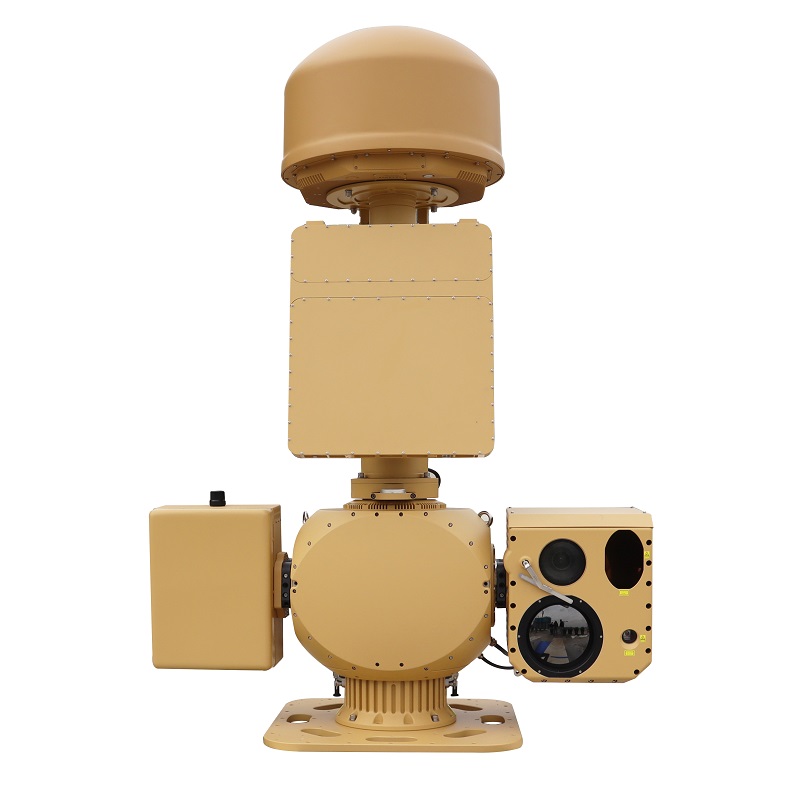
AUS70 Heavy-Duty Integrated C-UAS System
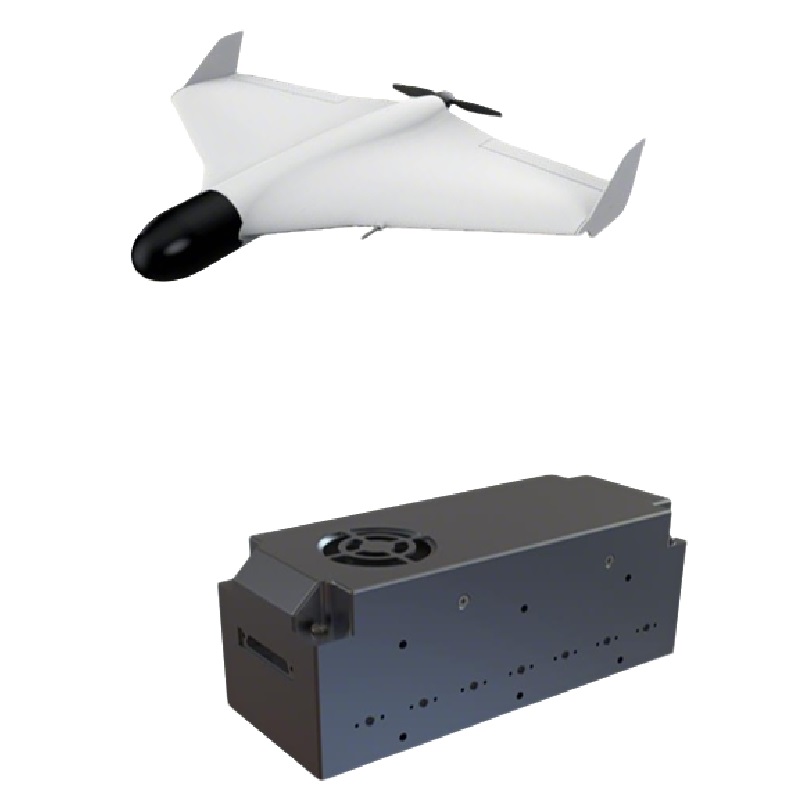
Anti-Drone Jammer Seeker
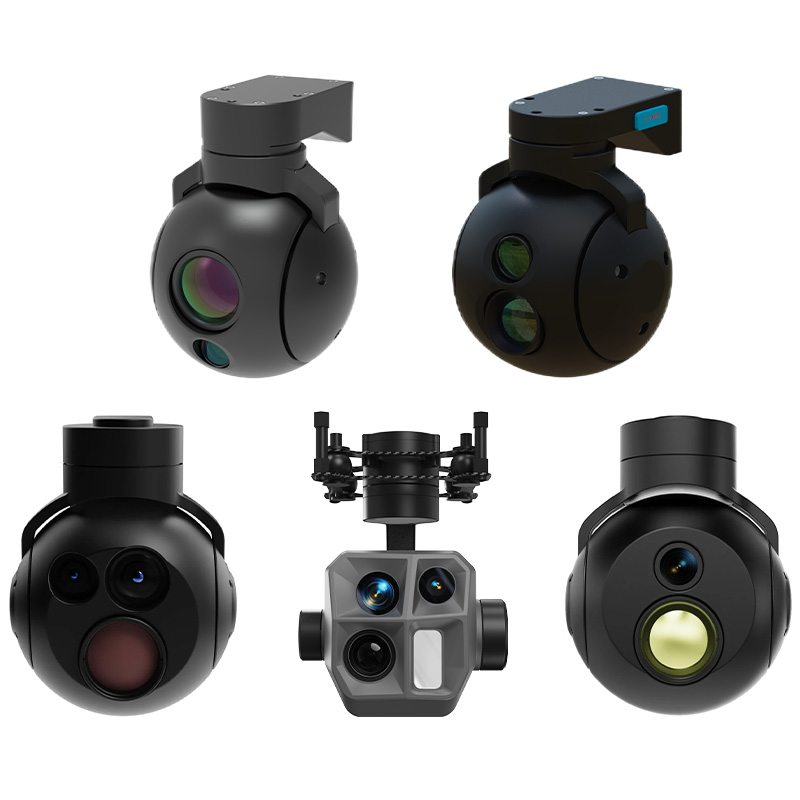
AD SERIES
Anti-jamming antenna AJ410
Anti-jamming antenna AJ440
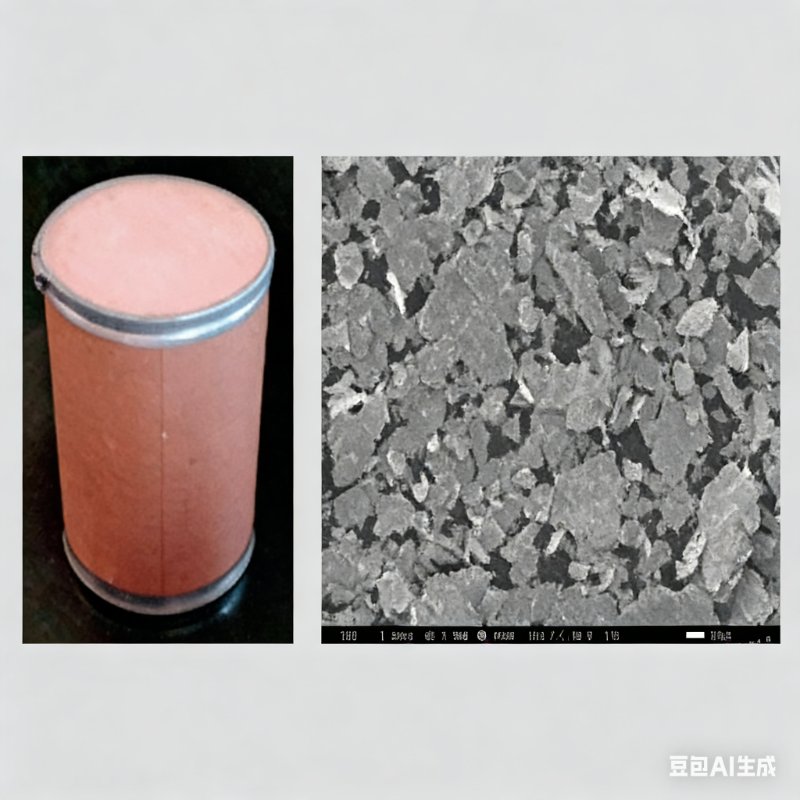
Radar Absorbing Agents