Closed-loop mediumshort-range air defense analysis of the integrated architecture of early warning, fire control and strike subsystems
 author
 - 26th March 2026
In a closed-loop medium/short-range air defense system, early warning acts as the base for every next step in handling threats. The linked defense setup depends on stacked levels of sensing and communication tools. These tools make certain of quick spotting and reaction inside a 10 km area. Radar systems stand as the front barrier. They keep checking for flying dangers at low heights, like UAVs, helicopters, and ground-based aims. These radar parts use active electronically scanned arrays (AESA) or pulse-Doppler methods. They spot and follow many targets at the same time. This works even in busy settings. Their skill in finding objects with small radar cross-section (RCS) plays a big part in today’s anti-UAV system designs. Without this, small threats could slip by unnoticed.
Helping the radar spotting are networks of sensors. They include electro-optical, infrared, and acoustic types. These sensors gather and check data right as it happens. Such groups of sensors build a better grasp of what’s going on around. They blend data flows into one clear view of dangers. By using strong signal handling steps, false warnings go down. At the same time, the correctness of spotting goes up. This holds true in bad weather or when dealing with electronic blocks. In addition, these sensors can work together to cover blind spots that radar might miss. This team effort makes the whole system more reliable day and night.
Communication connections build the binding part of the early warning area. Fast digital data paths send target positions and type info to fire control spots. They do this with very little delay. This smooth passing of data makes sure that when a threat appears within 10 km, its path and purpose get checked almost right away. The fire control area takes care of this. This kind of linking changes single sensors into a smart web. It can predict dangers and give early hints for action. Moreover, these links often have backups. They step in if the main ones fail. This adds extra safety to the network. Teams can trust it in high-stakes moments.
What Are the Key Functions of Fire Control in a Closed-loop Defense System?
Fire control serves as the main center for choices. It sits in the closed-loop link that joins early warning finds to strike carries. It pulls together data coming in from sensors. Then, it does threat checks and sets priorities in real time. It uses built steps that weigh things like target speed, height, path coming in, and chance of damage. This auto check lets workers pay attention to top items or dangers that are near first. They avoid wasting time on small issues.
The process of making choices goes further into giving out fire and picking times for action. Fire control looks at figured threat ranks. From there, it hands jobs to ready blockers or energy tools that aim. It also plans the best way to use ammo over several starters. This keeps replies balanced. It stops supplies from running out during heavy hits. On top of that, it thinks about how many threats come at once. This smart spread helps in long fights.
Linking with strike areas allows for team replies. This happens through steady feedback rounds. Once action starts, fire control watches blocker paths. It uses signal updates to do so. It also changes guide orders as needed. The aim is to raise the chance of a hit. In the end, it seals the work round from spot, choice, to end. This makes a guard that fixes its own issues. It matches the style of current linked defense systems. Such traits make it fit for real-world use. Operators train on it to handle various scenes.
How Does the Strike Subsystem Execute Target Interception?
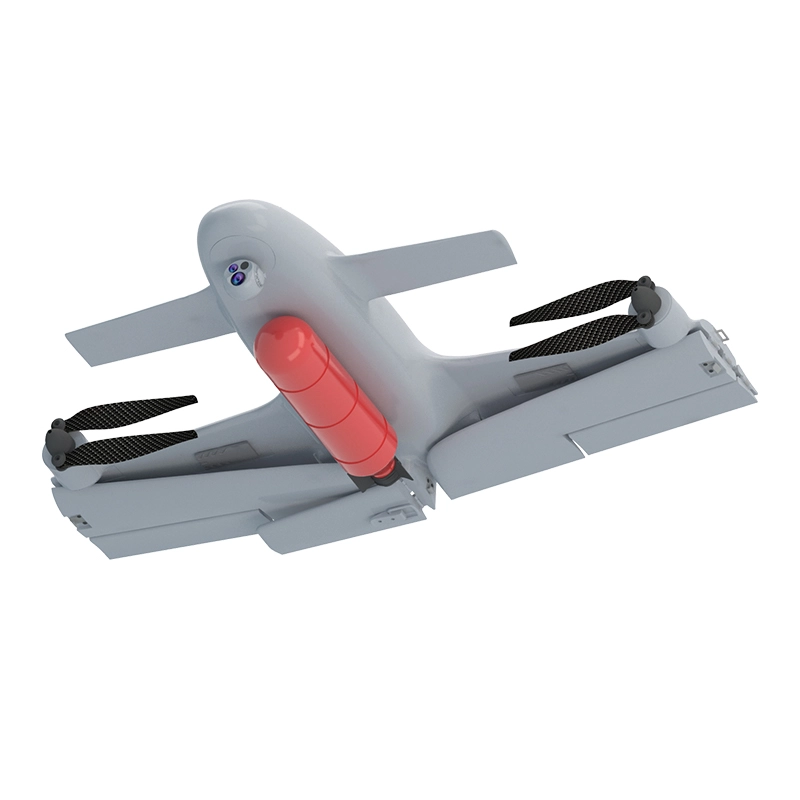
The strike area turns battle choices into actions using force or no force. It goes after enemy targets inside a 10 km space. It picks ammo based on job needs. These picks fit certain kinds of targets. For example, burst missiles tackle UAV groups. Rounds with near fuses deal with helicopters. Guided shots with care handle surface dangers. Each type suits the job well.
Guide systems hold a key spot in making sure of exact hits. Semi-active radar homing (SARH), infrared seekers, or command-to-line-of-sight (CLOS) guide ways keep the hold firm. They manage this even with electronic mix-ins. In fights at close range, light following pairs with inner path systems. This makes the final guide work better. It leads to stronger outcomes in short bursts.
Feedback rounds finish the strike turn. They send back info after the action to fire control spots. These rounds check key points of job success. They cover odds of impact and threat left. Data from each block adds to steps that learn and change. These steps make aim plans better for later. This lifts the whole system’s work through repeated fixes. Over time, it gets more sharp and saves effort. Teams see fewer misses as it grows.
What Are the Differences Between Regional Defense and Focused Directional Defense?
Regional defense puts focus on covering large areas. It places radar points and starter units spread out over many parts. This setup gives guard in all directions. It stands against spread or hard-to-guess breaks, like UAV group hits. Its strong point is in having extras. If one point gets hit or blocked, the others keep the watch steady. This means no gaps in coverage. It works great for open lands with many risks.
Focused directional defense gathers tools along main lines. These lines include spots like airfields, command hubs, or paths for key structures. It sets sensors and arms toward expected danger ways. This brings more blocks in one spot and quicker replies in set fight areas. It shines when threats point one way. Resources go where needed most.
Battle picks between these setups rely on work goals. Regional ones like steady block over big areas. Directional ones do well at keeping safe high-worth items in focused hit cases. Mixed places often mix both ways. They even out bend with guard strength. Many groups choose based on the site and likely dangers. This keeps options open.
How Does Skypath Contribute as a Missile Patrol Supplier?
Skypath takes a vital part in pushing missile patrol skills ahead. It draws on its know-how in linked defense answers made for medium/short-range uses. The company’s line-up holds radar-guided interceptors, starter bases that fit modules, and forward fire control systems. These build for working across nets of joined forces. Skypath also gives custom fits. They match what users need in their spots.
As a missile patrol provider, Skypath lifts linked defense setups. It makes easy team work among early warning sensors, order parts, and strike tools. Its systems back growing setups that fit both wide regional watch and aimed directional ones. This makes sure they adjust to many work places. From rough fields to busy zones, they hold strong. Skypath tests them in real spots. This checks how they team up.
With steady new work in anti-UAV system design and self-action rules, Skypath adds a lot. It helps raise closed-loop quick replies and trust in hard fight spots. They train users too. This builds skill in the field. Their supply line keeps parts on hand. It cuts waits for repairs. In all, Skypath helps make tougher guards around the world. Clients value the support. It goes beyond just gear.
Conclusion
The closed-loop medium/short-range air defense framework shows how linking across early warning, fire control, and strike sections builds a smart guard world. It runs quick on its own in fight areas. By joining spot care with choice quickness and hit rightness under one solid setup, these systems hit steady block work against air dangers that shift. They keep work bend through set regional or directional place ways backed by forward providers like Skypath. This style fits many uses. For edge watches, it stops bad entries. In camps, it shields tools and folks. Skypath adds more than parts. They give setup tips. They update code for new risks too. Groups using it see less stops. All told, the frame gives a firm ground for safety in rough times. It grows with new tech. This keeps users one step ahead of harms. In the end, it sets a high bar for defense needs.
FAQs on Closed-loop Medium/Short-range Air Defense Systems
What is the primary mission of these defense systems?
The primary mission is intercepting UAVs, helicopters, and ground targets operating within a 10 km range using coordinated subsystems that ensure fast reaction time and high kill probability. These setups guard key spots from quick dangers. They act with speed and right aim. In practice, they save lives and gear.
How do early warning systems integrate with fire control?
Integration occurs through secure data relay channels that allow rapid transmission of sensor information from detection units to fire control processors. This enables immediate threat evaluation followed by automated engagement decisions without human delay. The tie speeds the path from find to move. It cuts risks down fast.
What are the benefits of using a closed-loop architecture?
Closed-loop architectures improve coordination among subsystems—early warning feeds directly into fire control decisions which then trigger precise strike responses based on continuous feedback analysis—resulting in efficient threat neutralization with minimal resource expenditure. They link parts well. This saves time and costs. Teams run smoother with less waste.

Main Products
Our Main Products
At SkyPath we develop cutting-edge drones for every situation. Please browse our products.
Contact Us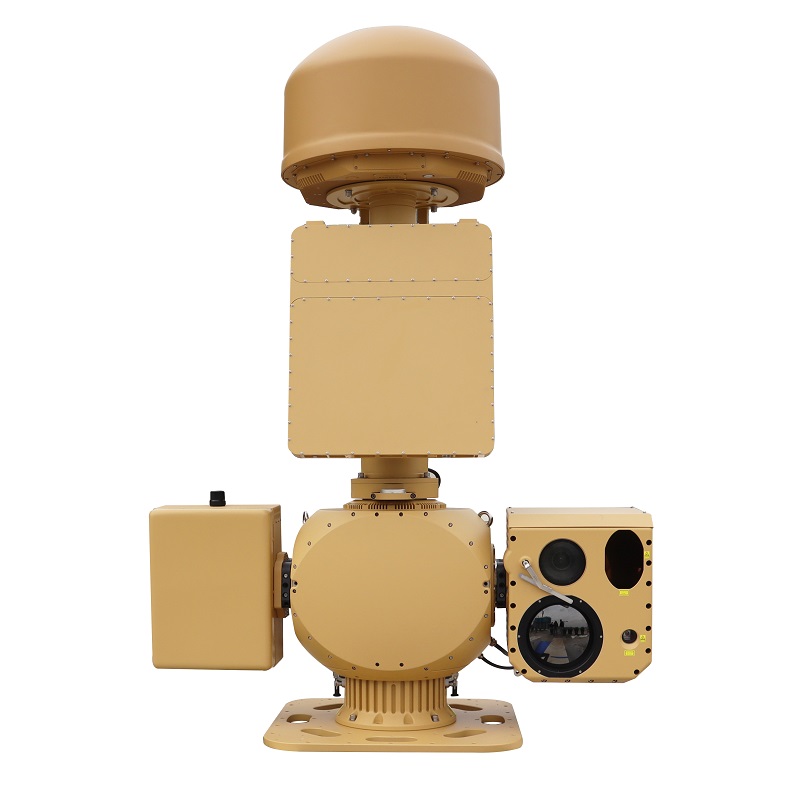
AUS70 Heavy-Duty Integrated C-UAS System
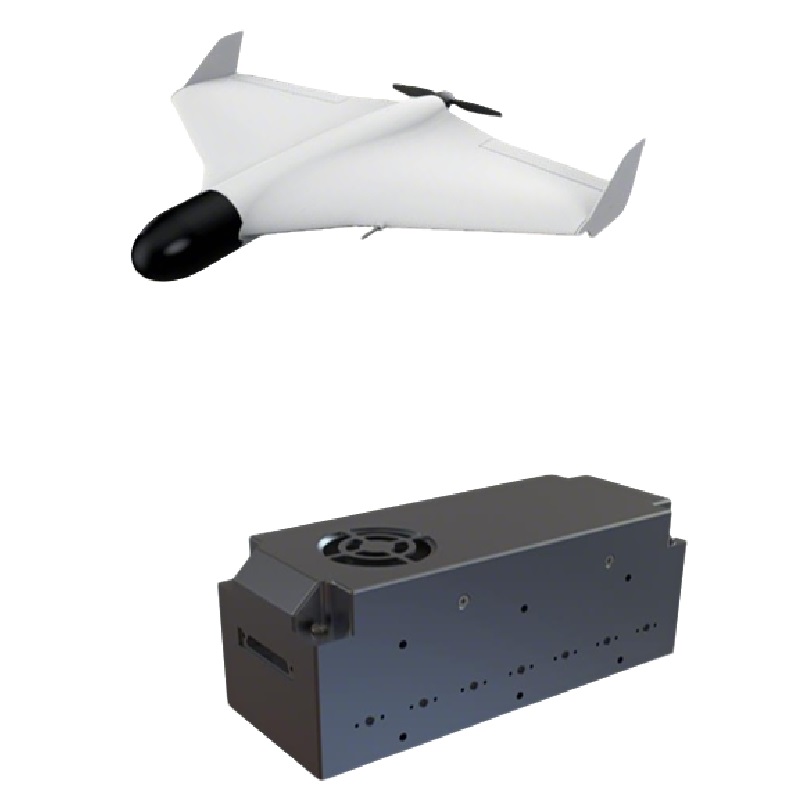
Anti-Drone Jammer Seeker
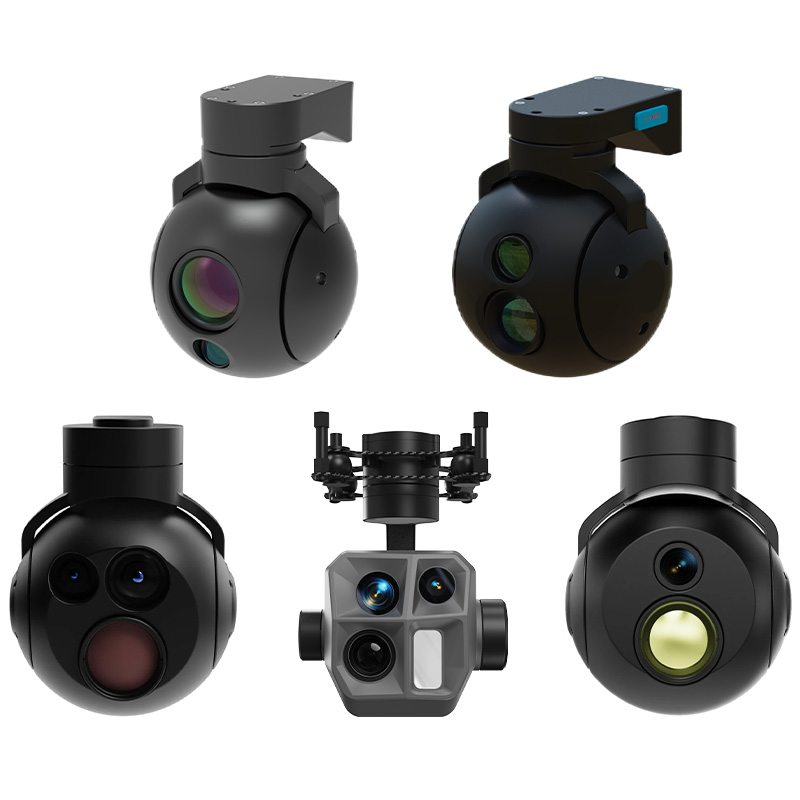
AD SERIES
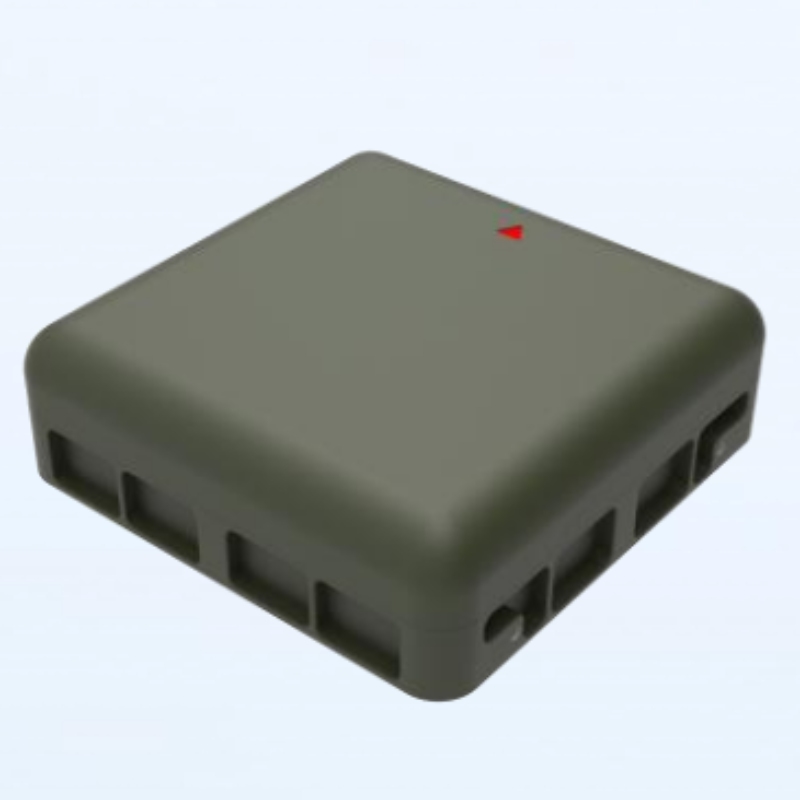
Anti-jamming antenna AJ410
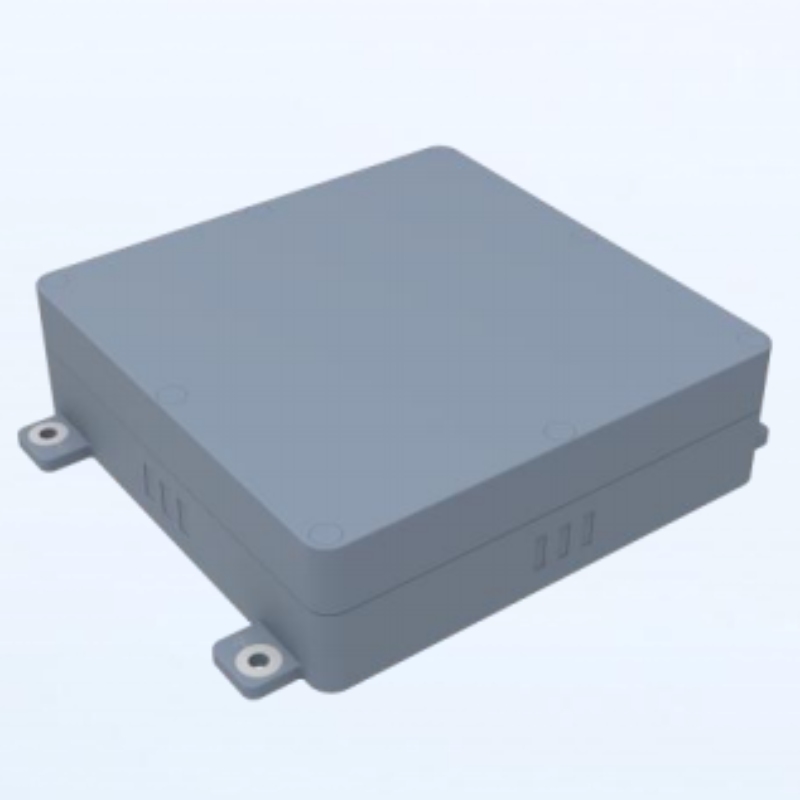
Anti-jamming antenna AJ440

Radar Absorbing Agents