Defending Against Iran Shahed Drone Swarms in 2026: How SkyPath’s Electric Interceptor Closes the Air-Defense Gap in the US-Iran Conflict
 author
 - 19th March 2026
Teams watching Gulf airspace operations in early 2026 have tracked the Iran Shahed drone defense 2026 challenge intensifying almost daily. Over 2,100 Shahed-136 airframes have crossed into allied zones since late February, with new waves reaching targets ranging from Bahrain naval installations to UAE port infrastructure. Even after precision strikes on production nodes, dispersed facilities maintain output in the hundreds per week. The fundamental imbalance persists: each inexpensive drone compels defenders to expend interceptors costing millions, and the cycle repeats until munitions stocks or funding begin to constrain response options.
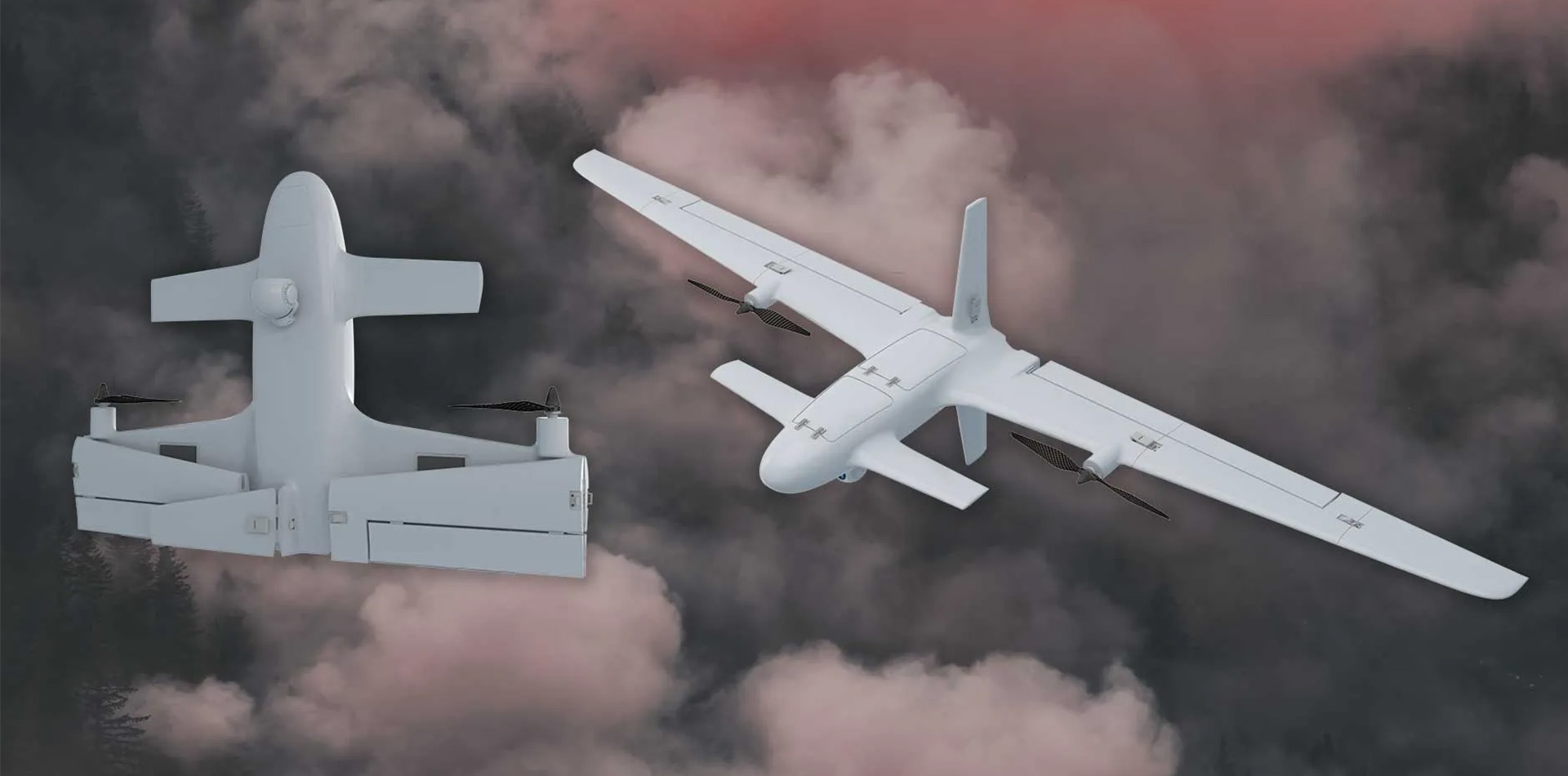
Electronic warfare achieves solid results against many incoming platforms, but variants with sufficient onboard autonomy or anti-jamming hardening continue to reach their objectives. When suppression no longer suffices, physical destruction becomes the remaining effective measure. SkyPath engineered its Electric-Powered Interceptor—frequently referred to as the rocket-shaped kinetic counter-UAS platform—precisely for those engagements. Vertical containerized launch, electric ducted fan drive, AI-assisted infrared target lock, fused multi-sensor detection, and a proximity-fuzed directed fragmentation warhead together provide an economical, on-call kinetic solution against mid-altitude loitering munitions up to 5,000 meters.
The Persistent Threat: Shahed Swarms in the Current Conflict
Iranian drone activity in 2026 follows a well-established pattern. Manufacturing remains distributed across hardened and mobile sites, allowing steady replenishment despite periodic targeting. Open-source analysis and regional reporting place existing stockpiles in the thousands, with weekly additions measured in the hundreds. Production cost estimates remain in the low tens of thousands of dollars per unit, while each launch forces defensive systems to commit resources orders of magnitude more expensive.
The February 28 engagement at Naval Support Activity Bahrain illustrated the recurring dynamic. Interceptors neutralized the majority of the salvo, yet a single breakthrough damaged a primary radar installation and interrupted communications for several hours. Comparable events have occurred at UAE facilities: low, slow drones powered by distinctive piston engines exploit radar blind spots and electronic countermeasures limitations. Saturation remains viable because every track must be addressed, and the cost disparity consistently favors the launching side.
Why Traditional Layers Struggle Against Hardened Shahed Variants
Electronic countermeasures produce high engagement probabilities against platforms dependent on satellite navigation. Jamming or spoofing typically causes drift or mission abort in those cases. Variants equipped with inertial navigation, visual terrain correlation, or fully autonomous pre-programmed routes, however, maintain course even under heavy denial. Data collected from contested environments indicate that up to 78 percent of commercial drone operations fail in intense jamming zones, whereas military loitering munitions engineered for degraded conditions show markedly higher completion rates.
High-end surface-to-air systems encounter their own limitations during prolonged campaigns. Each intercept consumes missiles valued in the millions, while the incoming threat costs a small fraction of that amount. Replenishment cycles cannot always match expenditure when threats arrive in volume. The shortfall becomes most pronounced at mid-altitudes, where radar detection range shortens and electronic warfare effectiveness decreases. Procurement specialists now seek an affordable kinetic layer capable of bridging the space between electronic suppression and conventional air-defense missiles.
Introducing SkyPath’s Electric Interceptor: Core Specifications
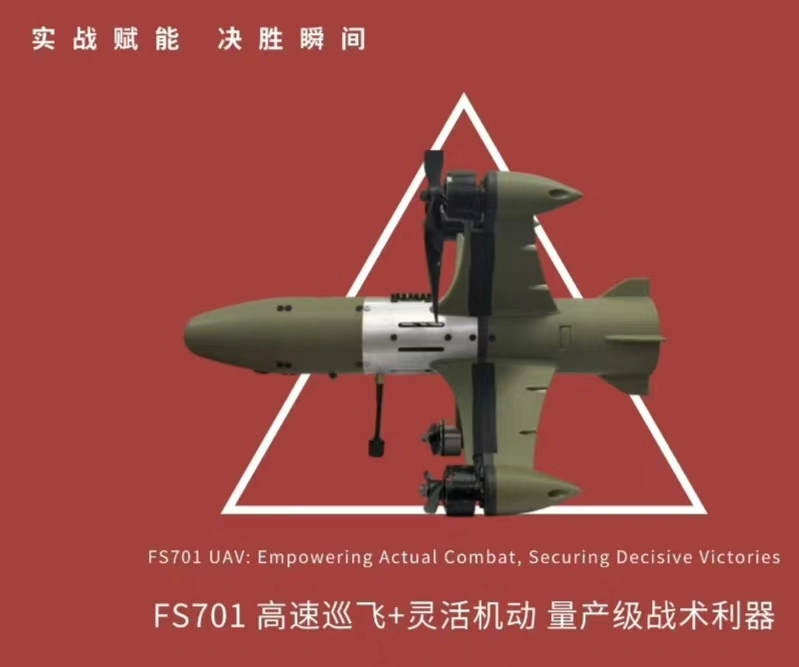
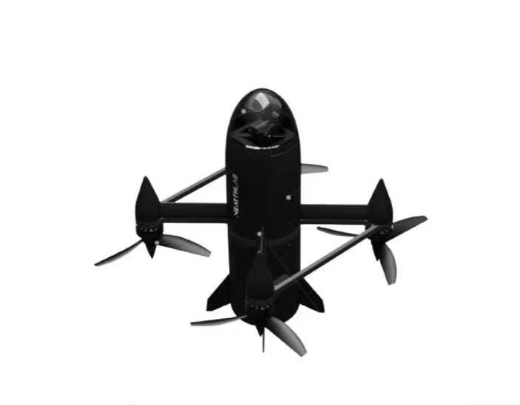
The SkyPath Electric Interceptor features an aerodynamically refined rocket-shaped body combined with four-fin stabilization. Electric ducted fan propulsion enables quiet acceleration and rapid climb to engagement altitudes up to 5,000 meters. Operational radius extends to 30 kilometers, with loiter duration reaching 12 minutes at cruise. Terminal interception speed achieves 250 kilometers per hour.
Launch occurs vertically from protected containerized tubes, permitting on-demand activation with limited operator involvement. The warhead delivers directed blast fragmentation in a non-incendiary configuration, controlling effect while reducing collateral exposure. Acoustic and visual signatures remain minimal throughout the flight profile. The platform functions reliably in GNSS-denied airspace through integrated sensor fusion and onboard AI guidance.
Compact dimensions facilitate mobile employment. The rocket profile fits standard launch containers, and the ducted fan configuration keeps noise levels below thresholds that trigger distant acoustic detection arrays. These attributes suit layered defense at forward operating bases, naval platforms, or fixed critical infrastructure locations.
Key Technologies Driving Effective Shahed Interception
Acoustic Detection as the First Line of Awareness
Shahed airframes depend on small piston engines that generate a characteristic two-stroke acoustic signature detectable at extended range. Purpose-built sound detectors capture that footprint well before visual or radar contact establishes. During nighttime Gulf operations, acoustic cueing has enabled interceptors to launch while threats remained outside primary radar engagement envelopes. Passive acoustic monitoring paired with rapid handoff to the interceptor shortens overall reaction time, particularly under low-visibility conditions.
Multi-Sensor Fusion for Reliable Tracking
The interceptor combines visible-light imaging, long-wave infrared, and compact radar into a unified detection pipeline. Visible and infrared channels provide day-night and adverse-weather tracking capability, while radar maintains lock through electronic clutter. Real-time fusion algorithms balance sensor inputs, generating stable target tracks even when individual channels experience degradation. In littoral or urban settings—environments frequently encountered in the current conflict—this multi-modal approach sustains performance where single-sensor systems degrade rapidly.
AI-Driven Infrared Target Lock for Autonomous Pursuit
Onboard artificial intelligence analyzes infrared signatures to classify and acquire Shahed-class threats. The algorithm fuses radar and electro-optical data, then directs the platform through pursuit and terminal phases with minimal human oversight. After lock confirmation, the interceptor executes autonomous closure. This level of autonomy reduces crew workload during multi-track engagements, a situation already observed in recent Gulf operations.
Proximity Fuze and Directed Blast for Clean Kinetic Kills
The electronics proximity fuze activates at the calculated optimal standoff, releasing a shaped fragmentation pattern oriented toward the target. Non-incendiary construction limits secondary fire hazards. Field experience shows this method achieves high destruction probability against mid-altitude drones while constraining unintended effects—a priority when protecting populated zones or sensitive assets. Compared with omnidirectional blast-fragmentation designs, the directed pattern improves kill efficiency and reduces collateral footprint.
Deployment Realities and Cost Advantages
Containerized launchers install on wheeled platforms, vessels, or static emplacements. Each tube carries multiple interceptors prepared for immediate vertical release upon command. Activation requires only basic cueing from the fusion suite—no elaborate radar handover necessary. In GNSS-denied conditions the system defaults to inertial and visual navigation, preserving operational viability.
Cost remains the overriding advantage. A single interceptor expends significantly less budget than a conventional surface-to-air missile. Forces facing repeated saturation attacks can maintain defensive posture longer without depleting high-value munitions reserves. The subdued acoustic and visual profile further lowers the probability of launcher detection during nighttime or low-visibility operations.
Production and Field Sustainment
SkyPath sustains manufacturing and integration capacity across Southeast Asia with emphasis on repeatable defense-standard processes. The engineering staff—13 doctoral specialists and 21 master’s-level engineers—oversees sensor fusion, autonomous guidance, and counter-unmanned aircraft technologies internally. Monthly throughput exceeds 1,000 professional-grade platforms, backed by supply chains that adhere to rigorous quality controls.
Sustainment follows a field-centric model. Battery management units, diagnostic interfaces, and launch-tube calibration tools ship as standard equipment. Training prioritizes mission planning over detailed piloting skills, given that core autonomy handles the majority of flight control. The structure accommodates organizations requiring swift fielding and continuous operations in remote or contested areas.
Strategic Value in the 2026 Conflict Environment
Effective layered defense emerges when electronic countermeasures integrate with economical kinetic interceptors. Commanders direct interceptors against threats that penetrate jamming, conserving longer-range or higher-priority missiles for appropriate targets. Overall defensive attrition decreases, while the expenditure curve shifts toward sustainability.
Procurement teams managing existing counter-UAS portfolios will recognize immediate benefits. Current sensor networks supply targeting data with limited modification. Modular launch hardware scales according to threat density without demanding new infrastructure. During extended campaigns, the capacity to conduct repeated kinetic engagements without accelerated budget depletion constitutes a meaningful operational advantage.
About SkyPath
SkyPath UAV maintains headquarters in Singapore with production and integration facilities distributed across Southeast Asia. The company employs a dedicated team comprising 13 doctoral-level experts and 21 master’s-degree engineers specializing in artificial intelligence perception, sensor fusion, autonomous navigation, and counter-unmanned aircraft systems. Monthly production capacity surpasses 1,000 professional-grade platforms, manufactured under controlled processes that meet defense-industry quality requirements.
The organization focuses on delivering dependable performance in contested environments. Every platform incorporates validated autonomy and countermeasures to support border protection, counter-drone missions, and critical infrastructure defense. Complete ownership of design, production, and testing processes enables consistent quality standards and adaptable configurations for government and defense clients worldwide.
Conclusion
Iran Shahed drone defense 2026 requires capabilities beyond electronic countermeasures alone. Platforms with sufficient hardening continue to penetrate when jamming proves insufficient, compelling defenders to rely on physical neutralization. The SkyPath Electric Interceptor addresses that specific need through a low-cost, on-demand kinetic option. Acoustic cueing, multi-sensor fusion, AI-directed lock, and proximity-fuzed directed fragmentation together enable consistent intercepts against mid-altitude threats.
Organizations assessing layered counter-UAS architectures now possess a realistic solution that preserves expensive assets while preserving affordability. The technical specifications, deployment approach, and manufacturing ecosystem correspond directly to the operational conditions observed in the present conflict and to those projected for future engagements.
Procurement teams exploring integration of this interceptor into current defense frameworks may contact SkyPath through the website for detailed technical data, demonstration arrangements, or tailored configuration discussions.
FAQs
How do you stop Shahed drones when electronic jamming stops working in 2026?
When hardened Shahed variants evade electronic suppression, a kinetic interceptor equipped with proximity fuze and directed blast fragmentation provides reliable physical destruction at mid-altitudes up to 5,000 meters.
What sensors detect incoming Shahed swarms during night operations or poor visibility?
The SkyPath Electric Interceptor relies on fused visible-light, infrared, radar detection, and acoustic signature recognition to sustain accurate tracking in low-light, adverse weather, and GNSS-denied conditions.
How does the proximity fuze on the SkyPath interceptor improve destruction of loitering munitions?
The electronics proximity fuze detonates a shaped fragmentation pattern at the calculated best standoff distance, maximizing target damage while significantly reducing collateral effects compared with traditional warheads.
Why select an electric ducted fan interceptor for Shahed defense instead of conventional missiles?
Electric propulsion offers silent ascent, rapid climb, and minimal acoustic signature at a much lower cost per engagement than high-end surface-to-air missiles, making it viable for high-volume saturation scenarios.
How long does the SkyPath Electric Interceptor remain available to engage a Shahed-class threat?
Loiter duration reaches up to 12 minutes within a 30-kilometer operational radius, allowing adequate time for detection, pursuit, and terminal intercept against mid-altitude targets.

Main Products
Our Main Products
At SkyPath we develop cutting-edge drones for every situation. Please browse our products.
Contact Us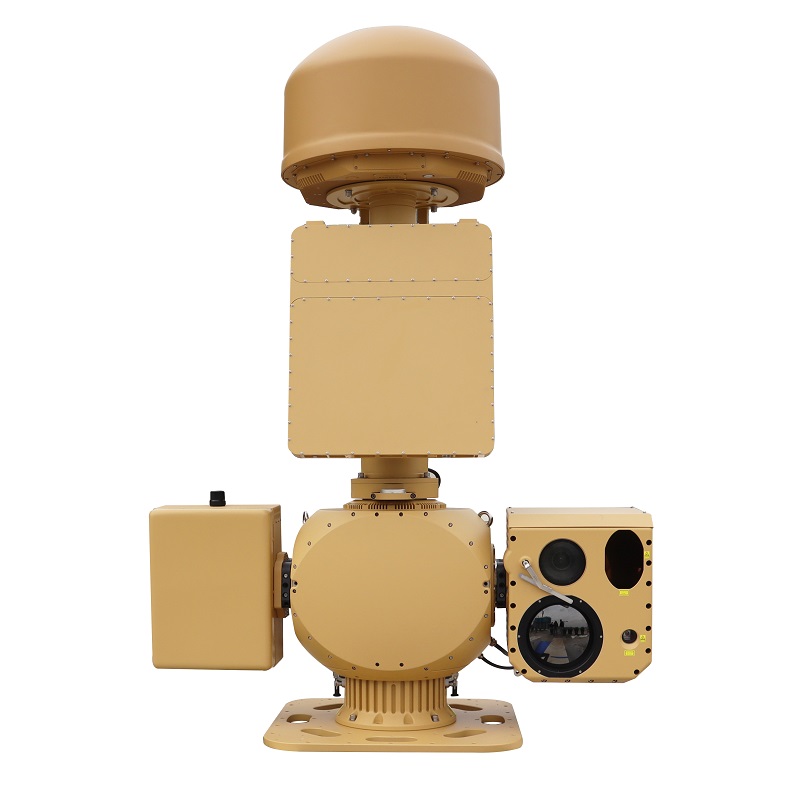
AUS70 Heavy-Duty Integrated C-UAS System
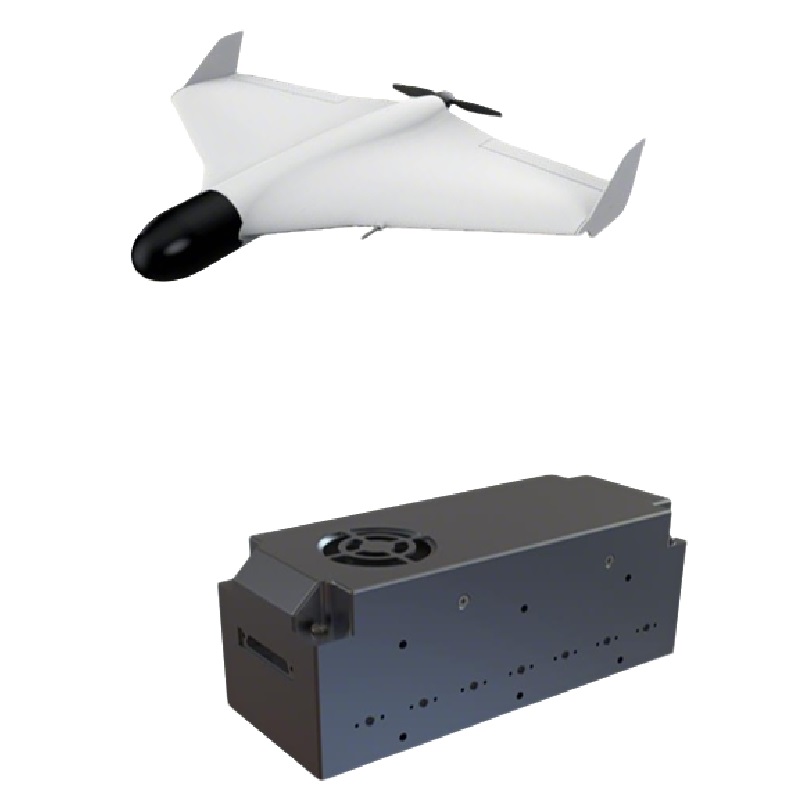
Anti-Drone Jammer Seeker
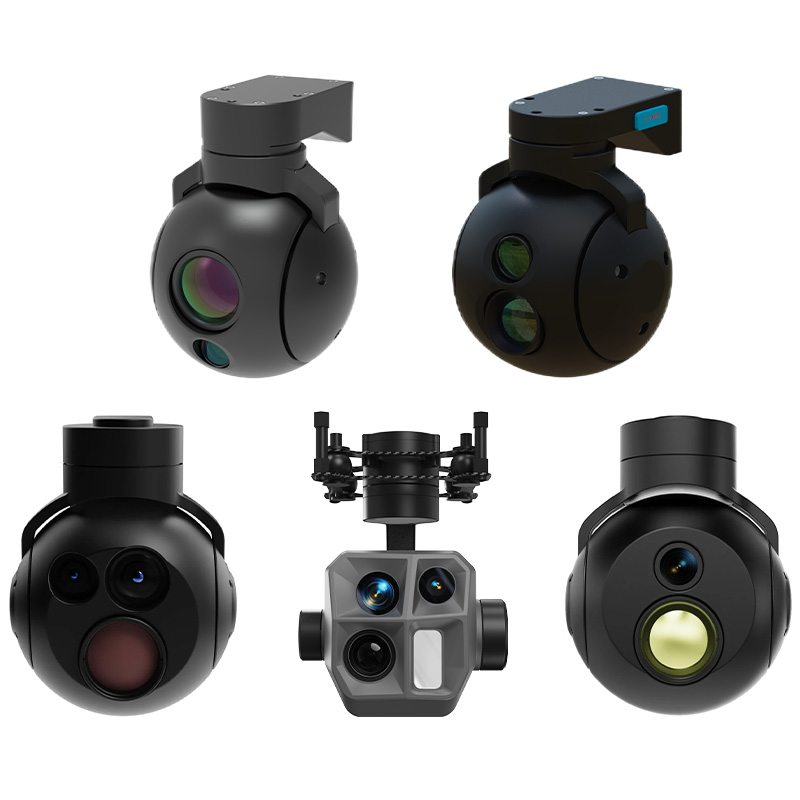
AD SERIES
Anti-jamming antenna AJ410
Anti-jamming antenna AJ440
Radar Absorbing Agents