From Ukraine to the US Why AI Autonomy and Net-Based Counter-UAS Are the 2026 Game-Changers
 author
 - 5th March 2026
The battlefield lessons from Ukraine have reshaped expectations for drone warfare, where inexpensive platforms routinely overwhelm traditional defenses and force rapid adaptations under constant electronic pressure. Those frontline realities now inform U.S. priorities, particularly as planners prepare for environments saturated with fast-moving, low-signature threats. As 2026 unfolds, AI autonomy in unmanned aerial systems combined with net-based counter-UAS methods emerge as the most consequential shifts. They tackle persistent challenges: keeping platforms functional when positioning signals disappear and defeating intruders with controlled, minimal side effects—exactly the problems Ukrainian teams solved through necessity and that American forces now address for base security, critical infrastructure, and contested domains.
Ukraine’s extended fight revealed how drone volumes and agility can outpace legacy systems. Initial dependence on commercial models quickly gave way to more durable designs engineered for deep reconnaissance, targeted strikes, and resistance to jamming. The change stemmed from operators facing unsustainable workloads—juggling feeds, evading threats, recalculating routes—so onboard systems assumed control of navigation, obstacle avoidance, and basic targeting. Inertial sensors merged with visual references to hold course; pattern recognition locked onto targets; final guidance achieved meter-level accuracy. Success rates rose because the platforms endured interference that severed manual connections.
Those field-driven changes directly influence U.S. initiatives. The Department of Defense advances through programs like Replicator, focusing on affordable, quickly fieldable autonomous assets produced at scale. Net-based counter-UAS complements this direction: interceptor drones deploy expanding nets to envelop targets, disable propulsion, and manage descent—either tethered for small threats or parachuted for larger ones. The technique eliminates explosive remnants, a critical factor when engagements occur near civilians, sensitive equipment, or allied positions.
Frontline Realities in Ukraine Accelerating Autonomous System Development
Ukraine turned drone operations into a high-stakes laboratory. Off-the-shelf quadcopters evolved into extended-range platforms hardened for electronic warfare, long-endurance ISR, and precision effects. Jamming saturated the battlespace, prompting integration of inertial navigation with vision-based corrections—cameras identifying ground features, aligning them to pre-loaded maps, maintaining flight paths despite lost satellite links.
Autonomy bridged the human limitations. Operators battled exhaustion and cognitive overload in fluid engagements, so AI managed low-level tasks: following terrain contours, dodging obstacles, acquiring initial targets. Thermal detection extended to previously marginal ranges; deep learning distinguished decoys from genuine threats; terminal homing tightened dramatically. Engagement effectiveness increased markedly because systems continued functioning through disruptions that would cripple remote control.
The pattern aligns with U.S. trajectories. Demonstrations across services of networked autonomous platforms reflect the same emphasis on reducing operator dependency. In denied communications scenarios, independent decision loops preserve mission progress. Ukraine confirmed that rugged airframes paired with intelligent processing yield platforms capable of sustained performance in genuine contests.
How AI Autonomy Shifts Counter-UAS Toward Proactive, Resilient Engagement
Conventional counter-UAS relied on operator loops—detect, identify, decide, act—creating vulnerabilities against rapid or massed threats. AI autonomy changes the dynamic.
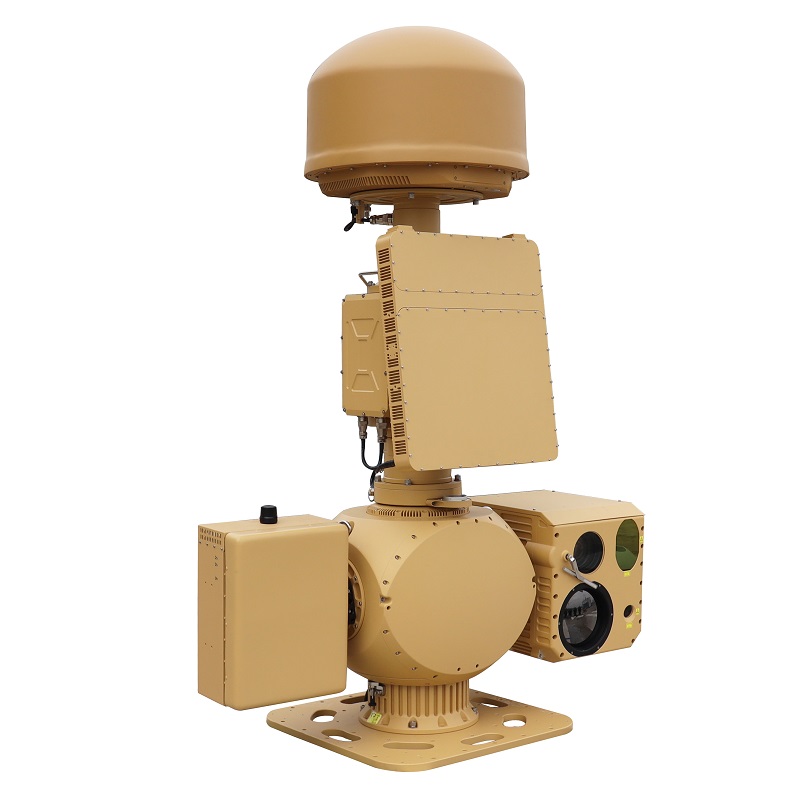
Contemporary systems integrate radar tracks with electro-optical and infrared data to generate reliable classifications without continuous human input. Algorithms evaluate flight characteristics, dimensions, and behavior to predict trajectories and select intercept solutions in real time. Under jamming, vision-inertial combinations sustain positioning; machine learning refines responses to novel maneuvers or spoofing attempts.
Ukraine’s intercept approaches depended on such capabilities for terminal-phase precision, maintaining effectiveness amid heavy electronic countermeasures. Parallel U.S. developments deploy reusable interceptors that autonomously chase and neutralize, compressing timelines from minutes to seconds. Operator roles narrow to oversight or intervention, freeing capacity for higher-level tasks.
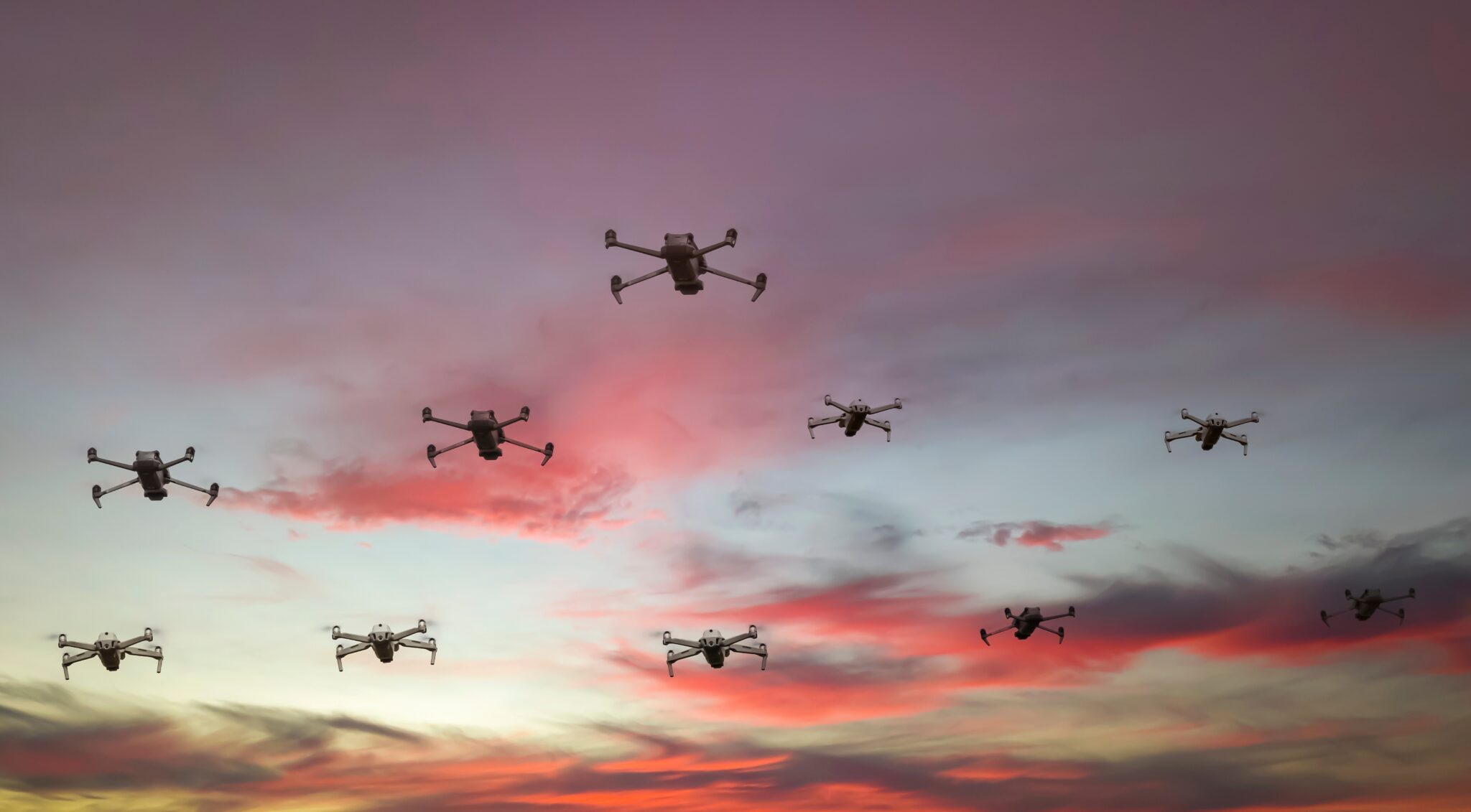
Scalability follows naturally. Coordinated fleets cover extensive areas without corresponding increases in manpower, securing dispersed locations such as forward bases, logistics hubs, or city outskirts. AI-driven counter-UAS provides the tempo and durability that operator-dependent architectures cannot sustain consistently.
Net-Based Counter-UAS Establishing Itself as a Precise, Restrained Defeat Method
Destruction introduces risks that many scenarios cannot tolerate. Net-based counter-UAS provides an alternative: interceptors release tethered or drogue nets that ensnare rotors or fuselages, stopping flight and enabling controlled recovery—parachute descent for heavier targets or direct tow for lighter ones.
The method excels where collateral must stay low. Absence of fragments protects nearby personnel, assets, and structures. Procurement momentum under Replicator initiatives underscores adoption: compact, AI-directed platforms locate, pursue, and secure small UAS with improving reliability after successive engagements. Evasion success diminishes once tracking locks in, with reserve nets ready if required.
Ukraine’s preference for non-kinetic outcomes—recovering intact drones for exploitation—aligns with net capture principles. The technique preserves intelligence potential while blocking adversary recovery. Linked to sensor networks for cueing and optical confirmation, autonomous chase extends reach past visual horizons.
Heading deeper into 2026, net-based counter-UAS closes evident shortfalls. Jamming hampers but spills over to friendly networks; kinetic options heighten escalation. Nets supply graduated response, especially against the Group 1 and 2 categories dominating current asymmetric challenges.
Applying Ukraine’s Field Insights to U.S. Requirements in 2026
Ukraine’s technical and tactical advances transfer westward via intelligence sharing, joint training, and direct observation. American units integrate hardened navigation, AI-supported targeting, and multi-layered defeat approaches drawn from combat-proven necessity. Priority centers on cost-effective, producible platforms that maintain pace against adversaries.
Net-based counter-UAS integrates smoothly. Systems launch from static emplacements, vehicles, or mobile interceptors to shield priority assets without broad disruption. Mated with AI autonomy, they deliver cohesive protection: detection informs pursuit, nets complete the engagement.
The synergy generates tangible gains. Electronic warfare tolerance rises; operations distribute effectively; restraint remains inherent. As threats advance—higher speeds, synchronized groups—the flexibility of these approaches maintains defensive initiative.
SKYPATH: Providing Proven Platforms for Modern Airspace Demands
SKYPATH functions as a focused supplier of military drones and counter-UAS solutions, offering complete capabilities to defense organizations, government entities, and security operators globally. Headquartered in Singapore with manufacturing distributed throughout Southeast Asia, the organization draws on engineers with advanced expertise in AI sensor fusion, flight control, and autonomous architectures.
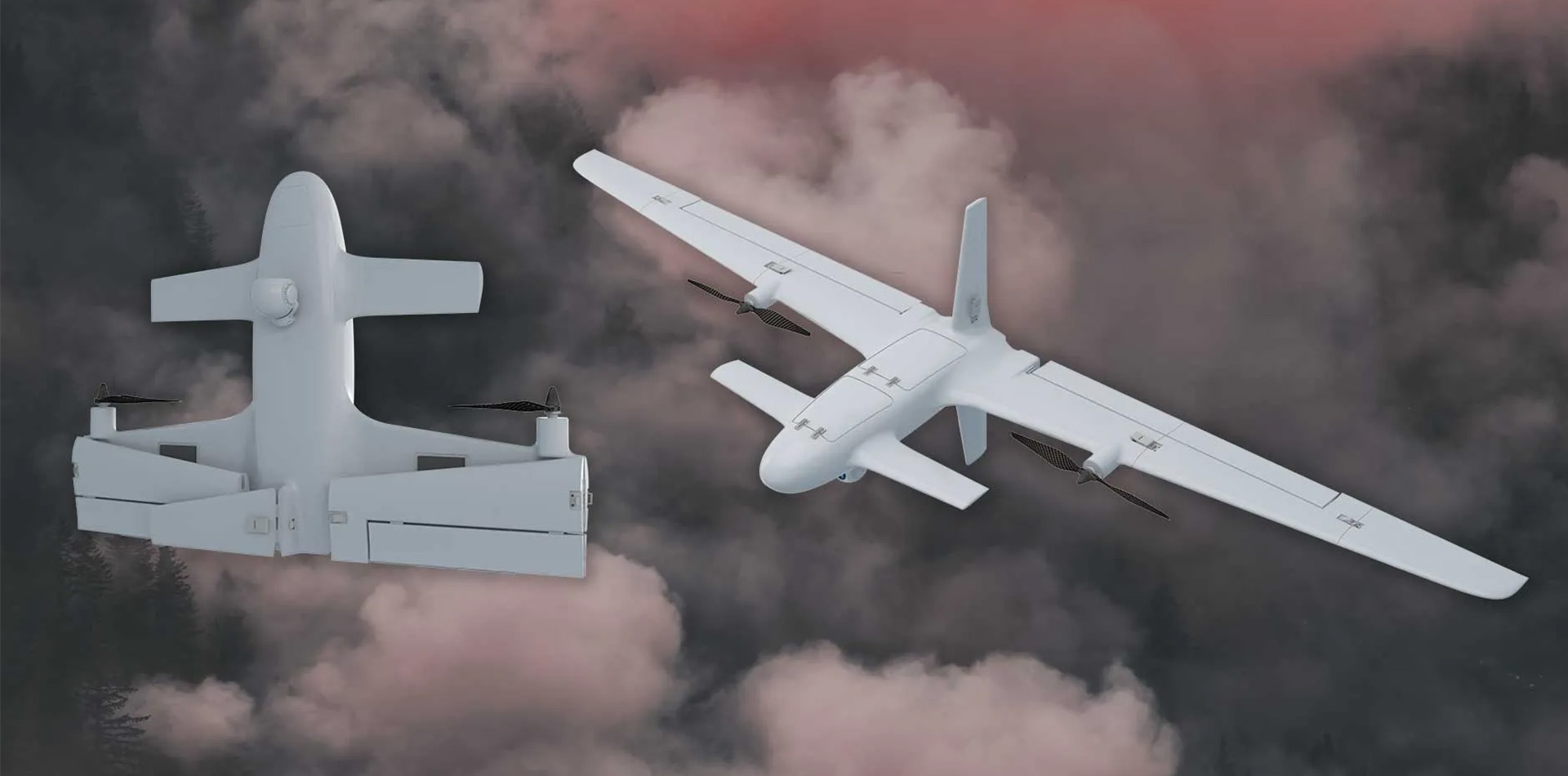
Strengths concentrate on AI-enabled autonomous UAVs and comprehensive anti-drone configurations achieving target identification accuracy frequently surpassing 99 percent, supported by navigation resilient to intense jamming. Offerings include VTOL reconnaissance platforms for sustained ISR, compact folding loitering munitions resistant to electronic attack, and end-to-end anti-drone networks that span detection, tracking, disruption, and physical capture.
SKYPATH stresses dependable performance, swift deployment, and mission-specific configuration. Designs feature fiber-optic gyro inertial systems combined with AI targeting to counter interference, while flexible structures permit adaptation to varying threat conditions. This dedication to accuracy and operational endurance positions partners to confront dynamic airspace risks successfully.
Conclusion
Ukraine’s drone-intensive engagements have paved the way for U.S. integration of AI autonomy and net-based counter-UAS as foundational elements through 2026. These capabilities confront electronic denial, collateral limitations, and volume requirements with proven, pragmatic solutions. Forces that combine autonomous processing with restrained physical neutralization will establish clear superiority in upcoming operations. The direction remains straightforward: durable AI-supported platforms paired with controlled capture methods will shape effective counter-drone frameworks going forward.
Frequently Asked Questions
Why has AI autonomy become critical for counter-UAS effectiveness heading into 2026?
AI autonomy permits independent handling of detection, classification, and engagement when satellite navigation drops or jamming severs links, shortening reaction times and reducing operator fatigue. Ukraine’s operational experience shows onboard processing for positioning and targeting markedly improves persistence and accuracy against shifting drone behaviors.
In what ways do net-based counter-UAS systems hold advantages over jamming or kinetic engagements?
Net-based systems achieve mid-air capture with very low collateral, fitting environments where explosive effects or wide-area jamming pose unacceptable hazards. AI-directed interceptors deliver precise pursuit and reusable, intelligence-retaining defeat that integrates effectively into layered defense architectures.
Which Ukraine-derived lessons most directly guide U.S. development of autonomous and net-based counter-UAS capabilities in 2026?
Ukraine underscored the necessity of jam-resistant navigation and minimized human-in-the-loop control to counter high-volume attacks. The U.S. applies these principles in initiatives deploying autonomous interceptors and non-destructive capture solutions, creating scalable safeguards for homeland, forward, and contested-area missions.
How can defense organizations assess whether net-based counter-UAS aligns with their specific operational needs?
Review prevailing drone characteristics—size, velocity, typical environments—together with tolerance for collateral outcomes. Net approaches excel in situations demanding precision and recoverability, particularly when enhanced by AI for extended autonomous chase. Live trials against representative threats validate performance for applications such as asset protection or base perimeter security.

Main Products
Our Main Products
At SkyPath we develop cutting-edge drones for every situation. Please browse our products.
Contact Us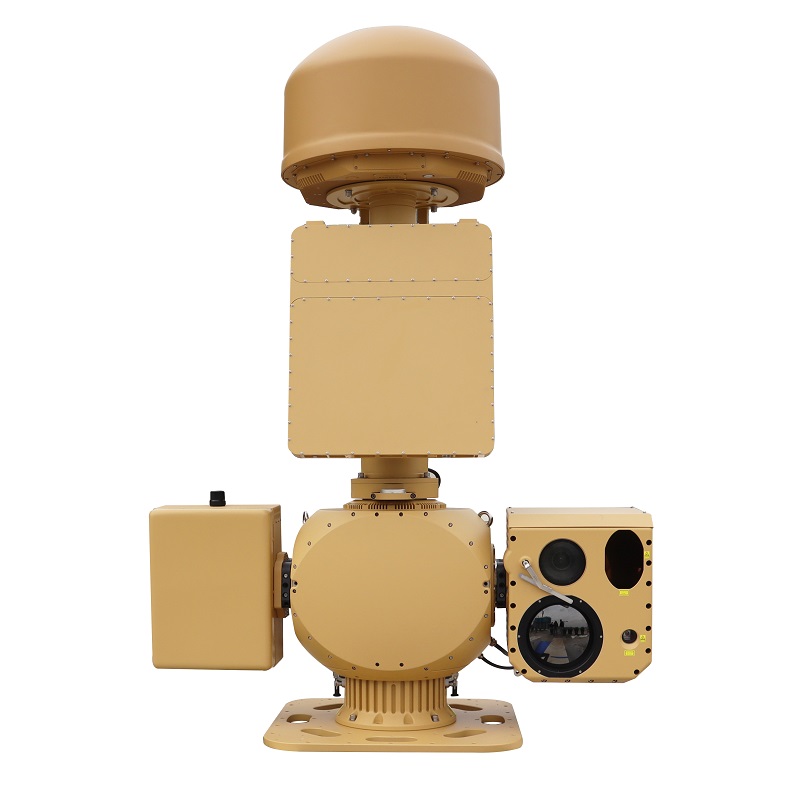
AUS70 Heavy-Duty Integrated C-UAS System
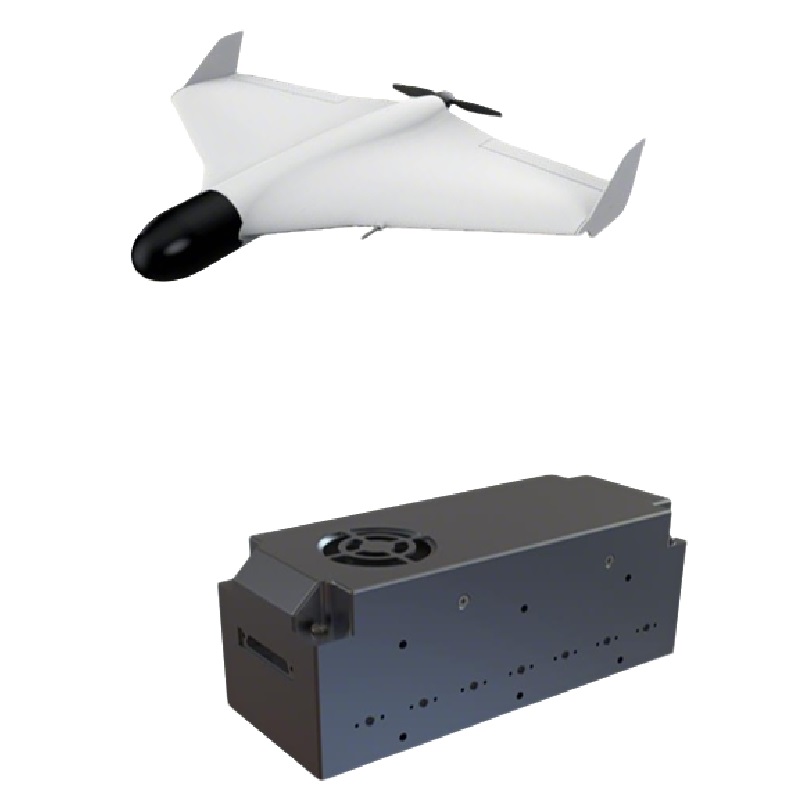
Anti-Drone Jammer Seeker
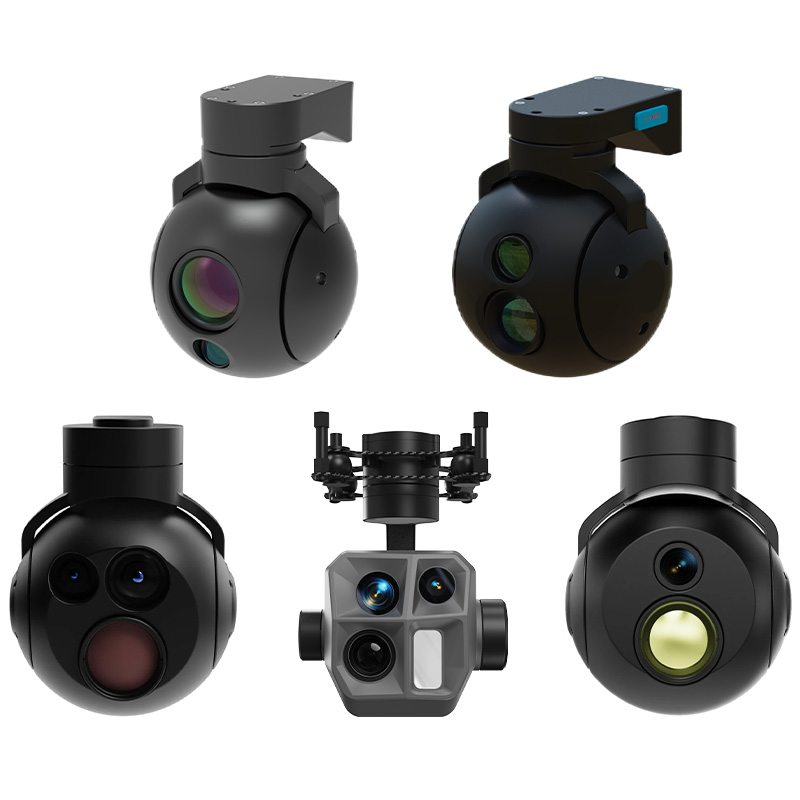
AD SERIES
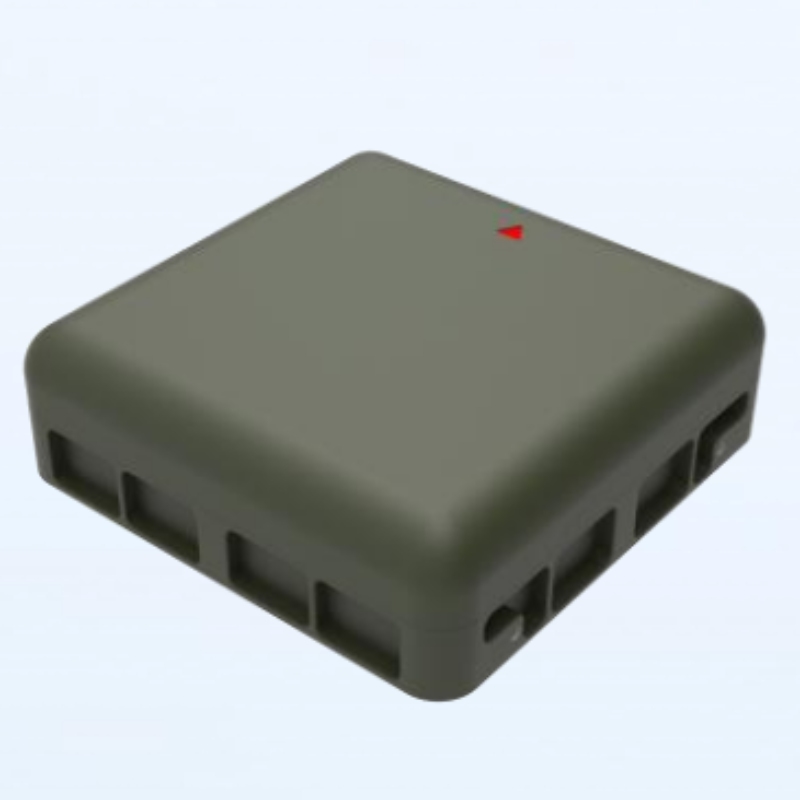
Anti-jamming antenna AJ410
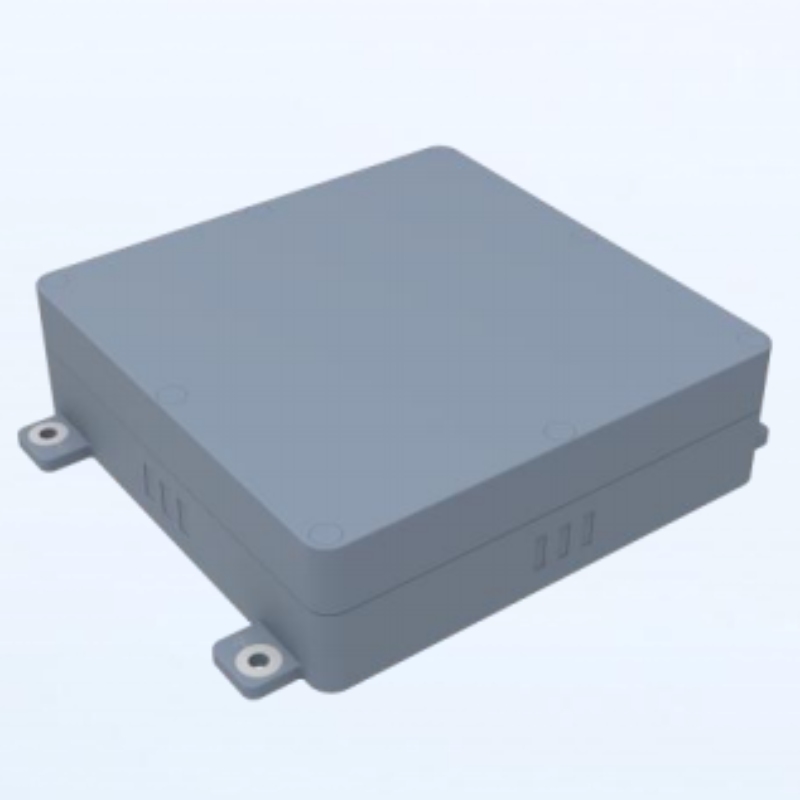
Anti-jamming antenna AJ440
Radar Absorbing Agents