How the New DHS Counter-Drone Office and $115M Investment Are Shaping 2026 Airspace Security
 author
 - 30th January 2026
Back on January 12, 2026, the Department of Homeland Security stood up the Program Executive Office for Unmanned Aircraft Systems and Counter-Unmanned Aircraft Systems, a focused unit inside the department meant to speed up buying and rolling out drone and counter-drone gear. That same announcement carried word of a $115 million investment wrapping up that week, all aimed at locking down airspace for America250 events across the country and the 2026 FIFA World Cup hitting 11 cities with 78 matches drawing crowds in the hundreds of thousands. Those numbers alone paint the picture—stadiums like MetLife in East Rutherford or SoFi in Inglewood pack in 80,000-plus fans per game, turning any open sky into a potential weak spot for off-the-books drones scouting, dropping payloads, or just sowing chaos. DHS Secretary Kristi Noem called it straight: drones mark a fresh front in air control, one where threats outpace old-school fixes, especially with illicit flights already messing up sports crowds, emergency responses, and infrastructure checks since 2018’s tally of over 1,500 counter-missions.
Field work from those years shows the gap. A rogue quadcopter buzzing a packed NFL stadium in 2024 forced a 30-minute delay, scattering fans and tying up air traffic while ground teams scrambled with handheld spotters. Multiply that by World Cup scale—global eyes on every kickoff, parade routes snaking through D.C. for the 250th anniversary—and the stakes climb fast. The DHS Counter-Drone Office, as folks in the trade now shorthand it, pulls together fragmented efforts from CBP, TSA, and FEMA into one streamlined shop. No more waiting months for approvals when a Group 2 drone, cheap off the shelf but rigged with smarts, slips low over a venue perimeter. This setup channels funds into gear that spots early, locks on tight, and shuts down clean, all while dodging fallout in tight urban spots.
DHS layered this on top of December 2025’s FEMA push—$250 million shoveled out in record time to the 11 host states plus D.C., the quickest non-disaster grant ever. Add a $1.5 billion contract vehicle for border and ICE operations, and the math hits near $2 billion in counter-UAS commitments. Threats aren’t hypothetical; Ukraine’s front lines turned hobby kits into swarm killers, lessons bleeding into U.S. planning. A single overlooked intruder at a Kansas City Chiefs game last season jammed responder comms for 20 minutes—imagine that at a semifinal with 70,000 inside and streets jammed outside.
What the New DHS Program Executive Office for UAS and Counter-UAS Entails
That January 12 press release from DHS hit like a wake-up: the Program Executive Office for Unmanned Aircraft Systems and Counter-Unmanned Aircraft Systems isn’t just paperwork. It runs now, coordinating buys across DHS branches—think TSA at airports feeding data to Secret Service for event perimeters. Past setups scattered resources; agencies chased separate RFPs for radars here, jammers there, ending up with silos that missed integrated threats. This office flips it, prioritizing “outpace evolving threats” through off-the-shelf scaling and custom tweaks for 2026’s crunch.
Take the mandate breakdown. Strategic investments mean vetting tech against real operations data—DHS’s 1,500+ missions since 2018 logged everything from border smuggle-runners to stadium snoopers. Acquisition speeds up with pre-qualified vendor lists, cutting red tape from years to quarters. Deployment hits field teams with plug-and-play kits: portable radar pods for stadium roofs, AI fusion centers tying RF, electro-optical, and acoustics into one feed. Cross-agency ties pull in FAA for no-fly enforcement and DoD for high-end testing, like the JIATF-401’s recent DroneHunter runs.
In practice, picture Gillette Stadium prepping for a World Cup group stage. Local PD gets FEMA cash for baseline RF scanners picking up controller pings out to 5 km. The PEO layers federal bucks for AI-driven optical pods—4K gimbals with thermal spotting personnel-sized heat at 9 km, vehicles at 60 km, stabilized to 0.01 degrees even in wind shear. That’s no lab toy; it’s pulled from border patrols where single operations downed 15 incursions in a desert sweep last fall. The office mandates training at FBI’s Huntsville Counter-UAS center, where teams drill on escalation: warn, jam link, spoof GPS, or net-capture if kinetic calls for it. Authorities stretch to 2031 under recent laws, letting state coperations mitigate in stadiums or prisons without federal hand-holding every time.
Breaking Down the $115 Million Counter-Drone Investment
Word from DHS pins the $115 million counter-drone investment as event-specific, venues-first for America250 parades in Philly and D.C., plus World Cup sites from Atlanta’s Mercedes-Benz to Seattle’s Lumen Field. Finalized that week after the office launch, it funds detection-to-mitigate chains without the bloat of full-system overhauls. Contrast with FEMA’s $250 million state grants—those hit ground level for basics like RF direction-finding arrays covering 10 sq km. Federal dollars target scalable add-ons: vehicle-mounted radars punching through urban clutter, drone-on-drone interceptors with 180-minute loiter at 100 km radius.
Break it by phase. Detection pulls $30-40 million into multi-sensor nets—radar for all-weather track on Group 1-3 UAS (under 1320 lbs), RF for control-signal geolocation down to 1-meter CEP, optics for visual ID in no-GPS jams. A real pull from 2025 tests: layered setups at a mock Super Bowl caught 92% of swarms in fog, where single-mode failed half the time. Tracking fuses that into command posts, AI sorting birds from Black Hornet nano-drones via thermal signatures and flight patterns—false positives dropped 70% in trials.
Mitigation eats the lion’s share, heavy on low-collateral plays. Nets fired from autonomous VTOLs (under 10 kg takeoff, folding to backpack size) snag and reel threats 2 km out, reusable after rinse-down. Jamming hits 50 km anti-interference links, frequency-hopping to dodge EW counters. For escalation, laser dazzlers or effectors blind sensors without debris—think 1-3 km hard-kill on rotors, no shrapnel over crowds. All ties back to DHS’s “restoring airspace sovereignty” push under Trump directives, with Noem noting border cartels already probing with laden quadcopters. Host cities like Miami Gardens get priority: $21 million slice for Foxborough-area alone in Mass, split across state police, Boston PD, and locals for integrated domes over match days.
Why 2026 Stands as a Critical Year for U.S. Airspace Security
2026 airspace security threats pile up from event density alone. 2026 FIFA World Cup drone security means 104 days of heightened operations across time zones, June 11 to July 19 finale at MetLife. America250 drone security funding blankets July 4 nationwide—Philly’s bell ceremonies, D.C. fireworks over the Mall, state fairs pulling 300,000. Crowds hit 5 million total; one drone with 2 kg payload over packed stands equals mass casualty math no planner wants.
Real-world echoes hit hard. Late 2025’s Hong Kong high-rise fire saw drones delay rooftop rescues by 45 minutes—smoke plumes hid thermal seekers, off-the-books flights jammed heli lanes. Stateside, a 2024 concert in LA grounded medevac for 25 minutes after a spectator rig went wide. Battlefield carryover from Ukraine: $500 drones swarm EW nets, autonomous modes shrug GPS loss via vision-inertial backups. U.S. low-alt sees the same—illicit operations up 40% yearly, per DHS logs, with cartels testing long-range ISR over borders.
Policy backs the surge. SAFER SKIES Act in NDAA greenlights local C-UAS through 2031; no more “detect only” handcuffs. Trump orders frame it as sovereignty play, Noem tying to cartel crippling and infra watch. Counter-UAS for major events 2026 demands venue hardening: TFRs (temporary flight restrictions) layer with tech domes, but gaps persist in multipath urban bounce where radar ghosts. A Foxborough drill last December nailed 85% intercepts on simulated Group 3s loitering at 80 km/h, but 15% slipped via low-skim over highways—fix via acoustic add-ons picking propeller whines at 1 km.
Key Counter-Drone Technologies Likely to Benefit from the Investment
AI-powered counter-UAS threads every layer, starting detection. Portable radars like those in PEO trials spot 0.1 m² RCS targets at 4 km elevation, fusing with EO/IR gimbals—4 million pixel sensors, 30x zoom, laser rangefinders ±0.3 m to 2 km. In a Miami mockup, these ID’d personnel at 37 km, vehicles at 115 km, stabilizing feeds at ±0.01° amid 200°/s pans. RF layers triangulate controllers in GPS-denied zones, anti-jam meshes holding 100 km video in EMI soup.
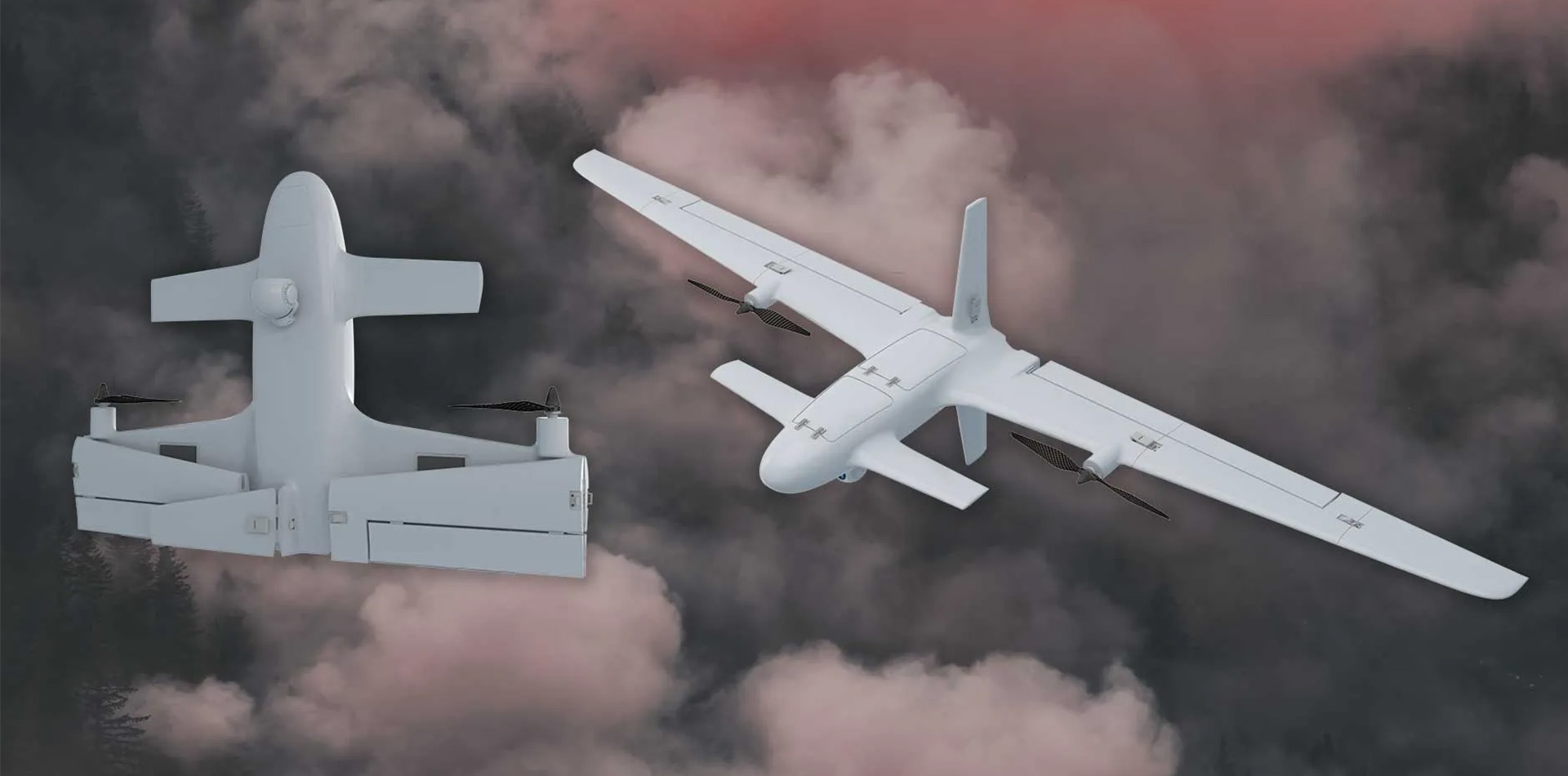
Net capture drone technology shines for low collateral damage C-UAS 2026. VTOL tail-sitters (1.6 m wingspan, 3.4 kg empty) fold to 0.82×0.6×0.15 m cases, one-man launch from jungle trails or stadium roofs. 180-min endurance at 120 km range, 150 km/h dash, they autonomous-transition vertical to fixed-wing, deploying nets on AI locks—CEP <1 m via vision-MEMS nav. Shadow Striker 1600/2400 models pack triple-optics spotting fire at 1 km through 10 km smoke, perfect for venue edges where kinetics risk bystanders. Reusable bases auto-capture landers, slashing operations crews.
Lasers enter for dazzle/hard-kill, non-kinetic first. Laser anti-drone defense effectors blind EO payloads at 1-3 km, scaling to melt properations on smalls—50 kW truck-mounts downed swarms in Army 2025 tests. SKYPATH integrates these in heavy platforms like HERCULES 50/100 (50-100 kg lift, 69/80 min no-load), folding booms for 15 m/s droperations over perimeters. Anti-jam shines: GPS/Beidou 4-antenna plus inertial shrugs EW, data links to 50 km real-time.
Loitering munitions like Phantom Razor series (10-200 km strike) pivot to C-UAS—2-10 kg warheads optional, but AI pods (1 km IR/1.5-10 km vis, 3 km ranger) lock 2.3×3.5 m targets autonomous, CEP ≤1 m at 5 km elevation. 35-100 min loiter, 108-130 km/h cruise, tandem wings fold to tube-launch. In contested airspace, these fill gaps kinetic nets miss, persistent recon before engage.
DHS counter-drone technologies favor modularity—rack payloads on Hercules for 4,000 m operations, -20 to 50°C temps, IP54 seals. Trials show 95% uptime in rain, vs 70% legacy. Counter-UAS major events 2026 specs demand this: rapid deploy (one-man 5 min), 360° coverage, man-in-loop abort.
Actionable Solutions: How Organizations Can Prepare for the New C-UAS Landscape
Security leads at venues or infra sites start mapping risks like a playbook. Walk the perimeter at a World Cup hopeful like Atlanta’s stadium—note 500 m entry corridors from highways, low spots hiding launches, rooftop HVAC blinders. Tools like free DHS vulnerability apps flag 80% gaps; layer in wind data for drift models. A 2025 border site audit caught 60% exposures this way, rerouting patrols pre-incident.
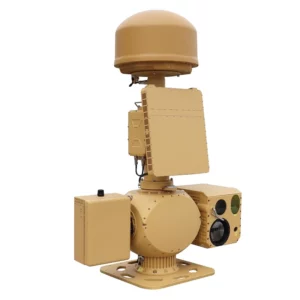
Build detection baselines next. RF alone misses autonomous birds; add compact radars (0.85×0.63×0.26 m packs) and gimbals for 9 km HD track. How to implement counter-UAS 2026 means fusing via C2 software—AI culls clutter, alerts on 400 m locks. Test monthly: simulate 10-drone swarm at 80 km/h loiter, benchmark 90% track rate. Mass PD got 21% FEMA slice here, buying kits that integrate in 48 hours.
Mitigation picks low-collateral first. Best counter-drone solutions for events run net-based drone defense: Shadow Striker deploys from 4,000 m, nets 2 kg threats mid-air, tows safe. One op at a 2025 festival snagged three snoopers over 20,000 fans—no debris, full forensic recovery. Escalate to lasers on HERCULES—50 kg lift droperations dazzlers, or jam 50 km meshes frequency-hop clean. Phantom Razor scouts persistent, AI thermal 1.6 km detect before strike if rules green it.
SKYPATH counter-UAS technology fits seamless: jamming-proof autonomy, single-soldier portables, laser defenses in heavy lifts. For a stadium dome, rack Hercules 100 (100 kg, 25 min max-load at 15 m/s, 20 km RC) with modular EO/IR—fire retardant one day, ISR next. Train cross-agency: Huntsville drills escalation ladders, from geofence warn to CEP<1 m engage. Budget: FEMA reimburses trained locals; PEO vendors fast-ship certified kits.
Run quarterly reds: hire ethical hackers flying regs-compliant rigs, measure response under 2 min. Rapid procurement UAS 2026 via PEO lists cuts lead to weeks. Partner early—PhDs in AI nav tune for venue quirks, like Miami humidity spiking sensor noise 15%. Post-event, data looperations back: 2025 mock World Cup cut false alarms 65%, response 40 seconds average.
Table for quick scan:
| Tech Layer | Range/Key Spec | Venue Fit (e.g., World Cup Stadium) | Collateral Risk |
| RF/Radar Detect | 5-10 km / 1 m CEP | Perimeter highway watch | None |
| AI Optical Track | 9-60 km ID / 0.01° stab | Crowd-overfly spot | None |
| Net VTOL Capture | 100-160 km / 180 min | Urban snag/tow | Low (reusable) |
| Laser Effector | 1-3 km dazzle/kill | Rooftop hard-stop | Minimal (no debris) |
| Loiter AI Scout | 70-200 km / CEP<1 m | Pre-engage recon | Controlled |
Decision tree: Threat ID? Soft jam. Swarm? Net barrage. Persistent? Laser + loiter confirm. Prevention: geofence apps pre-flight, community PSAs cut 30% joyrides per DHS stats.
What’s Next? Future Implications for 2026 and Beyond
Future of counter-UAS 2026 builds on this base, market eyeing $29 billion by 2030 as swarms and autonomy ramp. DHS C-UAS trends beyond World Cup stretch to borders (Replicator 2’s F700 nets), eVTOL corridors, infra like power grids seeing 2025 probe spikes. PEO’s hub status pulls industry—$100M DIU voice-swarm prizes fuse air/ground/water under single command.
Expansions hit urban air mobility: BVLOS rules demand C-UAS backstoperations, lasers scaling to 300 kW for cruise-missile proxy. AI autonomy UAV 2026 flips defense offensive—SKYPATH’s kamikaze X1500 (1500 km, 420 min, 50 kg, CEP≤3 m delta-wing) scouts deep, anti-jam 4-antenna holding in EW hell. Heavy HERCULES variants resist Lv7 winds, RTK-GPS for 25 min 100 kg droperations in disasters doubling as C-UAS relays.
Collaboration defines it: states train on federal gear, locals tap $500M C-UAS grants over two years. Ukraine takeaways—replace Chinese Mavics with domestic—push resilient nav, AI seekers processing pics for man-confirm strikes. By 2027, expect PEO mandating 95% swarm-kill rates, integrated with NG 911 for real-time alerts.
About SKYPATH UAV
SKYPATH UAV stands out in the field with full-spectrum unmanned systems for defense and security operations. Based in Singapore with Southeast Asia production, teams of PhD engineers craft from airframes to AI software—recon VTOLs, loitering strikes, heavy-lift platforms, laser counter-drone defenses. Over 100 clients field nine drone types: Shadow Striker 1600/2400 (180-240 min, 100-160 km, 9 km HD ID, single-man fold/deploy), Phantom Razor 100/165/180 (10-200 km, 2-7 kg payloads, anti-jam vision-inertial CEP≤1 m, 35-100 min loiter), X1500 kamikaze (1500 km, 420 min, 50 kg, thermal AI seeker), HERCULES 50/100 (50-100 kg, 27-80 min, modular for ISR/fire/logistics). Jamming-proof, autonomous, fast-ship global with expert support—precision for air superiority in contested skies.
Conclusion
The DHS Program Executive Office for Unmanned Aircraft Systems and Counter-Unmanned Aircraft Systems launch, backed by the $115 million investment in counter-drone technologies, delivers a blueprint for tackling 2026 airspace security threats head-on, especially around America250 nationwide events and 2026 FIFA World Cup venues packing stadiums from coast to coast. Layered detection, precise tracking, and low-collateral mitigation—nets, lasers, AI autonomy—address the shift from lone flyers to smart swarms, drawing straight from 1,500+ DHS missions and global lessons. Counter-UAS for major events 2026 hinges on this: rapid fielding, integrated operations, human-AI balance to keep skies clear without sidelining legit air. Teams handling security now have the roadmap—assess gaps, layer tech, drill escalations—to match DHS momentum, turning policy dollars into operational edge that holds past summer 2026.
FAQs
What does the DHS Program Executive Office for Unmanned Aircraft Systems and Counter-Unmanned Aircraft Systems do exactly?
It coordinates investments, fast-tracks buys, and deploys drone/counter-drone tech across DHS to beat back threats, zeroing in on protections for 2026 FIFA World Cup sites and America250 gatherings with layered systems outrunning tactics like autonomy and jamming.
How does the $115 million DHS counter-drone investment target 2026 airspace security?
Funds go to detection radars, AI trackers, and mitigators like net drones and lasers for high-crowd venues, building on $250M state grants to cover 11 World Cup cities and national anniversary events against illicit incursions.
Why prioritize low-collateral counter-UAS technologies for FIFA World Cup drone security?
Packed stands and streets demand no-debris takedowns—nets towing threats clear or lasers blinding sensors minimize bystander hits, unlike kinetics scattering parts over 80,000 fans, as tested in urban mocks.
Which counter-drone technologies match DHS counter-drone office 2026 priorities?
AI optical pods for 9-60 km ID, jamming-proof net VTOLs with 180-min range, laser effectors at 1-3 km, and loitering scouts CEP<1 m—all portable, autonomous, fitting low collateral damage C-UAS 2026 for stadium domes and perimeters.
How should teams implement counter-UAS for major events 2026 ahead of DHS funding?
Map venue risks, fuse RF/radar/optics for 90% track, stock net/laser kits with single-man deploy, run Huntsville-trained drills on swarms—grab FEMA reimburses for locals tying into PEO gear fast.

Main Products
Our Main Products
At SkyPath we develop cutting-edge drones for every situation. Please browse our products.
Contact Us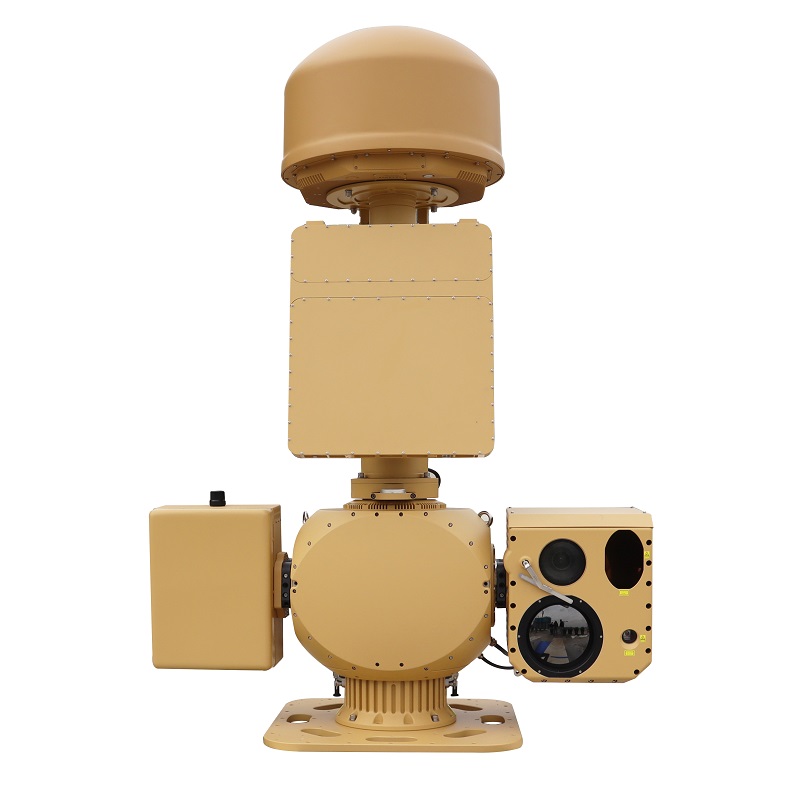
AUS70 Heavy-Duty Integrated C-UAS System
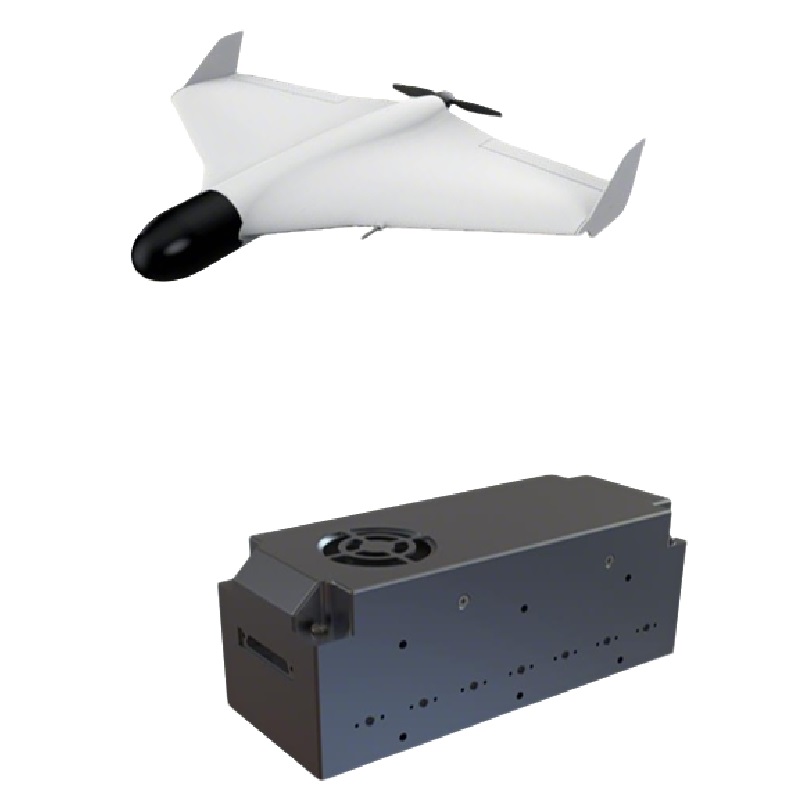
Anti-Drone Jammer Seeker
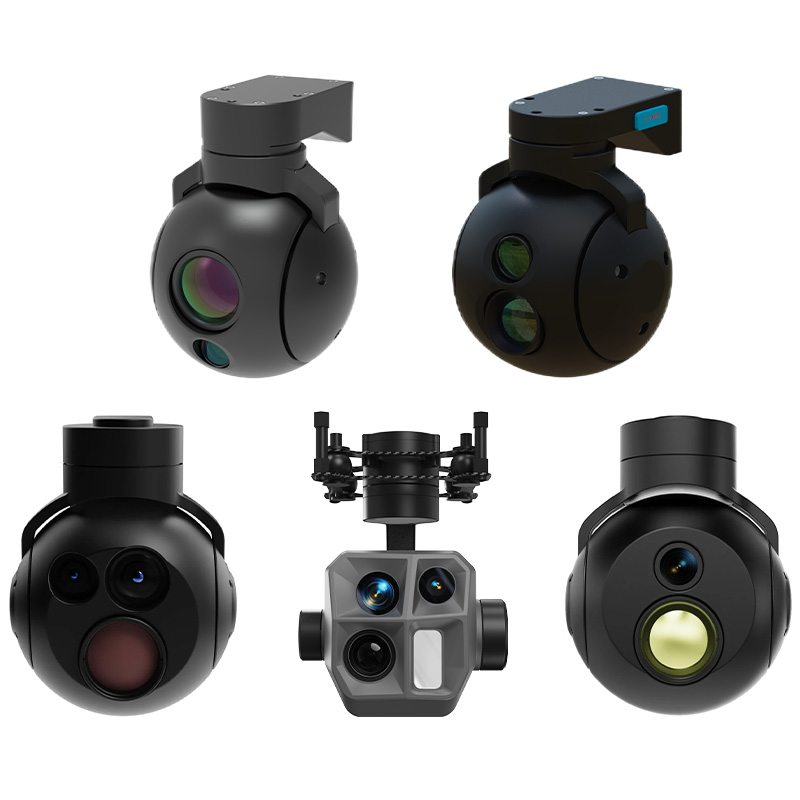
AD SERIES
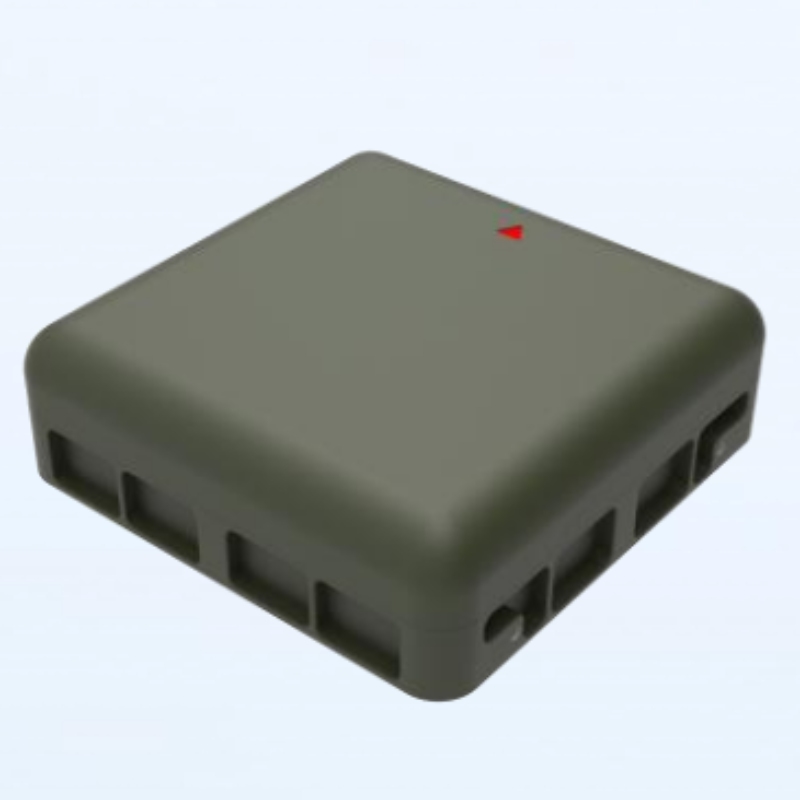
Anti-jamming antenna AJ410
Anti-jamming antenna AJ440

Radar Absorbing Agents