Iranian Drones Enter Latin America: The Mohajer-6 Threat to America’s Backyard and Countermeasures
 author
 - 7th February 2026
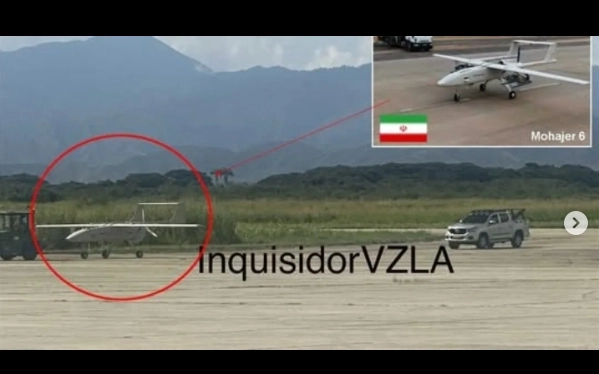
Images that surfaced in late December 2025 showed a Mohajer-6 UAV parked on the apron at Venezuela’s El Libertador Air Base near Maracay. The photos moved rapidly through open channels, and the U.S. Treasury Department responded on December 30 with sanctions that identified the supply and assembly network. The public notice confirmed that Empresa Aeronautica Nacional SA had carried out assembly and sustainment of Iranian Mohajer-series platforms, including the Mohajer-6, through transactions valued in the millions with Qods Aviation Industries. Clear photographic proof of an armed Iranian reconnaissance-strike drone operating in Latin America had become public.
The event alters threat assessments throughout the Western Hemisphere. Transfers in prior years concentrated on surveillance-oriented Mohajer-2 derivatives, locally designated ANSU-100 and employed primarily for ISR with rudimentary weapon options. Arrival of the Mohajer-6 introduces genuine strike potential—extended flight duration, precision-guided ordnance, and sophisticated multispectral sensors—into an area where low-end aerial threats had previously stayed limited in scope. Teams responsible for monitoring Caribbean sea lanes, Gulf approaches, and South American border regions now face a system that projects Iranian capability well beyond traditional operating zones and directly into what has conventionally been regarded as America’s strategic backyard.
Mohajer-6 Capabilities and Why It Matters in Latin America
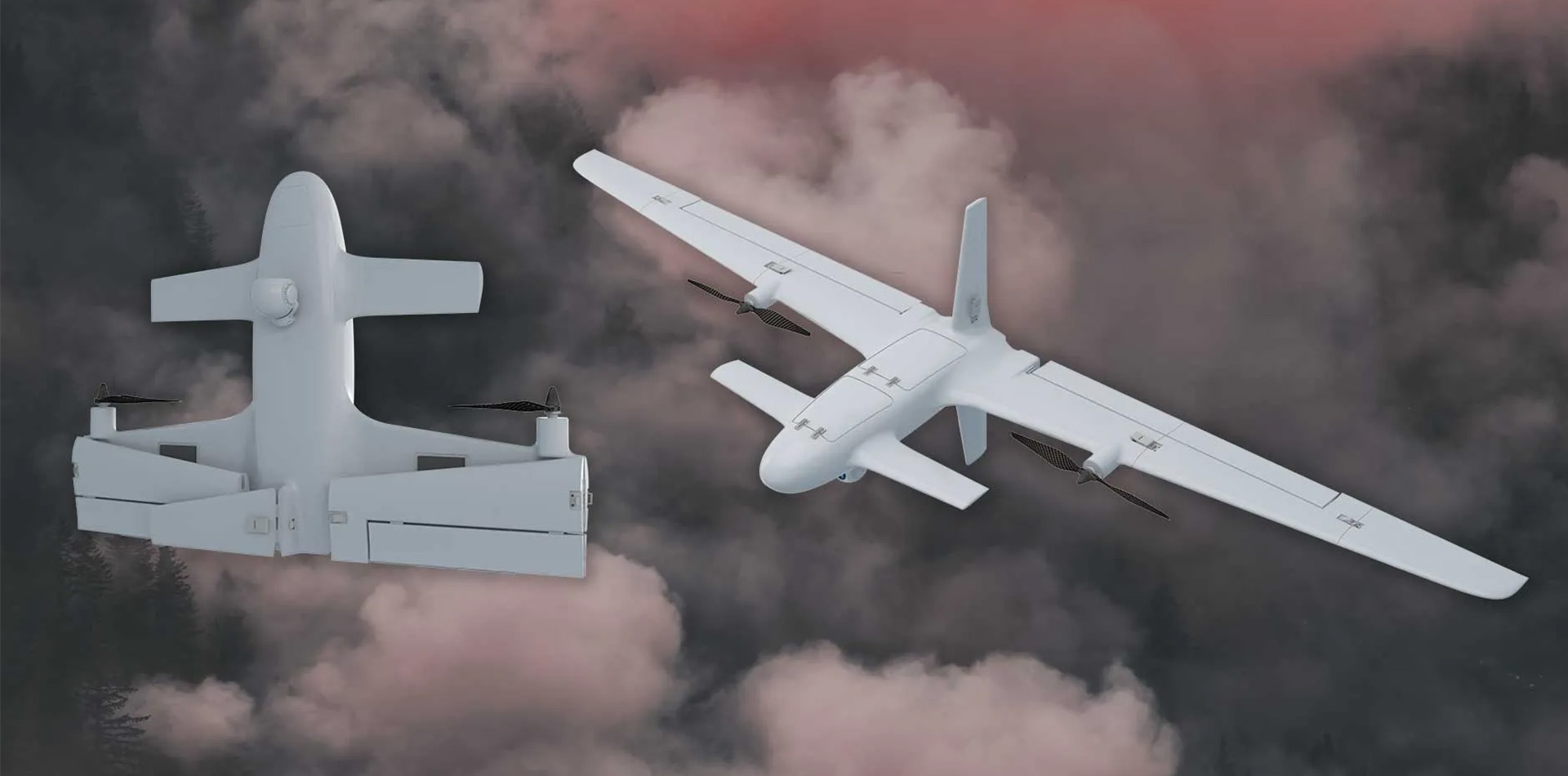
The Mohajer-6 occupies a specific niche in Iran’s exported UAV portfolio. The design uses a pusher-propeller arrangement, approximately 10 meters wingspan and 7.5 meters fuselage length, with maximum takeoff weight between 600 and 670 kilograms. Payload capacity allows 100–150 kilograms, typically supporting four underwing precision munitions—Qaem glide bombs and Almas anti-armor missiles among the standard fits.
Endurance under normal configuration reaches 12 hours, with lighter loads occasionally extending toward 15 hours. Service ceiling falls between 16,000 and 18,000 feet, cruise speed remains in the 150–200 kilometers per hour band. Control range line-of-sight typically covers 200–500 kilometers, while satellite datalink variants extend theoretical reach. The forward turret integrates day-night electro-optical and infrared imaging, laser rangefinding, and thermal tracking for acquisition and designation.
These attributes generate direct operational implications across the region. From central Venezuelan airfields the platform covers substantial portions of the Caribbean, approaches to the Panama Canal, and northern South American littoral zones. Long-duration maritime surveillance follows tanker movements, naval passages, or offshore facilities without interruption. In ongoing border tensions, such as the Essequibo area between Venezuela and Guyana, continuous overhead intelligence collection supports surface forces while avoiding manned aircraft exposure.
Strike options increase the profile further. Precision weapons permit engagement of radar sites, headquarters elements, or logistics points with reduced warning. Integration with existing lower-tier drones opens pathways to saturation tactics. The platform’s comparatively small radar return and moderate speed hinder prompt detection in coastal or mixed airspace environments.
The progression from earlier variants is evident. Mohajer-2 derivatives provided basic observation functions. The Mohajer-6 delivers combat-capable reconnaissance with credible strike delivery, consistent with observed patterns in Middle Eastern campaigns and Ukraine, where similar airframes have guided loitering munitions or executed standalone missions.
The Broader Iran-Venezuela Drone Network and Proliferation Risks
Engagement between Tehran and Caracas began in the mid-2000s. Initial arrangements focused on Mohajer-2 deliveries, which evolved into local assembly programs and rebranding under the ANSU label. The relationship grew steadily. EANSA assumed responsibility for maintenance, modifications, and partial manufacturing, assisted by Iranian specialists and supplied parts.
The Mohajer-6 constitutes the current apex. Sanctions documentation details direct procurement discussions for armed configurations, enabling incorporation into Venezuelan Air Force inventories. Indications suggest larger platforms such as Mohajer-10 or Shahed-family loitering munitions may follow, although definitive confirmation remains limited.
Effects extend beyond Venezuelan borders. The foothold establishes an asymmetric outpost in the hemisphere, eroding established expectations of regional air control. Potential intelligence sharing between Iran and local entities could amplify impact—real-time targeting information disseminated to aligned groups or utilized in combined operations. Strategic waterways acquire persistent overhead observation, while critical infrastructure gains routine aerial monitoring.
U.S. actions have grown more pointed. The December 2025 Treasury designations targeted supporting organizations and individuals, seeking to interrupt procurement channels. Sanctions address ongoing supply more than systems already delivered and fielded. Once integrated, these platforms endure, necessitating comprehensive review of air-defense arrangements across the Caribbean basin and northern South America.
Countering the Mohajer-6: Effective Counter-UAS Technologies and Strategies
The Mohajer-6 creates particular difficulties for standard air-defense systems. Medium-altitude profiles, extended dwell times, and probable electronic countermeasure features reduce the utility of conventional missile engagements. Kinetic interceptors impose substantial per-round costs against a platform in the low millions, and coordinated wave attacks could rapidly deplete point-defense resources.
Layered countermeasures represent the workable approach. Detection relies on combined sensors—radar for long-range acquisition, RF spectrum analysis for control-link interception, and electro-optical/infrared systems for positive identification. Adequate early warning establishes the required response window.
Non-kinetic disruption follows. RF jamming interrupts datalinks, directing the platform toward autonomous return, uncontrolled flight, or loss of guidance. GPS spoofing misleads navigation in restricted areas. These methods function consistently against line-of-sight dependent systems, though frequency-agile or inertial navigation backups necessitate quick adaptation.
Hard-kill effectors finish the engagement chain. Directed-energy solutions—laser dazzlers effective against sensors at 1–3 kilometers or higher-power units capable of thermal degradation to airframe or propulsion—provide instantaneous action with restricted collateral damage. Capture-net interceptors supply an additional precision hard-kill method—AI-guided dispensers entangle and bring the target to ground for analysis or safe recovery.
Overall performance hinges on integration. Centralized AI processing fuses sensor data, adapts to changing threat characteristics, and directs sequenced responses. Modular architectures permit customization—fixed installations protect stationary assets, mobile configurations support border or maritime patrols. Integrated anti-jamming maintains sensor and communication reliability under electronic pressure.
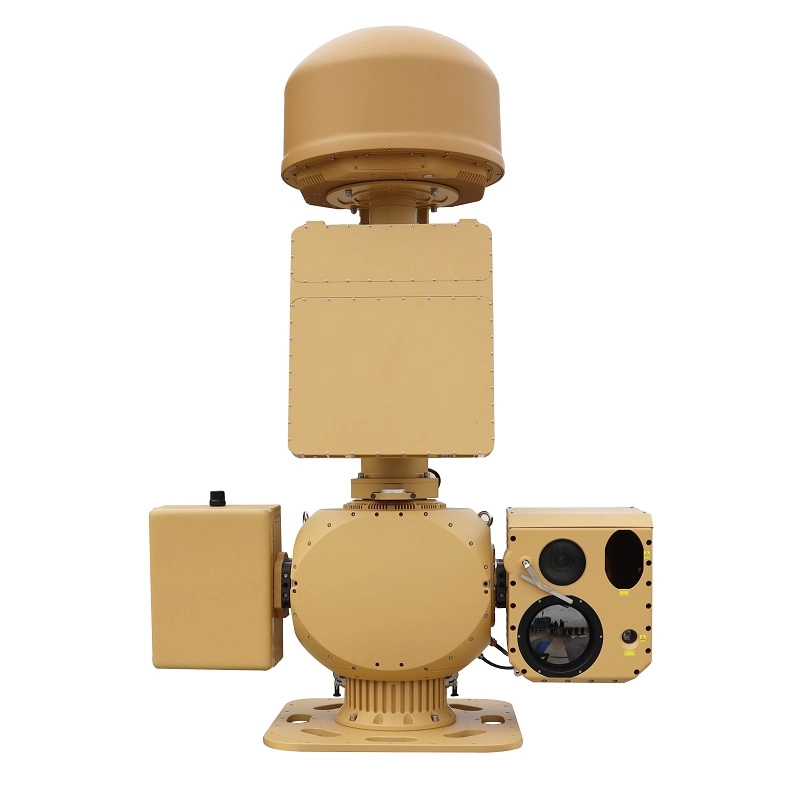
SKYPATH’s AUS70 Heavy-Duty Integrated C-UAS System illustrates the layered concept in operation. Radar surveillance combines with RF detection and EO/IR verification for complete situational awareness. RF jamming applies initial non-kinetic effect, with an optional laser dazzler available for controlled escalation to precise disruption as circumstances dictate.
The mission-flexible design supports persistent coverage across varied operational settings.
Real-World Lessons and Path Forward for Regional Security
Observations from other conflict zones inform present requirements. Middle Eastern employment of the Mohajer-6 frequently involved prolonged ISR preceding strikes, often within contested electromagnetic environments. Ukraine illustrated the platform’s contribution to loitering munition guidance or independent attacks. Sustained presence and numerical volume repeatedly proved central tactics, highlighting the necessity of multi-layered defenses over single-solution reliance.
Within the Latin American setting, emphasis falls on securing ports, energy facilities, border sectors, and naval elements. Forward-positioned detection along maritime approaches extends reaction time. Mobile systems address shifting threats, fixed emplacements guard high-priority locations. Training concentrates on accurate threat discrimination to distinguish routine civil aviation from hostile platforms.
Defense authorities and governments encounter a direct choice. Postponement allows additional dissemination. Prompt evaluation of current counter-UAS frameworks—centered on AI integration, adaptable fielding, and dependable supply chains—reduces exposure before it increases. The period for developing effective protection against progressing low-cost aerial threats remains available.
About SKYPATH
SKYPATH provides professional military drones and counter-UAS systems for government, defense, and law enforcement clients. Headquartered in Singapore with manufacturing and integration operations across Southeast Asia, the company oversees the complete lifecycle from engineering to operational support. The engineering cadre—13 PhD holders and 21 master’s-level specialists—advances specialized capabilities in AI-assisted targeting, flight stabilization, and anti-jamming designs. Platforms deliver 99.9% AI target recognition accuracy, sub-meter navigation precision, ranges up to 2500 kilometers, and reliable function under significant interference. Priority remains on mission dependability, regulatory compliance, and sustained performance in challenging operational contexts.
Conclusion
The fielding of Mohajer-6 drones in Venezuela constitutes a measurable advancement in Iran’s ability to project asymmetric capability into the Western Hemisphere. Extended-endurance intelligence gathering paired with precision strike options redefines threat evaluations across the Caribbean and northern South America. Economical procurement costs and local assembly potential elevate proliferation concerns. Countering the system calls for integrated, multi-tiered architectures that achieve early detection, dependable disruption, and conclusive neutralization. Directed-energy effectors and capture mechanisms, managed through AI coordination, rebalance defensive posture. Organizations accountable for regional airspace security should initiate detailed assessments of contemporary counter-UAS solutions immediately to address emerging risks before operational effects escalate.
FAQs
How does the Mohajer-6 drone threaten US interests in Latin America in 2026?
The Mohajer-6 supplies 12-hour endurance, 200–500 km line-of-sight control range, and provision for four precision-guided munitions. From Venezuelan locations such as El Libertador it observes Caribbean maritime traffic, border zones, and strategic access routes, facilitating continuous surveillance and potential strikes against U.S. or allied targets.
What makes counter-UAS systems effective against Iranian Mohajer-6 drones in Latin America?
Layered designs combine radar, RF, and EO/IR sensors for prompt detection, RF jamming or GPS spoofing for initial disruption, and laser dazzlers or capture nets for hard-kill. AI-driven coordination adjusts to the platform’s altitude profile, loiter duration, and countermeasures, yielding low-collateral outcomes in isolated or swarm engagements.
Why is the Mohajer-6 deployment in Venezuela a proliferation risk for the region?
Local production capacity at entities such as EANSA, together with Iran’s export track record, simplifies expansion and possible onward transfer to aligned organizations. Combat features exceed previous surveillance-only variants, raising the probability of broader distribution and increased difficulty in maintaining regional airspace dominance.
Do laser-based counter-drone systems work against Mohajer-6 threats in contested environments?
Laser dazzlers neutralize sensors at standoff distances, while increased-power systems produce thermal damage to critical elements. Immediate engagement and virtually unlimited shot capacity handle extended or recurring threats, with adaptable configurations suited to dust, humidity, and clutter prevalent in Latin American operational areas.
What should defense planners prioritize when selecting counter-UAS solutions for Iranian drone threats?
Primary factors include sensor fusion for detection, AI accuracy in tracking and response management, modular setups for fixed or mobile application, graduated escalation from jamming to laser effects, and manufacturing durability that supports expeditious delivery and continued sustainment in elevated-threat settings.

Main Products
Our Main Products
At SkyPath we develop cutting-edge drones for every situation. Please browse our products.
Contact Us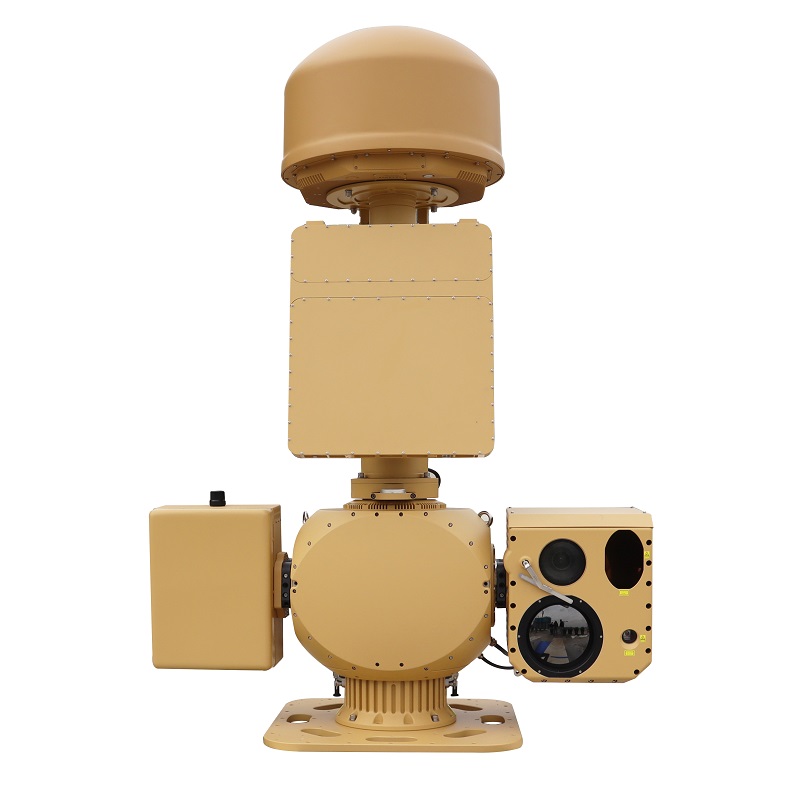
AUS70 Heavy-Duty Integrated C-UAS System
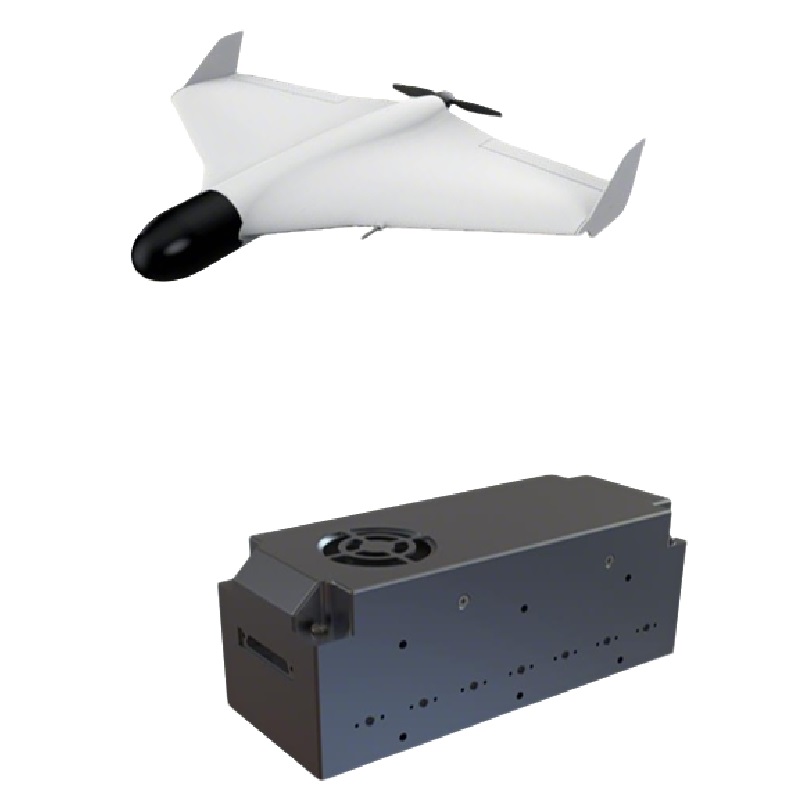
Anti-Drone Jammer Seeker
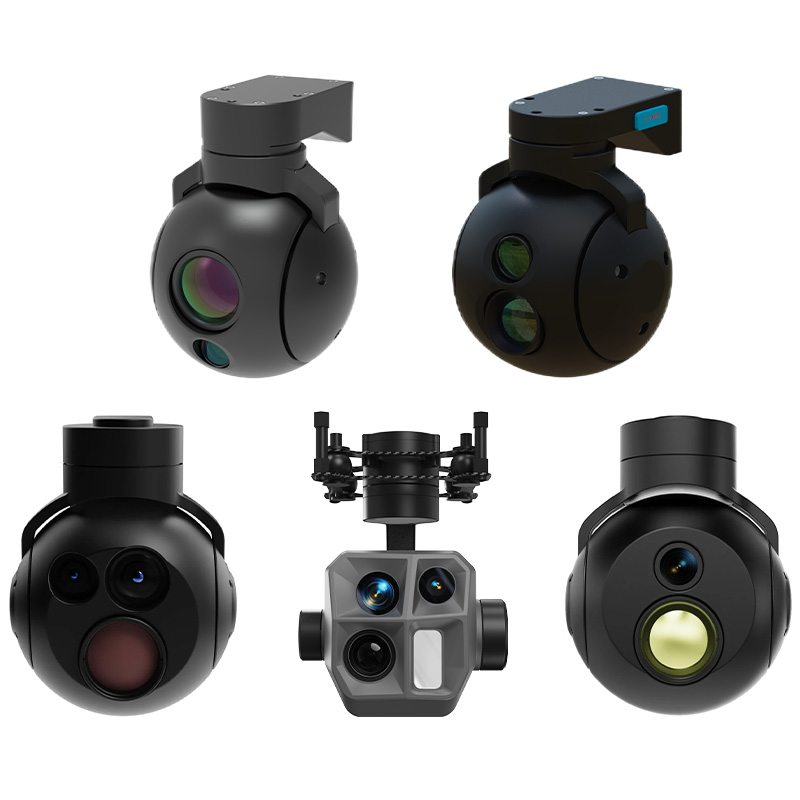
AD SERIES
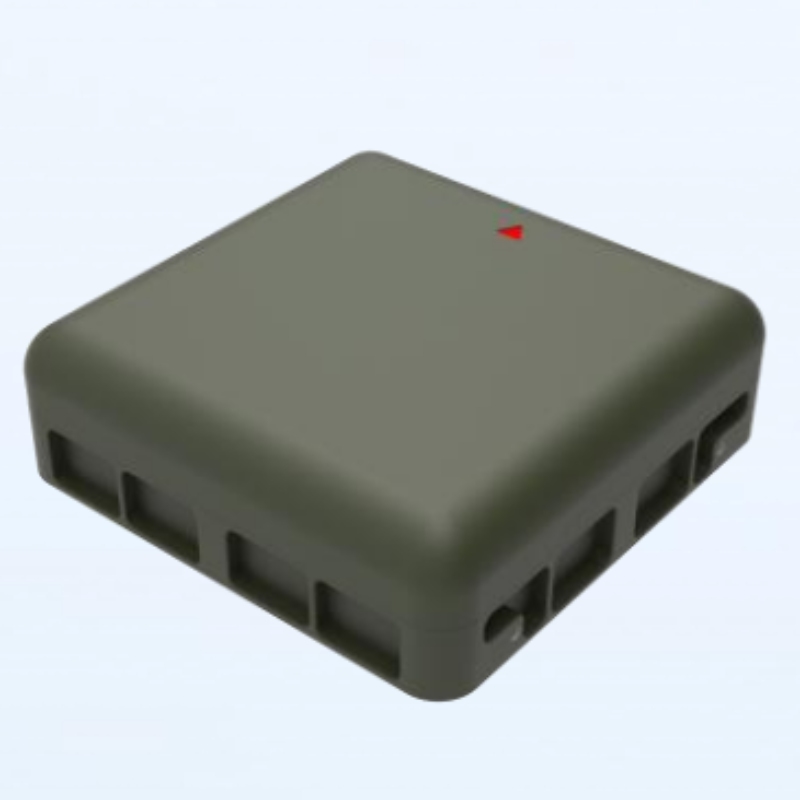
Anti-jamming antenna AJ410
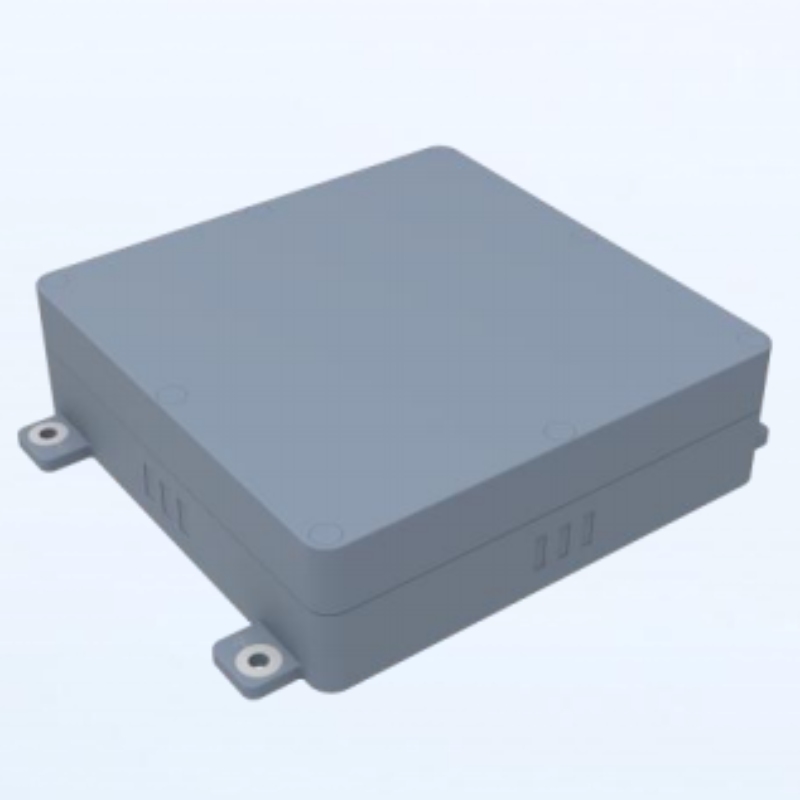
Anti-jamming antenna AJ440

Radar Absorbing Agents