Iranian Shahed Drone Swarms vs US Aircraft Carriers: How the Navy’s 2026 Hedge Strategy Counters Saturation Threats
 author
 - 6th February 2026
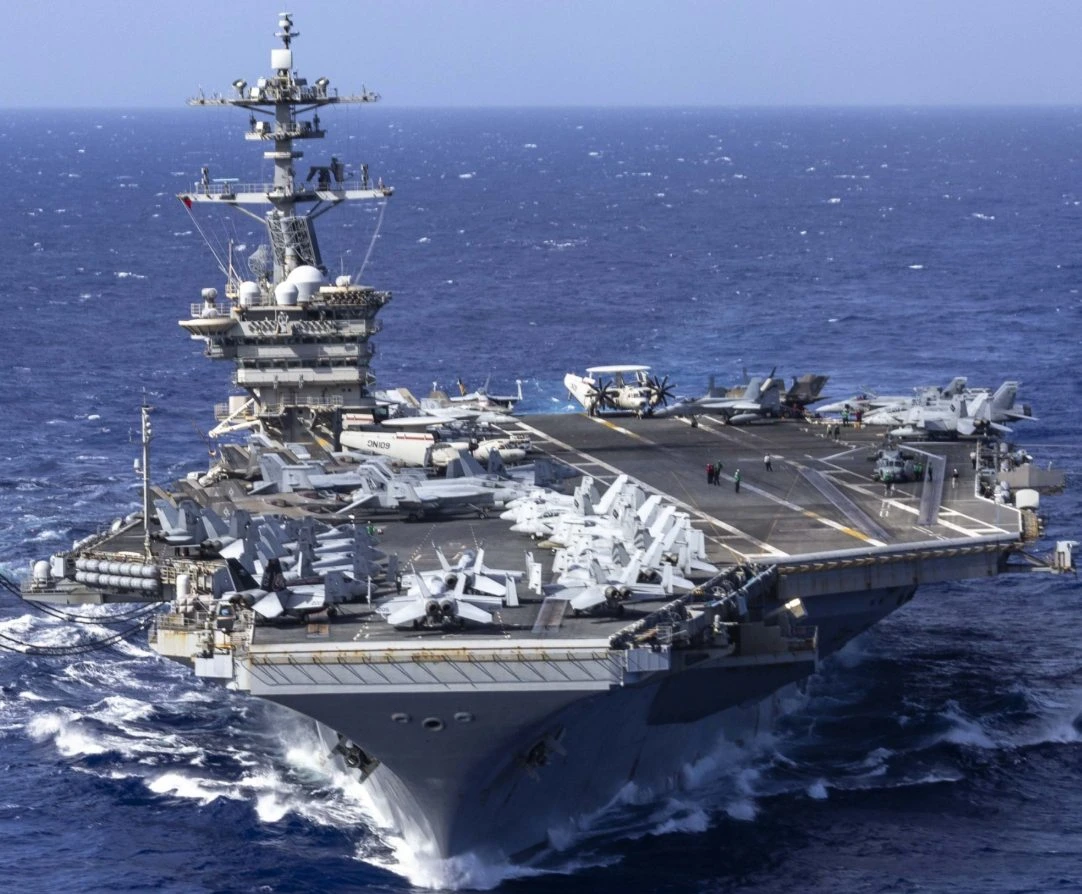
Iranian Shahed drone swarms represent a persistent asymmetric challenge for carrier strike groups, particularly when platforms such as the Shahed-136 and Mohajer series support coordinated mass launches that capitalize on extreme cost disparities and push layered defenses to their limits. The recent transit of the USS Abraham Lincoln strike group into CENTCOM waters underscores this reality, as low-observable, extended-range unmanned systems execute approaches along diverse azimuths, compelling defenders to expend costly interceptors on threats that remain comparatively inexpensive to produce and deploy.
Defense analyses from late January 2026 repeatedly highlighted saturation attacks originating from these Iranian assets, where experts pointed to the ability of such swarms to overload radar cueing and exhaust missile stocks within restricted operating areas. Chief of Naval Operations Adm. Daryl Caudle detailed the hedge strategy during his Apex Defense keynote and prior comments, presenting it as a direct counter to budgetary realities and irregular threats. The concept augments established carrier formations with tailored forces and tailored offsets—attritable unmanned vehicles alongside scalable countermeasures—permitting effective management of high-consequence yet lower-probability events while avoiding excessive commitment of principal assets.
The discussion that follows dissects the Shahed-series attributes fueling saturation concerns, the inherent constraints within standard multi-layered defenses, the operational framework of the Navy’s hedge strategy heading into 2026, and concrete measures to bolster countermeasures, with particular attention to resilient unmanned aerial vehicles optimized for denied environments.
Iranian Shahed/Mohajer Saturation Attack Capabilities
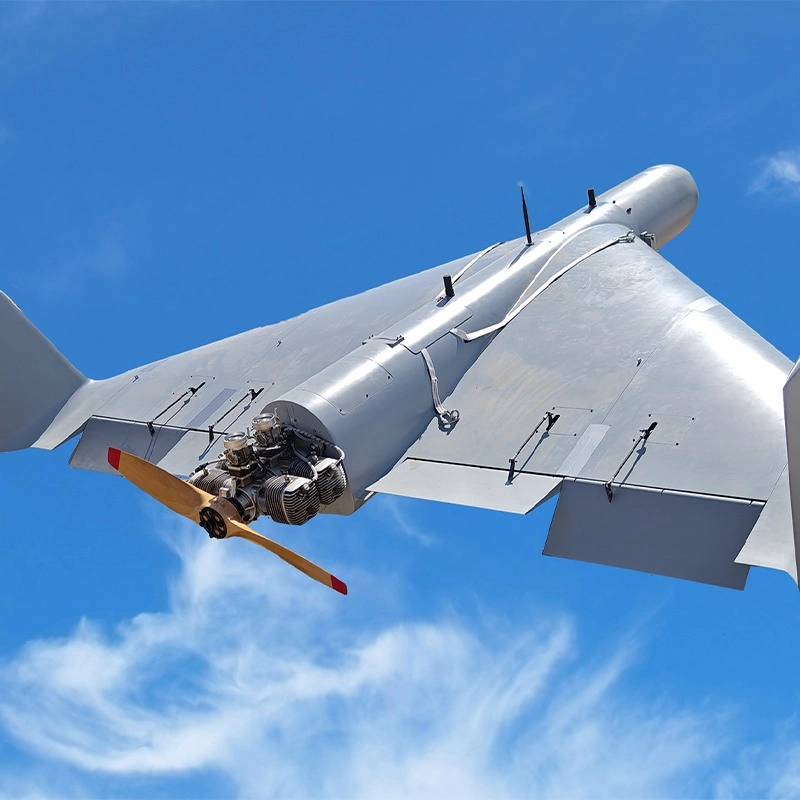
The Shahed-136 forms a central element in Iran’s approach to offset warfare. Configured as a delta-wing, expendable attack drone, it cruises near 185 km/h, integrates a 40-50 kg warhead, and reaches operational ranges between 1,000 and 2,500 km based on variant. Domestic production keeps unit costs between $20,000 and $50,000—orders of magnitude below equivalent cruise missiles. Minimal radar signature combined with nap-of-the-earth profiles delays reliable detection until late phases of flight.
Deployed as swarms, the Shahed generates overwhelming numerical pressure: tightly sequenced waves intermixed with decoys and quicker ordnance compel defenders to allocate assets across an expansive threat envelope. The Mohajer-6 augments this profile through dedicated reconnaissance and targeted strike functions, supported by enhanced sensor suites for accurate designation. Iterative refinements drawn from active regional engagements have refined swarm synchronization and low-level ingress techniques.
Observed patterns across conflicts illustrate saturation achieving results primarily via economic leverage—defenders rapidly consume premium interceptors while the attacker replenishes at negligible marginal cost. Within a Persian Gulf context, reduced reaction timelines and constrained sea space exacerbate the problem, converting carrier strike group advantages into vulnerabilities when threats converge in volume from disparate directions. Iranian Shahed drone swarms in saturation attacks thrive on precisely this imbalance, compelling disproportionate resource allocation from defending forces.
Limitations of Traditional US Navy Multi-Layered Defenses Against Saturation
Carrier strike groups maintain a comprehensive, graduated defensive posture. Aegis destroyers furnish extended-range detection and kinetic engagements through SM-6 and ESSM families. Terminal-layer systems—Phalanx CIWS alongside Rolling Airframe Missiles—neutralize penetrators, while HELIOS directed-energy weapons deliver instantaneous, inventory-independent effects on diminutive targets. Electronic attack assets from Growler platforms sever guidance datalinks and introduce deception into enemy sensors.
Saturation nevertheless uncovers fundamental shortcomings. Interceptor rounds command multimillion-dollar price points; opposing drones fall into the tens-of-thousands range. Sustained engagements empty magazines at accelerated rates, and systems engineered for high single-shot kill probabilities exhibit degraded performance amid concurrent, multi-vector inbound tracks. Theater-specific geography further constrains options, curtailing evasion margins and compressing detection-to-engagement windows.
The imbalance sharpens when opponents sustain economical production of expendable platforms. Conventional architectures manage discrete salvos effectively yet encounter scaling difficulties against sheer quantity, necessitating a pivot to distributed, economically viable counters. Abraham Lincoln defense against Shahed saturation attacks exemplifies these boundaries, where economic asymmetry and threat density strain established layered architectures.
The Navy’s 2026 Hedge Strategy: Tailored Forces and Offsets Explained
Adm. Caudle characterized the hedge strategy as a realistic accommodation of constraints—industrial throughput, fiscal allocations, and mission requirements—while safeguarding core lethality and adaptability. It juxtaposes sophisticated multi-role platforms against tailored forces: purpose-built units aligned to regional contingencies—and tailored offsets: expendable unmanned surface vessels, medium unmanned surface vessels, unmanned underwater vehicles, and volume-oriented, low-cost interceptors.
Offsets function as force extenders. Commanders avoid dedicating carriers to every contingency by fielding risk-tolerant assets that provide early warning, expand sensor horizons, and absorb opening salvos. Unmanned platforms perform ideally in this capacity—extended standoff without personnel exposure, continuous persistence, and tolerable loss thresholds.
In application to Shahed swarms, hedge architecture anticipates outer defensive shells comprising attritable USVs fitted with detection suites and interceptors for standoff engagements. Economical drone interceptors achieve parity in numbers, while autonomous relays supply continuous tracking feeds to the strike group, thereby minimizing exposure of capital ships. The distributed construct mitigates centralized vulnerabilities and accommodates threat evolution. US Navy hedge strategy 2026 tailored offsets establish the doctrinal basis for addressing Iranian drone saturation attacks without exclusive dependence on premium platforms.
The approach augments rather than supplants carrier-centric power projection, employing unmanned offsets to enhance air wing utility and calibrate risk in irregular engagements.
Actionable Solutions for Countering Shahed Saturation Attacks in 2026
Immediate measures emphasize rapid improvements: expanding inventories of cost-effective interceptors, hastening fielding of directed-energy weapons for instantaneous engagements, and refining electronic warfare suites to interrupt control pathways at extended ranges.
Intermediate efforts prioritize accelerated incorporation of unmanned elements. Developmental MUSVs and USVs can accommodate counter-drone modules, establishing interconnected barriers that disseminate targeting information and synchronize effects. AI-enhanced sensor integration elevates track quality in cluttered domains, improving success rates against orchestrated inbound formations.
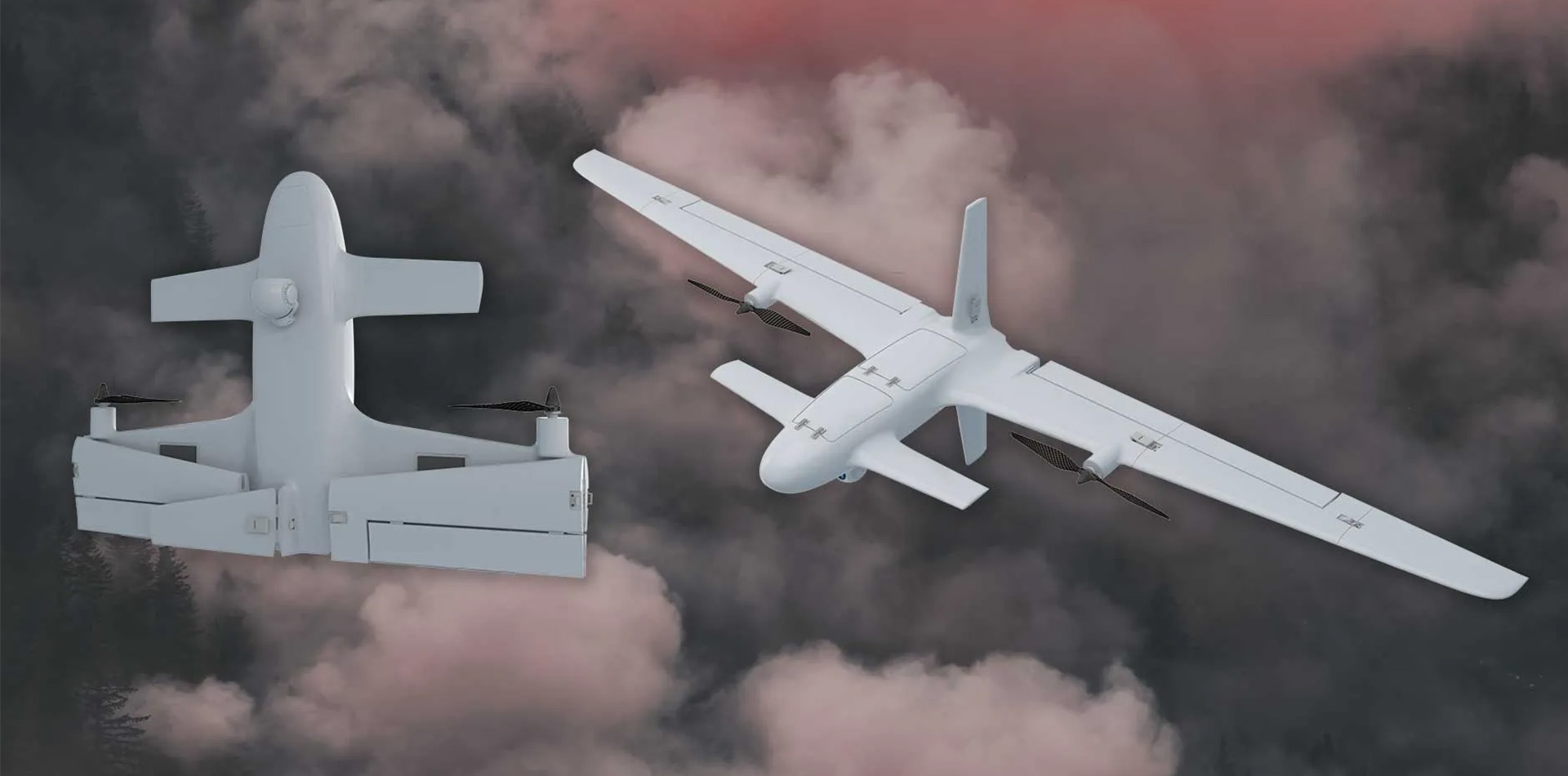
Extended horizons concentrate on durable, enduring platforms. Long-endurance unmanned aerial vehicles incorporating anti-interference architectures sustain surveillance in jammed environments via vision-inertial fusion navigation, attaining sub-meter positional fidelity. Platforms such as the Phantom Reaper X1500 long-endurance anti-jamming UAV exemplify this capability, offering 14-hour endurance, military-grade GPS/Beidou anti-jamming with quad-antenna inertial navigation, and AI-driven targeting for persistent operations in denied environments.
Heavy-payload variants enable flexible mission sets—ISR bridging, laser dazzle functions, or physical capture mechanisms—broadening protective envelopes absent frequent manned commitments.
These systems demonstrate robustness under harsh maritime conditions, featuring elevated wind tolerance and comprehensive environmental sealing. Jamming-resistant datalinks paired with autonomous decision loops minimize crew demands, while networked designs permit single nodes to direct multiple responses, addressing volumetric threats efficiently. How long-endurance UAVs counter drone saturation threats manifests clearly in such configurations, where sustained presence and adaptable effectors uphold defensive coherence.
Entities evaluating counter-UAS solutions place priority on validated anti-jamming performance—multi-element antenna arrays preserving connectivity during electronic attack—and modular effector suites that deliver non-kinetic neutralization with reduced collateral implications.
SKYPATH UAV: Delivering Mission-Ready Unmanned Solutions
SKYPATH UAV provides military-grade unmanned aerial vehicles and counter-UAS systems tailored for defense, governmental, and law enforcement requirements. Headquartered in Singapore with production and integration operations across Southeast Asia, the organization draws on a specialized engineering cadre comprising 13 PhD holders and 21 master’s-level specialists in AI pod integration and flight control disciplines, supporting monthly output of up to 1,000 units.
Platforms incorporate vision-inertial fusion for reliable navigation in contested domains, AI-driven targeting achieving high recognition precision, and jamming-resistant communication links. Heavy-lift and VTOL configurations accept varied payloads—from ISR instrumentation to counter-drone effectors—while preserving operational stability in challenging maritime and land-based settings.
Customers receive expedited worldwide delivery, configuration customized to specific missions, and dependable performance that reinforces layered protective measures in elevated-threat operational contexts.
Conclusion
Shahed drone swarms leverage pronounced cost asymmetries and numerical superiority to test carrier defensive postures, yet the Navy’s hedge strategy mitigates these pressures through tailored offsets and unmanned systems that diffuse risk and maintain operational efficacy. Sustained commitment to resilient, anti-interference platforms alongside scalable interceptors will define effective countermeasures in 2026 and subsequent years, safeguarding sea-based access against advancing threats.
FAQs
How does the US Navy hedge strategy counter Iranian Shahed drone swarms in 2026?
The hedge strategy complements carrier strike groups with tailored unmanned offsets—attritable USVs, economical interceptors, and persistent platforms—to manage saturation attacks cost-effectively while retaining high-value assets for primary roles.
Why do Shahed drone saturation attacks pose a credible threat to aircraft carriers?
Shahed platforms deliver low unit cost, substantial range, and reduced observability, permitting adversaries to generate high-volume waves that exhaust interceptor reserves and strain multi-layered defenses via synchronized arrival and vector diversity.
How do long-endurance UAVs support defenses against drone saturation threats?
Long-endurance UAVs fitted with anti-interference navigation and interchangeable payloads furnish ongoing ISR, facilitate targeting data relay for engagements, and implement non-kinetic options, expanding protective reach without recurrent manned operations.
Why is anti-jamming essential for unmanned systems in saturation attack scenarios?
Opposing forces employ electronic warfare to degrade communications; anti-jamming capabilities—multi-antenna configurations and inertial fusion—sustain platform independence and operational capacity against swarm maneuvers in electronically contested airspace.
What function do tailored offsets serve in the Navy’s 2026 hedge strategy against asymmetric threats?
Tailored offsets furnish scalable, expendable capacity through unmanned platforms, enabling commanders to address high-consequence risks such as drone swarms while conserving carrier strike group resources for decisive tasks.

Main Products
Our Main Products
At SkyPath we develop cutting-edge drones for every situation. Please browse our products.
Contact Us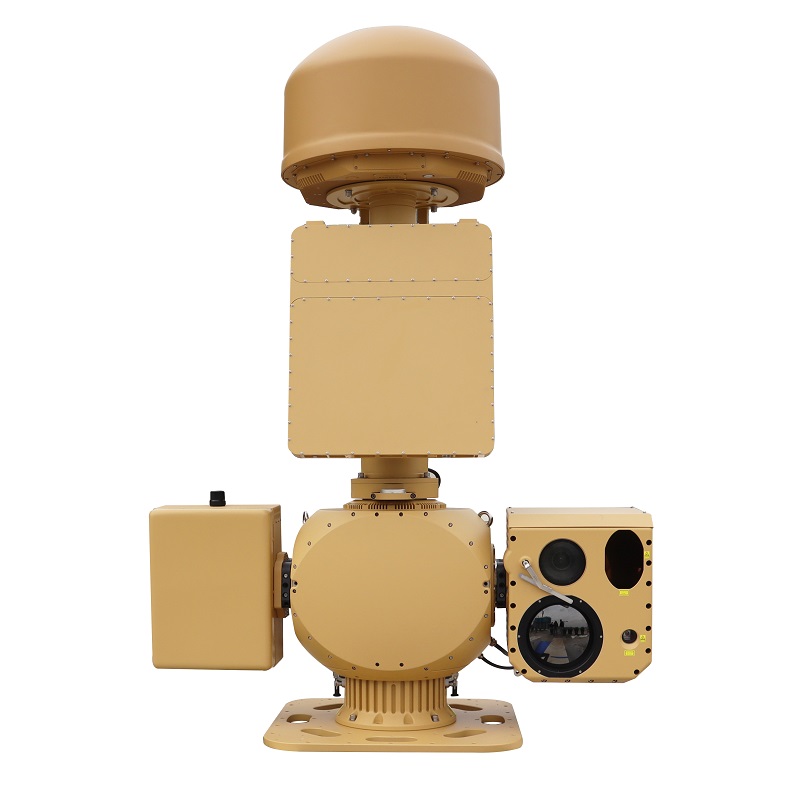
AUS70 Heavy-Duty Integrated C-UAS System
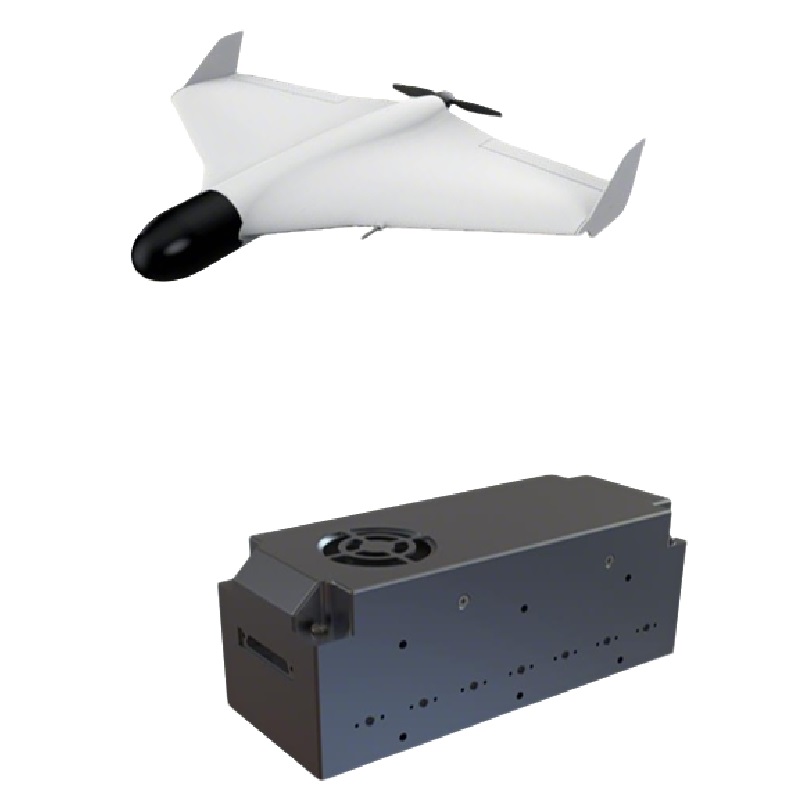
Anti-Drone Jammer Seeker
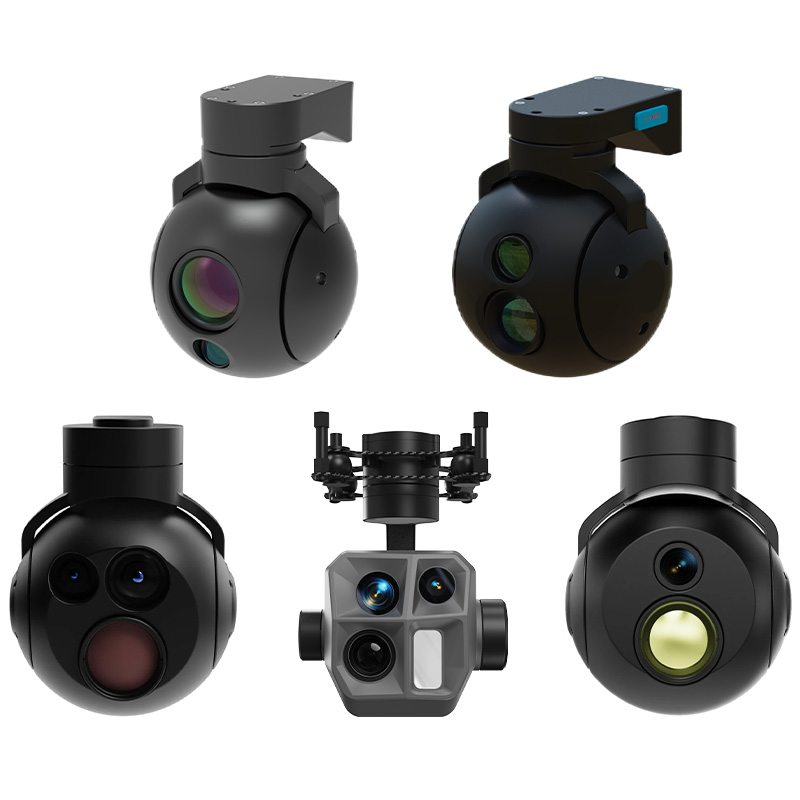
AD SERIES
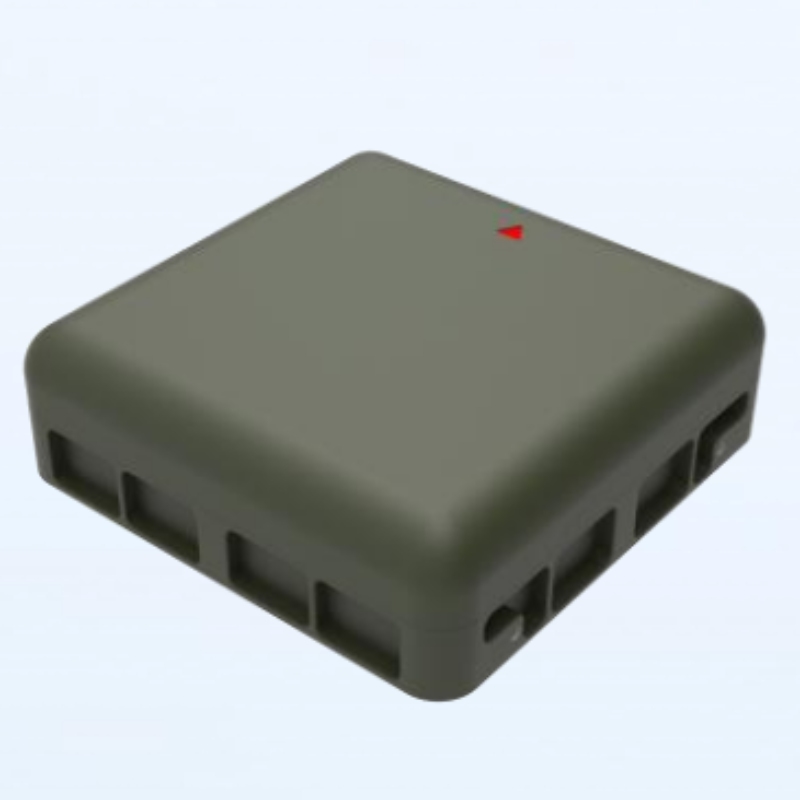
Anti-jamming antenna AJ410
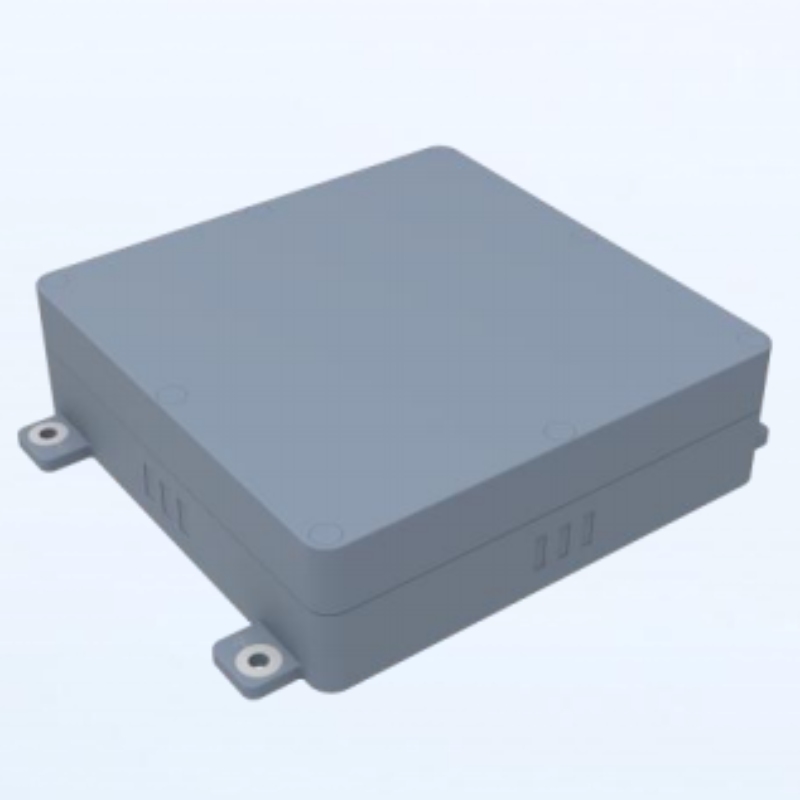
Anti-jamming antenna AJ440
Radar Absorbing Agents