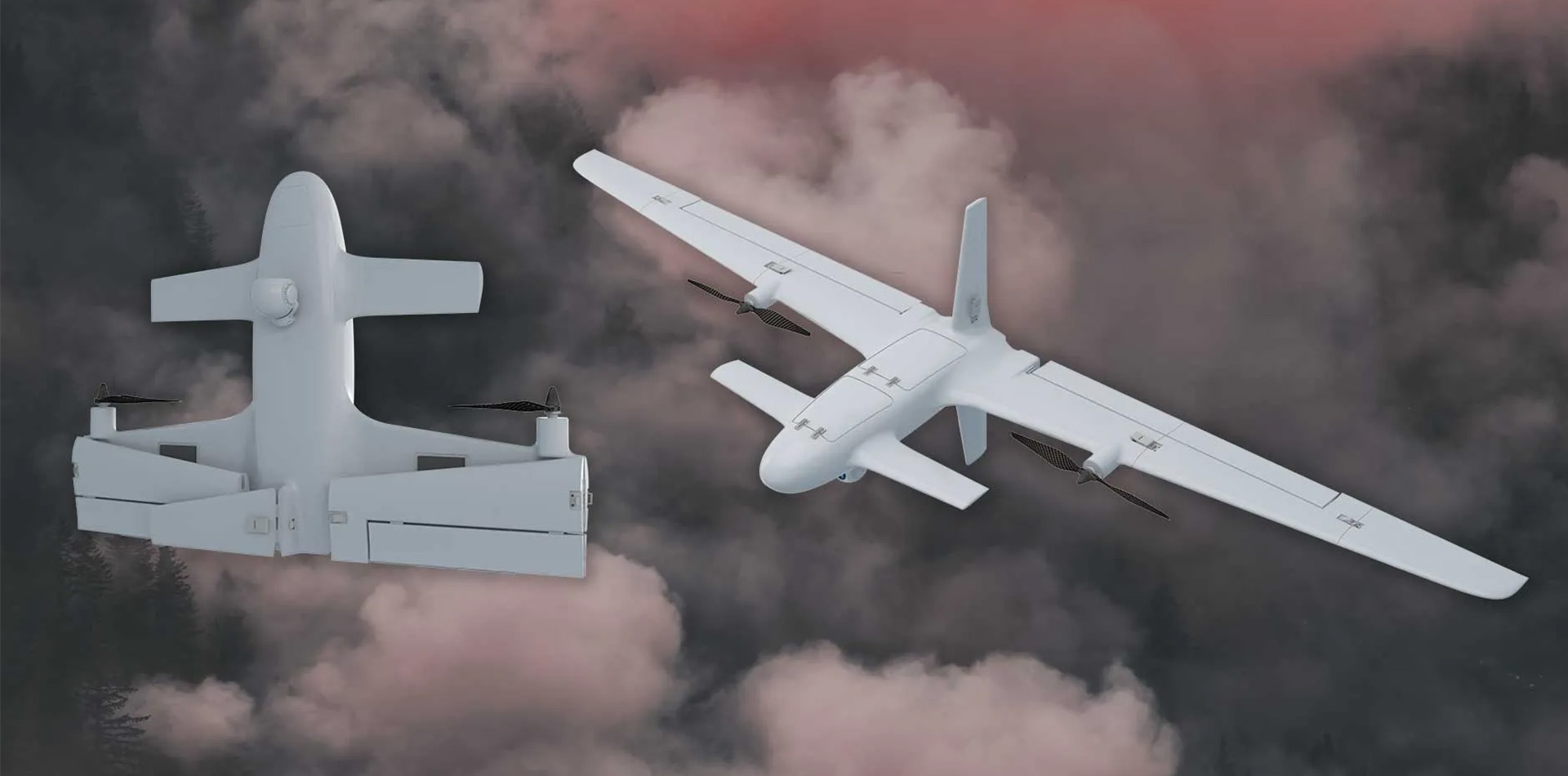
Radar and optoelectronic combined detection solving the early warning problem of RCS 0.01m² targets
 author
 - 27th March 2026
Phased array radar plays a key role in identifying and tracking low-RCS targets in real-world scenarios. These targets often include stealth aircraft, drones, or small UAVs that pose threats in modern air defense. For instance, in counter-drone operations, such radars help detect low, slow, and small unmanned aerial vehicles that traditional systems might overlook. Its electronically steered beam enables fast sweeps across wide zones. No mechanical parts need to move. This feature supports immediate monitoring of quick-moving items. Ku/X-band phased array radar systems perform reliably for spotting objects at medium to high elevations. They provide consistent surveillance up to 8 km. These units adjust beam paths and signal patterns quickly. Consequently, they maintain a secure lock on compact objects that reflect minimal energy. In practice, this capability proves essential for defending against unauthorized drones infiltrating restricted airspace.
However, relying solely on radar encounters difficulties in locating targets with an RCS as low as 0.01 m². Such devices produce extremely weak returns. These returns frequently blend into background clutter or atmospheric disturbances. Advanced signal processing techniques, though effective, can struggle in crowded electromagnetic conditions. There, numerous reflections and interferences occur simultaneously. Thus, radar-only setups may suffer from decreased reliability. They could also encounter higher rates of incorrect detections when addressing elusive aerial risks, such as small drones evading detection in urban environments.
The Contribution of EO/IR Sensors to Target Detection
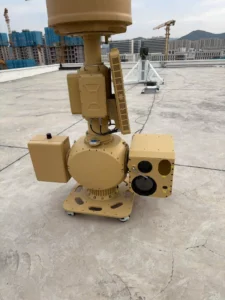
Electro-optical (EO) and infrared (IR) sensors work well alongside radar. They provide non-active detection methods independent of radio wave reflections. These tools capture visual and heat signatures that targets emit or bounce back. As a result, they excel at managing objects with reduced radar visibility. A hemispherical optoelectronic radar configuration integrates long-wave infrared and television channels in dual-mode imaging. This arrangement serves effectively for examining medium- and low-altitude areas overlooked by radar, within 2 km. In counter-UAV efforts, such sensors detect thermal traces from drone motors, aiding in early identification of slow-moving threats near the ground.
Moreover, EO/IR sensors handle scenarios effectively where radar performance dips. This includes times of electronic jamming or cluttered terrain settings. Infrared imaging identifies warmth from propulsion systems or body heat, despite faint radar echoes. At the same time, optical components deliver sharp visuals for target categorization and recognition. These qualities position optoelectronic systems as crucial elements for improving detection confidence across different operational contexts, particularly in defending against low-altitude drone incursions.
What Are the Challenges in Detecting RCS 0.01m² Targets?
Locating targets with an RCS of 0.01 m² involves substantial technical obstacles. The root cause lies in their limited reflected power. Extracting subtle echoes amid noise requires robust signal management tools. Examples encompass improved filters, adjustable threshold settings, and techniques for integrating signals coherently. Additionally, setups call for highly responsive receivers and precise alignment to sustain detection strength over extended ranges. In the context of anti-drone defense, these challenges intensify when small UAVs operate at low speeds and altitudes, where their signatures mimic birds or debris.
Furthermore, clutter represents a primary concern. It arises from undesired echoes off terrain, buildings, foliage, or ocean waves. Such interferences often mask signals from diminutive targets. Intelligent approaches, including constant false alarm rate (CFAR) processing and Doppler discrimination, assist in separating authentic targets from false ones. Nevertheless, their success hinges on stable environmental factors and accurate calibration. For low, slow, small drones, effective clutter rejection becomes vital to prevent misses in populated or natural areas.
Environmental Factors Affecting Detection Accuracy
Atmospheric elements, like humidity, precipitation, fog, and temperature variations, influence the operation of both radar and EO/IR systems. In Ku/X-band radars, intense rain leads to wave absorption or dispersion. This reduces detection distance and signal clarity relative to noise. Similarly, optical devices face reduced visibility from dust or overcast skies that obstruct line-of-sight paths. Real-world drone defense scenarios often see these effects in rainy or foggy weather, complicating the pursuit of small threats.
External interferences also heighten the risk of erroneous warnings. Bounces from rustling vegetation or artificial heat sources may imitate target profiles in IR views. Therefore, sound system architecture incorporates adaptive environmental models. These modify detection criteria using live atmospheric information. In turn, they ensure consistent performance. For countering low-altitude drones, such adaptations help maintain vigilance despite variable weather, safeguarding critical infrastructure from unauthorized flights.
How Can Radar and Optoelectronic Systems Be Integrated?
Combining radar and EO/IR systems hinges on alignment strategies for data collection schedules. The two platforms must synchronize their acquisition times. Through coordinated scanning routes and overlapping fields of regard, the unified system observes identical regions concurrently. This alignment facilitates efficient cueing mechanisms. In particular, radar detections cue EO/IR targeting for verification or identification. In anti-drone applications, this integration allows radar to initially spot a small UAV, prompting optical confirmation to assess intent.
Data merging serves as a core strategy too. It consolidates inputs from both sources into a cohesive operational display. Fusion algorithms operating at various tiers integrate raw data, extracted features, or conclusive assessments. This process elevates detection assurance. Specifically, marginal radar indications receive corroboration from EO/IR visuals. Hence, it substantially diminishes ambiguity. Such fused approaches enhance defense against low, slow, small drones by providing layered verification in dynamic environments.
Benefits of Integrated Systems for Early Warning Solutions
An integrated radar-EO/IR framework delivers tangible advantages for proactive alert mechanisms against low-RCS hazards. It blends proactive microwave probing with unobtrusive optical monitoring. Consequently, these configurations achieve enhanced exactness. They further minimize spurious alerts stemming from ambient interference or signal jamming. In practice, this proves invaluable for countering drone swarms or single incursions targeting sensitive sites.
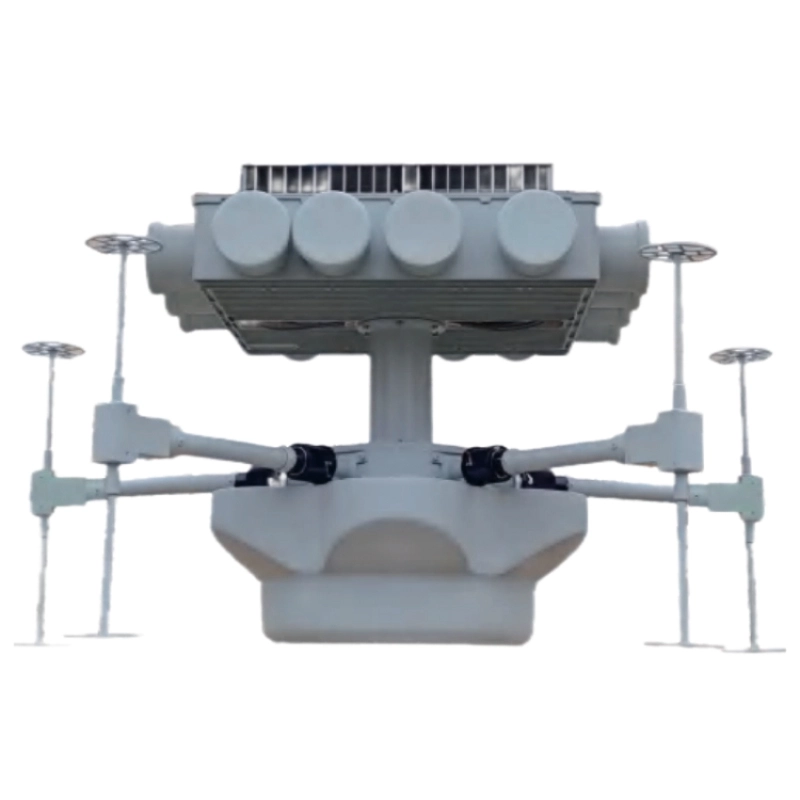
Integrating the extended coverage of Ku/X-band phased array radar with the fine-grained resolution of hemispherical EO/IR sensors yields comprehensive 360° oversight. It incorporates precise bearing determination via intelligent data synthesis protocols. This tiered structure guarantees persistent surveillance across elevation levels. It spans elevated monitoring to proximate surface blind spots. Ultimately, it establishes a robust barrier for timely notifications regarding concealed aerial penetrations, bolstering overall drone defense strategies.
Why Is Skypath a Reliable Supplier for Radar Solutions?
Skypath has earned a solid reputation as a trustworthy provider of advanced radar equipment. This addresses contemporary air protection demands, including low-RCS identification. The company’s lineup features superior phased array radars tuned for Ku/X-band operations. They ensure dependable spotting over distances reaching 8 km for objects at medium to elevated altitudes. Skypath’s solutions directly support real-world needs, such as detecting and neutralizing low, slow, small drones in urban or border settings.
The engineering prowess at Skypath extends beyond physical components. It encompasses intelligent frameworks for data management. These facilitate seamless connections with optoelectronic elements. Their offerings prioritize adaptable modular components. This enables straightforward customization for diverse assignments. Whether in stationary deployments or portable configurations, they remain reliable across varied conditions. Such versatility makes Skypath ideal for integrated counter-UAV systems that require quick adaptation to emerging threats.
Innovations by Skypath in Phased Array Radar Technology
Skypath advances phased array technology through initiatives like digital beamforming (DBF), adaptable signal modulation, and multi-path receiver designs. These improvements heighten responsiveness to low-reflectivity entities. The developments permit accurate directional measurements and swift multi-object pursuit. This remains effective amid heavy interference. In drone defense contexts, these innovations enable systems to track erratic, low-speed UAVs without losing focus.
Furthermore, by incorporating these elements with hemispherical optoelectronic radars equipped with dual-mode long-wave infrared and television imaging modules, Skypath provides comprehensive fused alert platforms. They detect RCS 0.01 m²-level dangers in congested aerial domains. This occurs while upholding stable, ongoing functionality. Skypath’s approach ensures that defenses against small, slow drones incorporate both long-range radar and close-in visual tools for complete threat neutralization.
Conclusion: Addressing the Early Warning Problem with Combined Detection Systems
The pairing of phased array radar and EO/IR sensor technology offers a dependable resolution to the enduring difficulty of identifying low-RCS targets. Examples encompass stealth aircraft or miniature drones. Through harmonized functionality and astute data integration methods, they facilitate thorough 360° observation with refined directional precision. Fused systems deliver elevated situational insight. This element is indispensable for current protective infrastructures emphasizing prompt threat recognition. In the realm of anti-drone operations, this combined detection fortifies defenses against low, slow, small UAVs, ensuring safer skies through proactive measures.
FAQs on Radar and Optoelectronic Combined Detection
What is the advantage of using both radar and EO/IR sensors together?
Combining these systems enhances detection capabilities, especially for low-RCS targets, by utilizing the strengths of both technologies to improve accuracy and reduce false alarms.
How do environmental conditions affect radar and optoelectronic performance?
Environmental factors like weather, terrain, and atmospheric conditions can impact the effectiveness of both systems, potentially causing issues like signal degradation or increased noise.
Can existing radar systems be upgraded to include optoelectronic components?
Yes, many existing radar systems can be retrofitted with EO/IR components to enhance their detection capabilities, though this may require specific integration techniques and technology upgrades.

Main Products
Our Main Products
At SkyPath we develop cutting-edge drones for every situation. Please browse our products.
Contact Us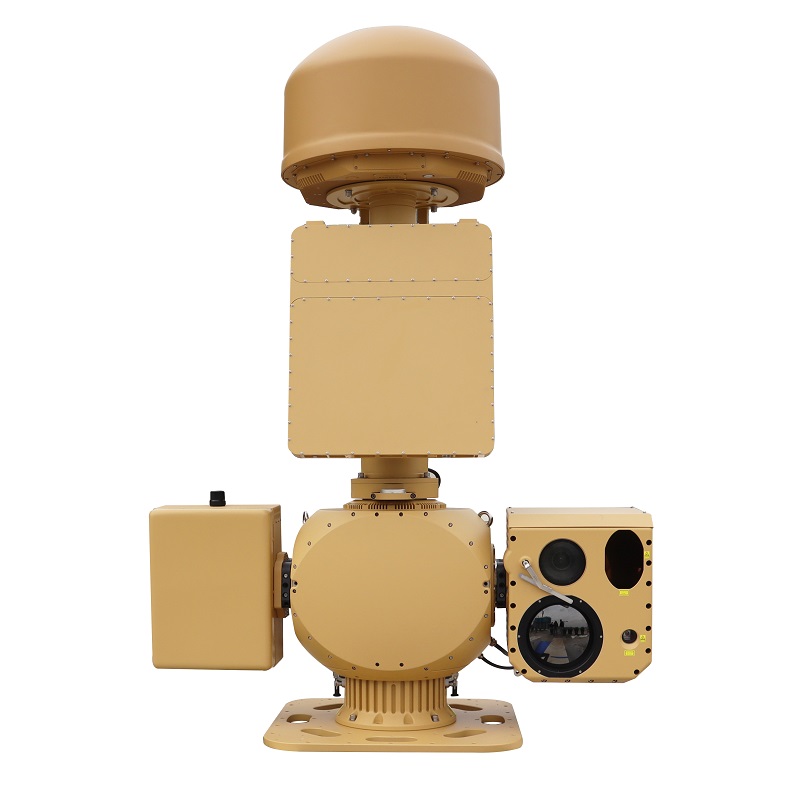
AUS70 Heavy-Duty Integrated C-UAS System
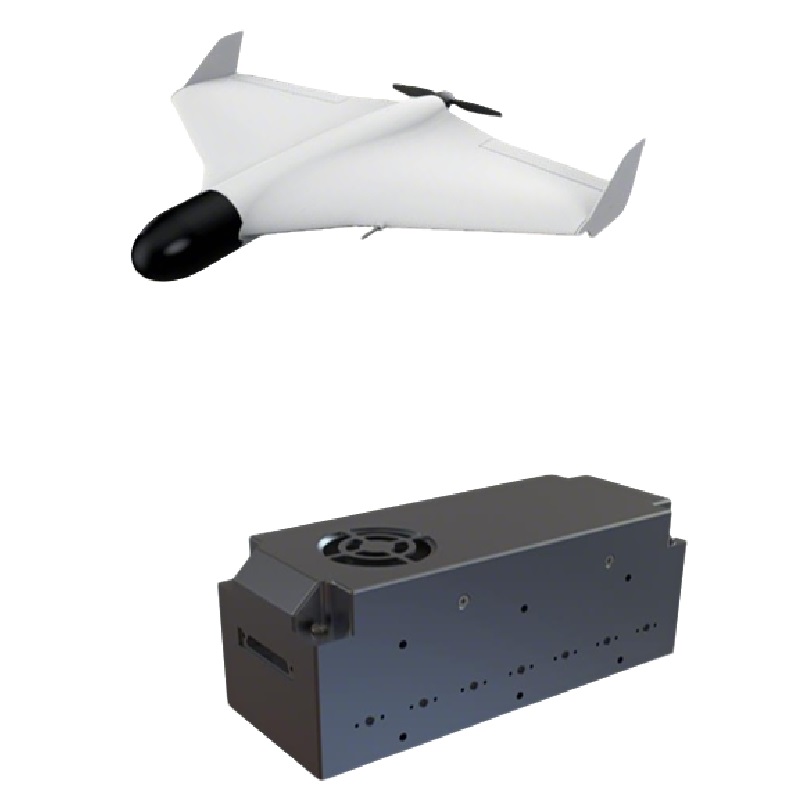
Anti-Drone Jammer Seeker
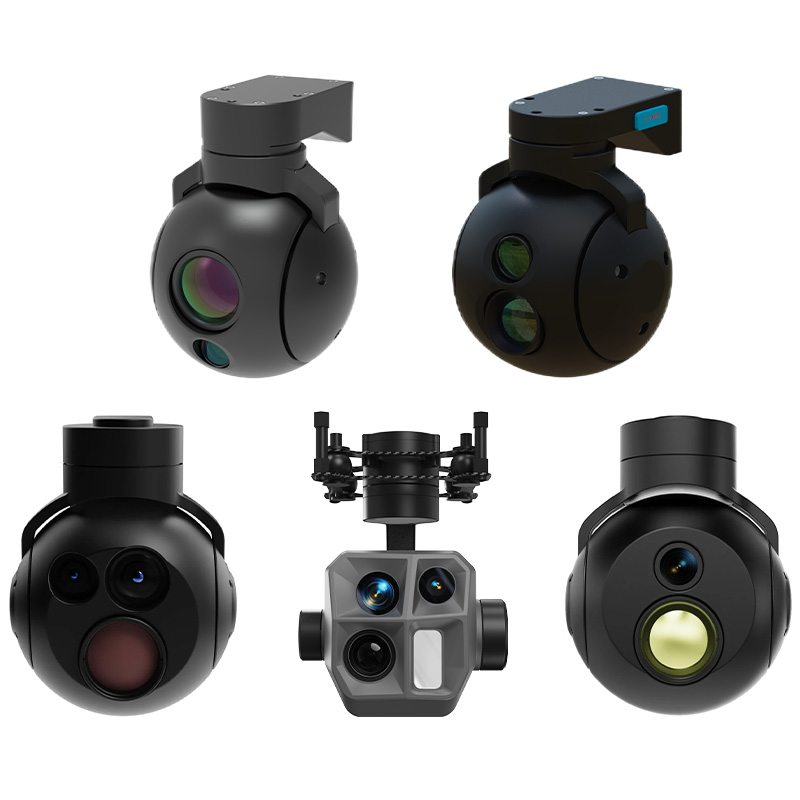
AD SERIES
Anti-jamming antenna AJ410
Anti-jamming antenna AJ440
Radar Absorbing Agents