Radar and optoelectronic combined detection solving the early warning problem of RCS 0.01m² targets
 author
 - 27th March 2026
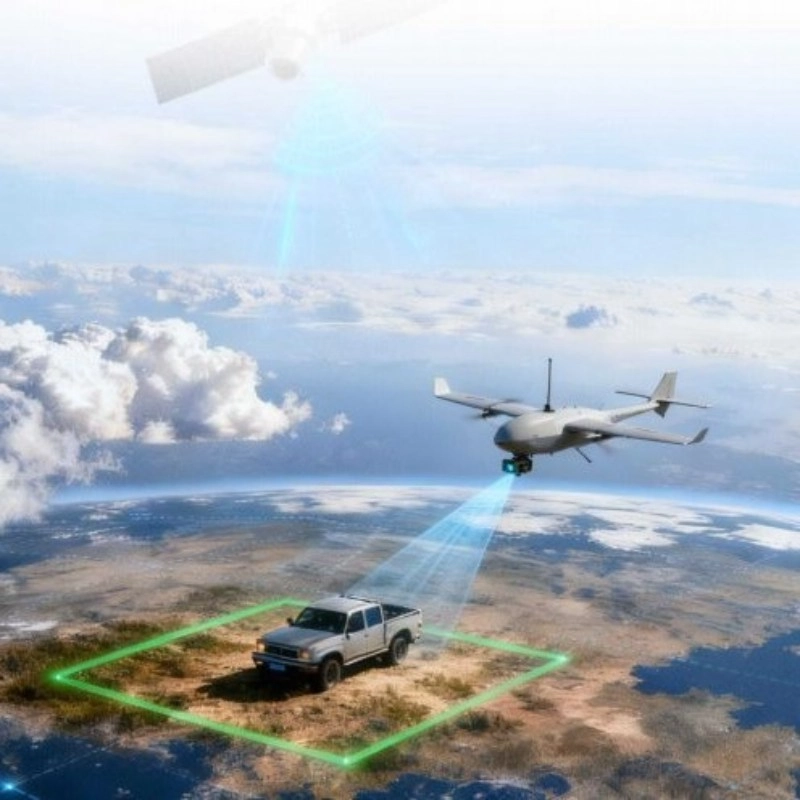
Phased array radar holds an important place in spotting and following low-RCS targets. These include stealth aircraft, drones, or small UAVs. Its beam, which steers electronically, permits quick scans over broad areas. There is no need for physical motion. This setup allows real-time tracking of speedy objects. Ku/X-band phased array radar systems work well for finding targets at medium to high altitudes. They offer steady watching up to 8 km. Such radars can change beam direction and waveform settings on the fly. As a result, they keep a firm hold on tiny targets that give back very little reflection.
Yet, radar by itself runs into problems when it comes to finding targets with an RCS as small as 0.01 m². These items send back very faint signals. Such signals often get hidden by clutter or noise from the air. Even strong methods for handling signals might face issues in busy electromagnetic settings. In those places, many echoes and disruptions happen at once. Therefore, systems that use only radar could see lower precision. They might also face more false alerts when dealing with hard-to-see flying dangers.
The Contribution of EO/IR Sensors to Target Detection
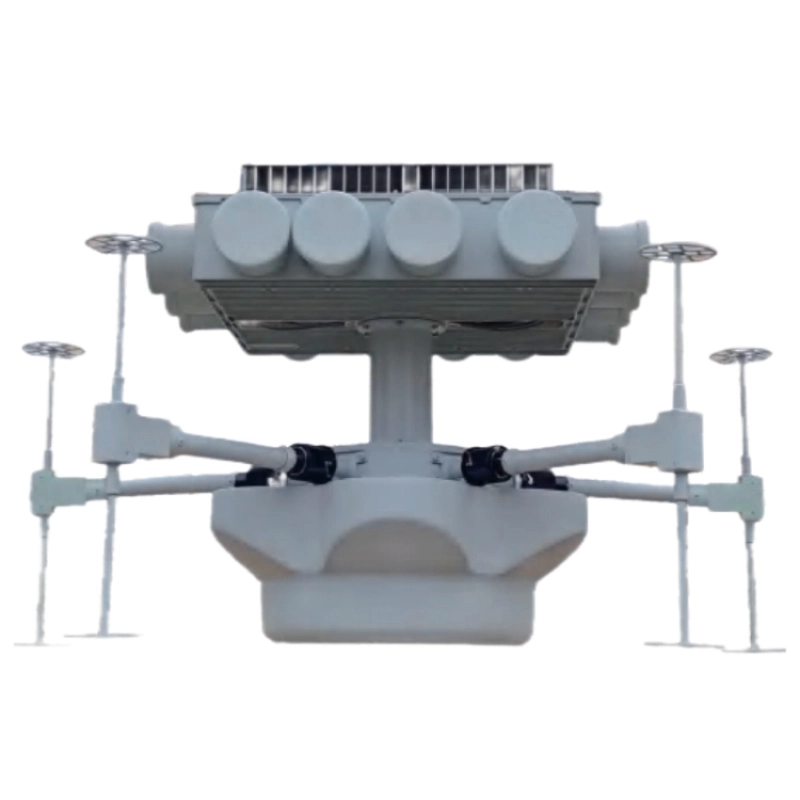
Electro-optical (EO) and infrared (IR) sensors pair nicely with radar. They offer passive ways to detect that do not rely on bounced radio waves. These sensors pick up optical and thermal signs that targets give off or reflect. This makes them very good at handling items with low radar bounce-back. A setup with hemispherical optoelectronic radar joins long-wave infrared and television in dual-mode imaging. It proves handy for checking medium- and low-altitude spots that radar misses, within 2 km.
EO/IR sensors also do a solid job in situations where radar might falter. For example, this happens during electronic disruptions or in messy ground areas. Infrared pictures can spot heat from engines or warm parts, even if radar signals are weak. Meanwhile, optical parts give clear images for sorting and naming targets. These traits make optoelectronic setups key for boosting detection trust in various working conditions.
What Are the Challenges in Detecting RCS 0.01m² Targets?
Finding targets with an RCS of 0.01 m² brings big technical hurdles. This stems from their tiny amount of bounced energy. To pull out weak echoes from background noise, signal handling needs strong tools. These include better filtering, flexible cutoff levels, and methods to combine signals smoothly. Systems also demand receivers with high sensitivity and careful setup to keep detection solid at far distances.
Clutter poses another key issue. It comes from unwanted bounces off land, structures, plants, or water surfaces. These can cover up signals from small targets. Smart methods like constant false alarm rate (CFAR) handling and Doppler sorting aid in telling real targets apart from clutter. However, how well they work relies on steady surroundings and exact system tuning.
Environmental Factors Affecting Detection Accuracy
Conditions in the air, such as moisture, rain, mist, and shifts in heat, affect how well both radar and EO/IR work. For radar in Ku/X bands, strong rain can weaken or spread out the waves. This cuts down the reach of detection and the strength of signals against noise. In the same way, optical sensors might lose clear views from haze or clouds that block direct sight.
Outside disruptions raise the chance of wrong alerts too. For instance, bounces from swaying plants or warm spots can look like target signs in IR pictures. So, good system planning must add models to handle the environment. These adjust detection levels based on current air data. Thus, they help keep accuracy steady.
How Can Radar and Optoelectronic Systems Be Integrated?
Linking radar and EO/IR systems depends on ways to match their timing for gathering data. Both platforms need to line up their collection moments. By matching scan paths and view areas, the joint system watches the same space at once. This matching supports quick pointing. Here, radar finds can direct EO/IR focus for checks or sorting.
Blending data stands as another main method. It pulls info from both sensors into one clear view of the situation. Algorithms for fusion at multiple levels mix basic readings, key traits, or final choices. This boosts overall trust in detection. In this way, faint radar signals get backed by clear views from EO/IR pictures. It greatly lowers doubt.
Benefits of Integrated Systems for Early Warning Solutions
A setup that joins radar and EO/IR brings real gains for early alert uses against low-RCS risks. It mixes active microwave checks with quiet optical watching. As a result, these systems gain better precision. They also cut down false alerts from air noise or electronic jams.
Merging Ku/X-band phased array radar’s far-reach watch with hemispherical EO/IR sensors’ close-up detail gives full 360° awareness. It includes sharp angle checks through smart data blending rules. This stacked design ensures ongoing watch over all heights. It covers from high-up checks to spots near the ground that are hard to see. In the end, it forms a full shield for early alerts against hidden flying threats.
Why Is Skypath a Reliable Supplier for Radar Solutions?
Skypath has built a strong name as a dependable source for cutting-edge radar tools. These tackle today’s air defense issues with low-RCS spotting. The firm’s range covers top-notch phased array radars set for Ku/X frequency work. They provide firm detection over long stretches up to 8 km for targets at medium to high heights.
Skypath’s skill in engineering goes past hardware advances. It reaches into smart setups for handling data. These aid smooth links with optoelectronic parts. Its answers stress flexible building blocks. This lets them fit various tasks easily. From set spots to moving units, they stay dependable in many working settings.
Innovations by Skypath in Phased Array Radar Technology
Skypath keeps pushing forward in phased array tech. It does this with steps like digital beamforming (DBF), flexible waveform guidance, and setups with many receiver paths. These raise sharpness for items with low bounce-back. Such progress allows exact angle checks and fast following of many targets. This holds true even in thick clutter.
By joining these steps with hemispherical optoelectronic radars that have dual-mode long-wave infrared plus television imaging parts, Skypath offers full blended early alert systems. They can spot threats in the RCS 0.01 m² group within busy skies. All this comes while keeping steady real-time work.
Conclusion: Addressing the Early Warning Problem with Combined Detection Systems
The mix of phased array radar and EO/IR sensor tech gives a solid fix for the ongoing issue of spotting low-RCS targets. Think of stealth aircraft or tiny drones. With matched running and smart data blending rules, they enable full 360° watch with fine angle detail. Integrated systems bring top-level awareness. This proves vital for today’s defense setups that focus on spotting threats early.
FAQs on Radar and Optoelectronic Combined Detection
What is the advantage of using both radar and EO/IR sensors together?
Combining these systems enhances detection capabilities, especially for low-RCS targets, by utilizing the strengths of both technologies to improve accuracy and reduce false alarms.
How do environmental conditions affect radar and optoelectronic performance?
Environmental factors like weather, terrain, and atmospheric conditions can impact the effectiveness of both systems, potentially causing issues like signal degradation or increased noise.
Can existing radar systems be upgraded to include optoelectronic components?
Yes, many existing radar systems can be retrofitted with EO/IR components to enhance their detection capabilities, though this may require specific integration techniques and technology upgrades.

Main Products
Our Main Products
At SkyPath we develop cutting-edge drones for every situation. Please browse our products.
Contact Us
AUS70 Heavy-Duty Integrated C-UAS System
Anti-Drone Jammer Seeker
AD SERIES
Anti-jamming antenna AJ410
Anti-jamming antenna AJ440
Radar Absorbing Agents