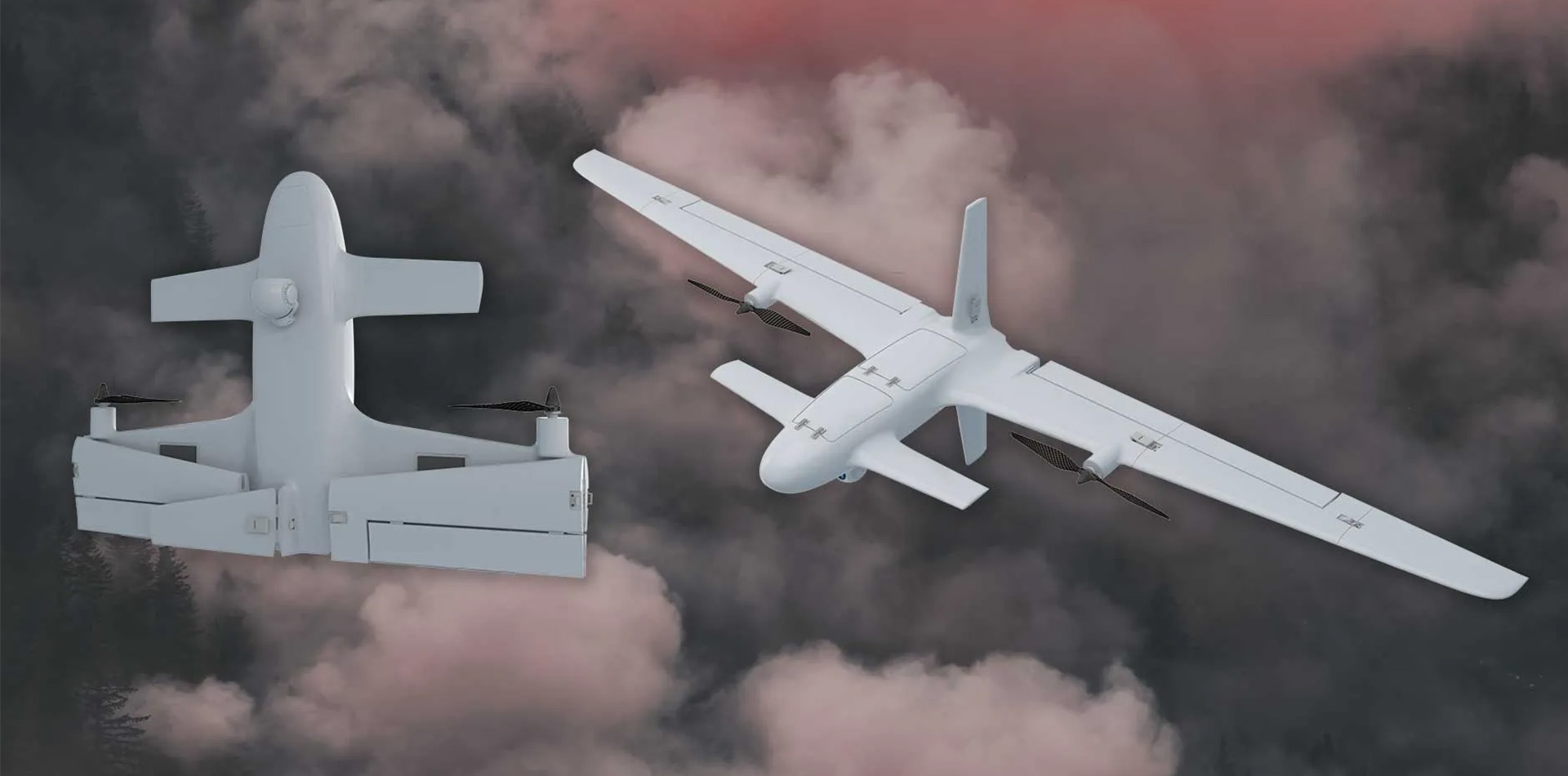
SkyPath’s Complete Anti Shahed136 System How to Effectively Combat Drone Attacks
 author
 - 3rd April 2026
SkyPath’s Anti Shahed136 System marks a fresh wave of protective gear aimed at tackling the rising dangers from drone strikes. In today’s battles, cheap, far-reaching drones like the Shahed-136 pose a major challenge. They can strike with accuracy and overload old-school air defenses. This happens because of their tiny radar footprint and ability to attack in groups. SkyPath’s setup offers a full, step-by-step defense. It blends sharp radar spotting, smart AI for following targets, and direct hits using compact rockets.
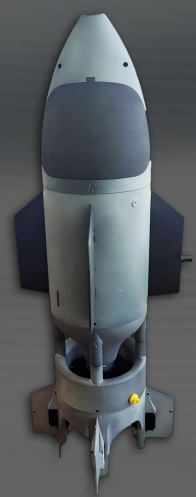
The system runs in two main ways. First, ground radar picks out and follows any approaching enemy drone. Second, a compact rocket takes off to chase it. When the rocket gets close, it deploys its explosive payload to destroy the drone. Such a direct takedown boosts success rates. At the same time, it cuts down on side effects.
Working Mechanism of the Anti Shahed136 System
The process starts with SkyPath’s exact radar sweeping the sky for risks. It spots an item that fits the profile of a foe UAV. Then, the system locks on right away.It uses smart algorithms boosted by AI. These tools tell real dangers apart from mix-ups like birds or friendly drones. The radar info gets handled on the spot. This lets decisions for firing happen fast.
Once it detects the threat, a small rocket shoots toward where the target will likely go. The rocket has its own guide setup. It keeps tweaking its route based on fresh radar updates and AI forecasts. As it nears the drone, the rocket itself activates its warhead. The rocket carries blasts. It makes small fixes to its path with its own drive. Finally, it blows up close to the enemy drone. A proximity fuze sets it off. This way, it knocks out the danger without needing to smash right into it.
This approach beats older anti-drone tools that count only on bumps or signal blocks. SkyPath mixes direct action with smart aiming from AI. As a result, it works well against quick and tricky drones such as the Shahed-136.
To break it down further, the radar first scans a wide area. It identifies potential threats quickly. The AI then analyzes the data. It confirms if the object is hostile. Once locked, the launch sequence begins. The rocket accelerates rapidly. It follows the predicted path of the drone. Updates come in constantly. This keeps the pursuit accurate. Near the end, the fuze triggers the explosion. The blast radius covers the target effectively. This method ensures reliable results even in tough conditions.
Key Advantages of SkyPath’s Anti Shahed136 System
1. Exceptional Control Flexibility
SkyPath’s build focuses on easy handling in various fight zones. The command setup lets quick changes in path and pace while chasing. Thus, it catches even nimble or twisting drones with success.
2. Advanced Gimbal Camera Integration
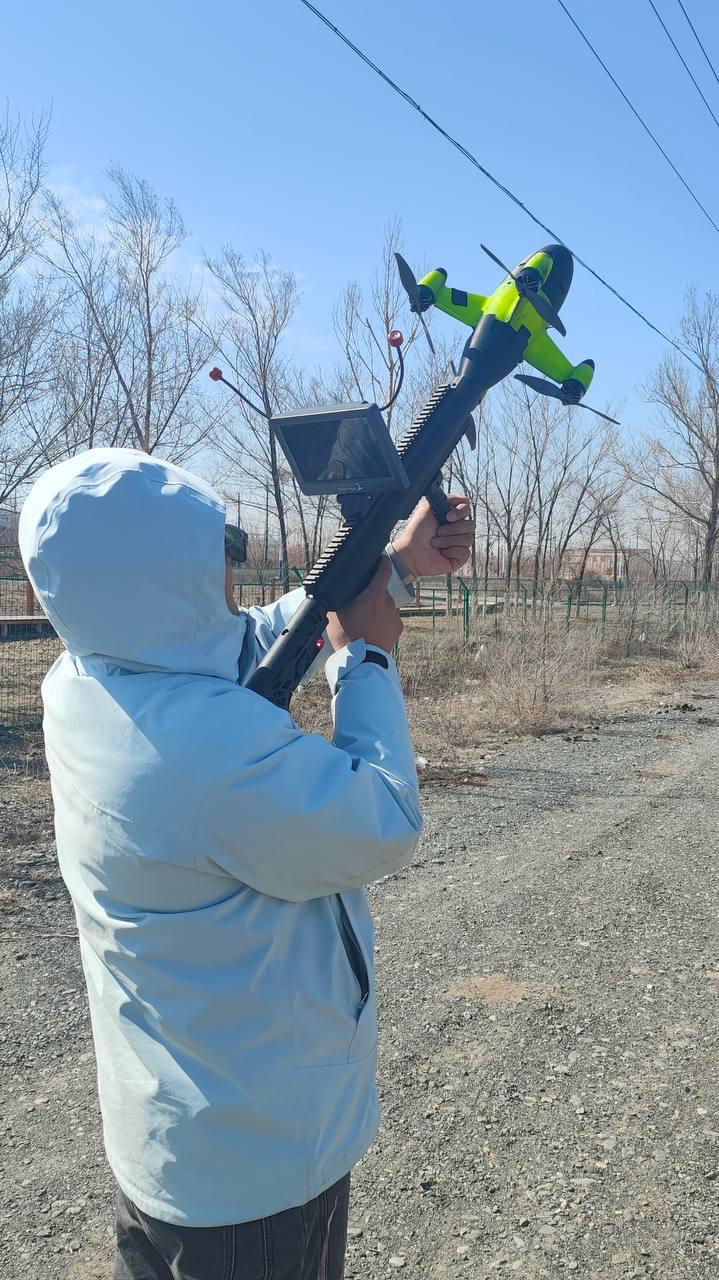
Many current setups use fixed cameras. These often lose sight of targets in fast chases. SkyPath picks gimbal-fitted cameras instead. They keep steady tracking. The setup holds visual grip even with lots of motion. This raises the trust in aiming a lot.
3. Explosive Interception Efficiency
Standard anti-drone ways usually go for straight hits or net traps to stop UAVs. Yet, these face limits in hit precision. They also might leave junk behind. SkyPath’s plan uses the rocket’s warhead to go off near the goal. It raises the chance of a full stop through managed breaks. Plus, it saves power per fight.
4. Precision Radar Positioning
At the core of SkyPath’s system sits its radar web. It nails down drone spots with great detail. This clear radar not only finds small sky objects. It also keeps tabs on them over different heights and speeds. Within moments, it builds a full view of sky risks.
5. AI-Powered Target Locking
SkyPath adds a sharp AI method. It’s trained on big sets of fake and real drone fights. This method allows forward-looking follows. It guesses dodges by foe UAVs. The lock stays until the takedown works. In the end, it speeds up replies. It also eases the load on handlers in tense spots with many threats at once.
Interception Methodology Summary
SkyPath’s takedown plan ties together three vital techs: electric ducted fan rockets, AI target locking, and proximity fuze detonation.
- Electric Ducted Fan Rockets: These small drive parts give steady push with low noise marks. They allow quiet chase jobs against foe drones.
- AI Target Locking: The built-in brain net handles info from radar and sight sources. It sharpens aim details as things change.
- Proximity Fuze Detonation: This sets off the blast when close enough to kill. It boosts full-stop odds. At the same time, it cuts costs per takedown.
To expand on the interception process, consider how the electric ducted fan rockets operate in detail. They provide reliable propulsion that’s both efficient and quiet. This stealth aspect helps in avoiding early detection by the enemy drone’s sensors. Meanwhile, the AI target locking draws from a wide range of data inputs. It processes radar signals alongside visual feeds to create a precise target profile. This ensures the system doesn’t waste efforts on non-threats. Finally, the proximity fuze detonation adds a layer of safety and effectiveness. It activates only when the interceptor is within a set distance, say a few meters, guaranteeing a destructive blast radius without needing pinpoint contact. Overall, this combination makes the system adaptable to various scenarios, from open skies to cluttered urban areas.
In practice, the rockets launch from mobile platforms. They reach high speeds quickly. The fans keep them stable. This design cuts fuel use. It also lowers the chance of failure. Teams can reload fast for back-to-back launches.
SkyPath’s Competitive Edge in Counter-Drone Technology
SkyPath shines in the defense field thanks to its solid know-how in blending sensors and self-guide systems. Its dev groups have crafted unique code bases. These tie radar flows, sight pictures, and learning machine engines smoothly. All this runs on on-site compute gear for very quick handling.
On top of that, SkyPath holds firm ties with air parts makers. This ensures each piece—from drive units to blast packs—gets made under tough quality rules.
While rivals stick to one-level, SkyPath gives a whole package. It covers spot-to-wipe skills in a single base. That’s a big stand-out in today’s anti-UAV fight plans.
Diving deeper into what sets SkyPath apart, their sensor fusion stands out as a core strength. By merging data from multiple sources in real time, the system creates a unified threat assessment. This is crucial in environments where drones might fly low or use terrain for cover. Their autonomous guidance also reduces the need for constant human input, allowing operators to focus on broader strategy. In essence, SkyPath’s approach evolves with the threats, incorporating feedback from field tests to refine algorithms continually.
Conclusion
SkyPath’s full Anti Shahed136 System reshapes how countries guard against growing drone hits. It blends exact sensing, clever control codes, and fresh direct takedown ways into one solid base. With its special mix of compact rockets using electric ducted fans and warheads, guided by AI-boosted radar follows, it brings top-notch steadiness against hidden UAV pushes.
Its easy handling, forward sight tech, blast-based takedown plan, exact radar pinning, and smart threat grabs all together set it as a top anti-drone tool out there. It handles both now and coming sky dangers well.
To wrap up the benefits, this system not only counters the Shahed-136 effectively but also sets a benchmark for future defenses. Nations facing asymmetric threats can rely on its proven track record in simulations and early trials. The integration of AI ensures it adapts to new drone tactics, keeping defenses ahead of the curve. Ultimately, SkyPath delivers a solution that balances cost, performance, and safety in high-stakes operations.
Looking ahead, updates will address new challenges. SkyPath commits to innovation. This keeps the system relevant. Users benefit from long-term support and upgrades.
FAQs
1. How does SkyPath’s Anti Shahed136 System differ from traditional anti-drone systems?
Old systems often lean on signal jams or body clashes to halt drones. SkyPath, however, uses a blend of rocket-based explosive intercepts guided by AI-boosted radar follows. This brings better output and steadiness in takedown tasks.
2. How does the AI contribute to the effectiveness of SkyPath’s Anti Shahed136 System?
The AI plays a central role by enabling smart target discrimination, predictive tracking, and rapid decision-making. It distinguishes real threats from birds or friendly drones, anticipates evasive maneuvers by enemy UAVs like the Shahed-136, and continuously updates the interceptor’s path using real-time radar and visual data.
3. What type of maintenance does the system require?
Regular upkeep mainly covers tune-ups for radar parts, checks for drive sections in compact rockets, and code refreshes for AI methods. These keep things sharp under shifting work setups.

Main Products
Our Main Products
At SkyPath we develop cutting-edge drones for every situation. Please browse our products.
Contact Us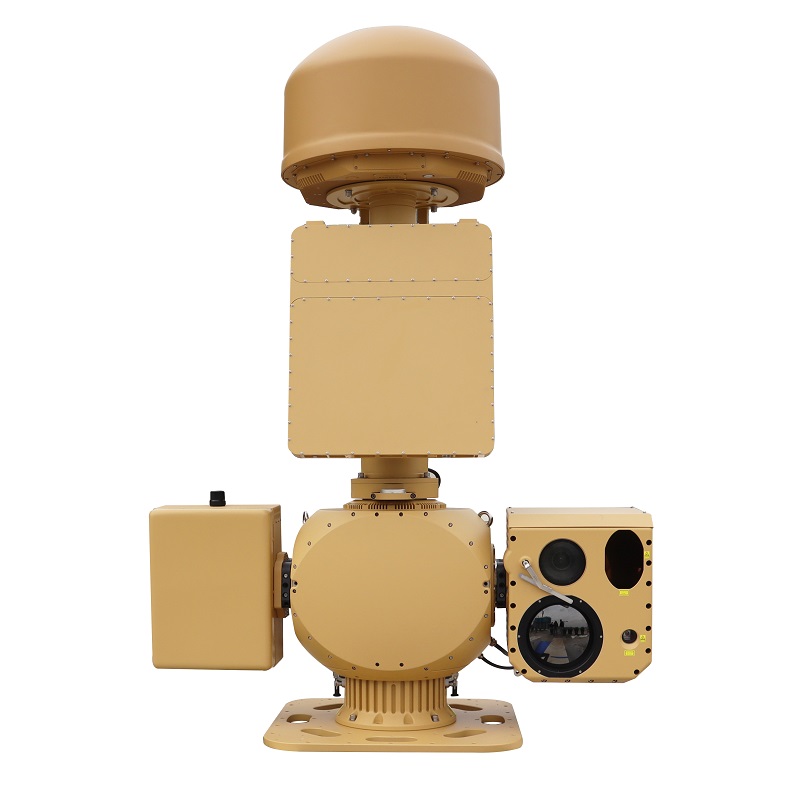
AUS70 Heavy-Duty Integrated C-UAS System
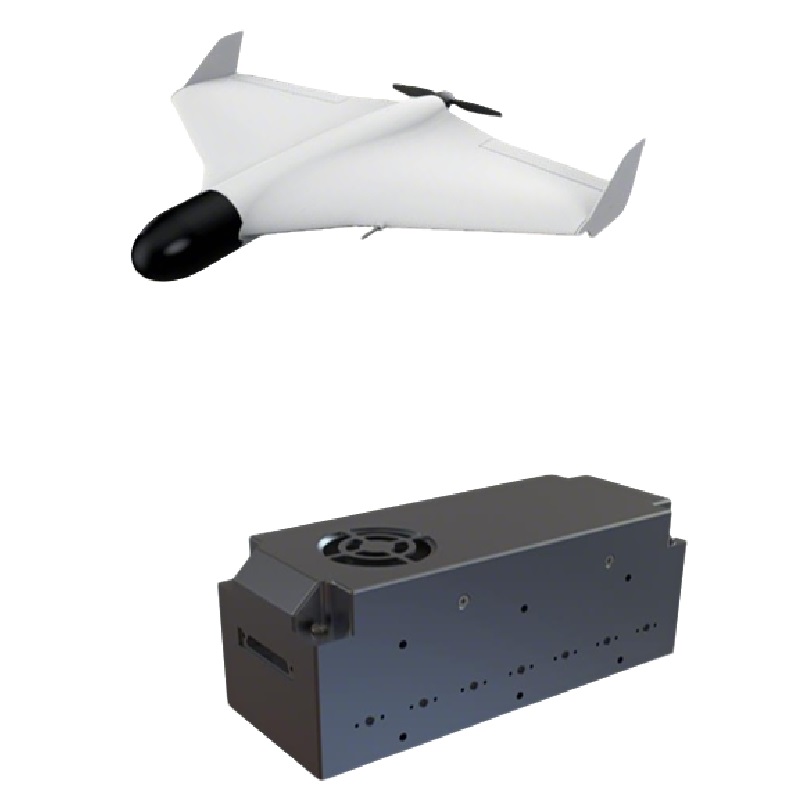
Anti-Drone Jammer Seeker
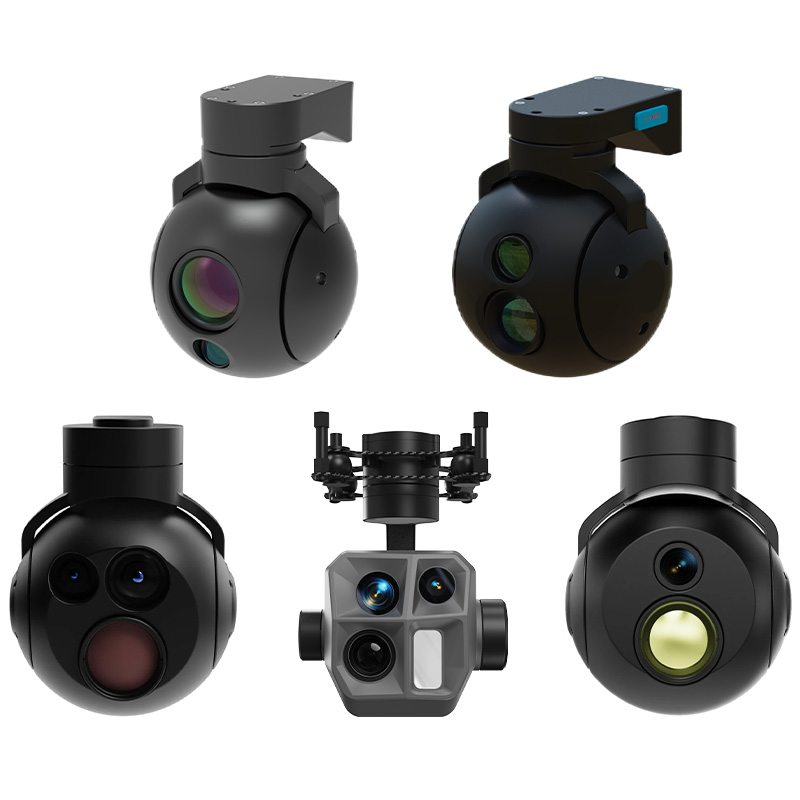
AD SERIES
Anti-jamming antenna AJ410
Anti-jamming antenna AJ440
Radar Absorbing Agents