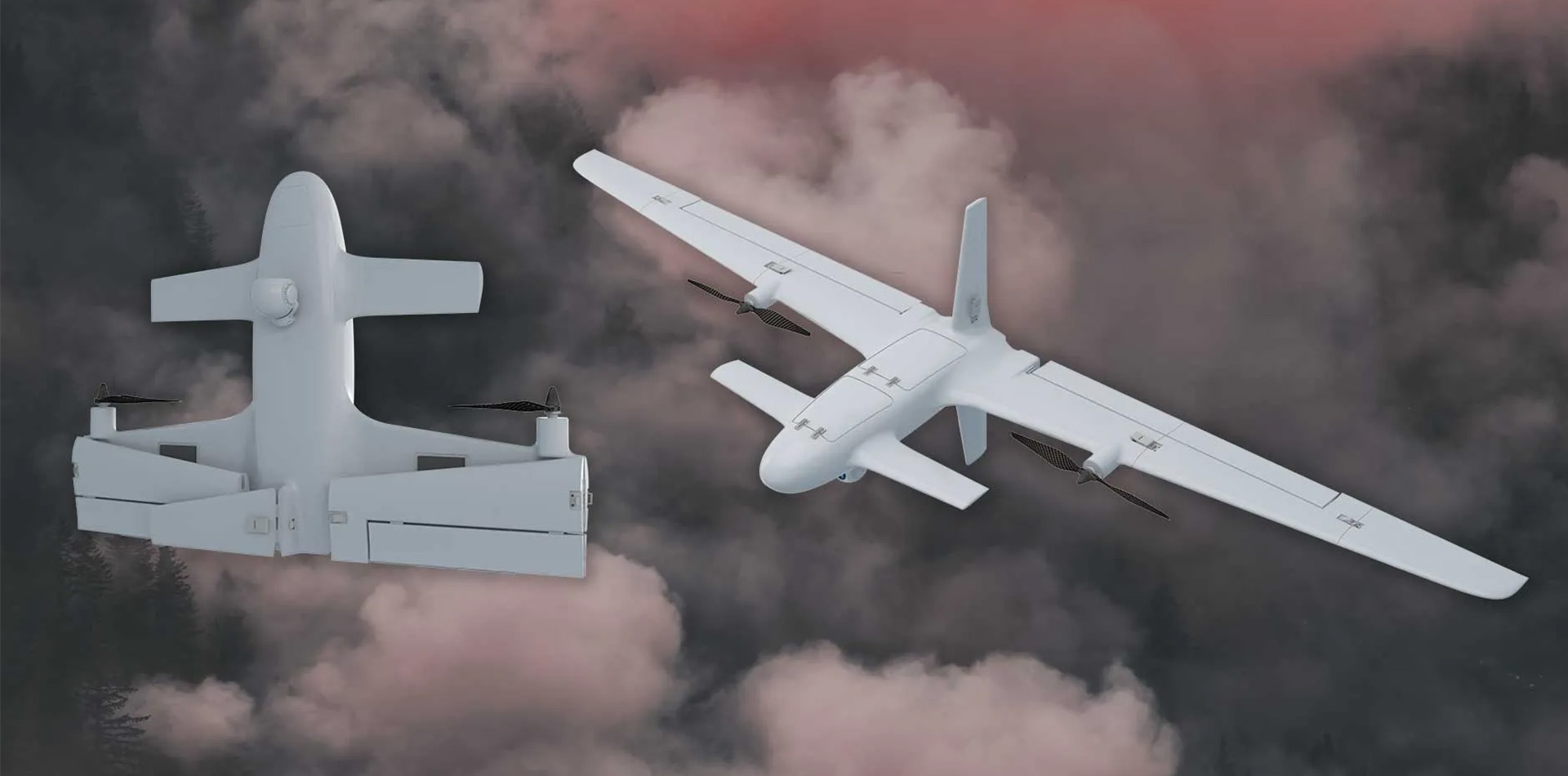
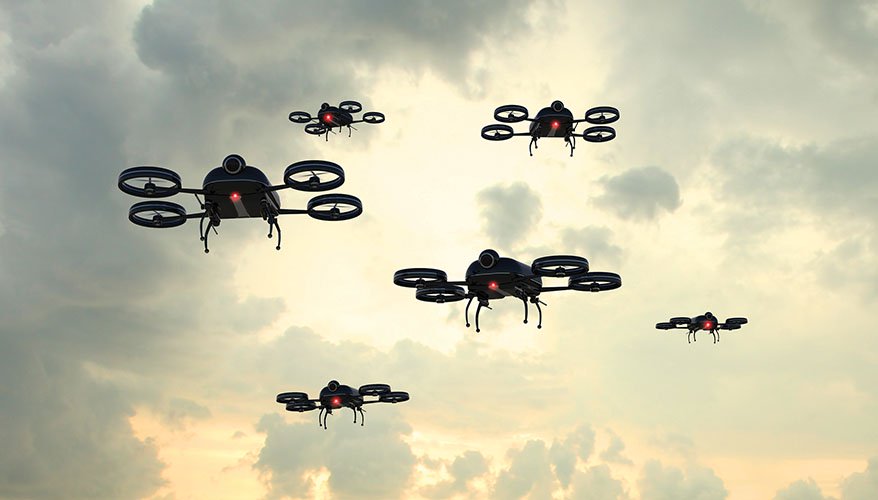
The DIU $100M Orchestrator Challenge Rise of Voice-Controlled AI Drone Swarms in 2026 Battlefield
 author
 - 19th February 2026
The DIU $100M Orchestrator Challenge has brought into sharp focus something many of us in counter-UAS and defense technology have been tracking for some time: voice-controlled AI drone swarms are transitioning from laboratory exercises and promotional footage to capabilities that will very likely appear in real-world engagements by 2026. The Defense Innovation Unit, collaborating with DAWG and elements of the U.S. Navy, has placed up to $100 million in prize funding behind software that enables standard service members to direct heterogeneous fleets of aerial, ground and surface unmanned systems through ordinary voice or text commands. The fundamental aim is to move beyond the legacy model of one operator per platform and toward AI-mediated coordination that interprets commander intent, integrates multi-domain sensor data in real time, and sustains mission execution when GNSS is jammed and tactical communications are severely contested.
Recent operational patterns have already demonstrated how low-cost unmanned platforms can generate asymmetric impact against assets worth many times their value. As the technical and personnel barriers to fielding effective drone formations continue to erode, defensive systems are under growing pressure to adapt at comparable pace. The challenge exposes a clear operational reality: swarms responsive to spoken instructions will support saturation attacks that can rapidly overwhelm most conventional countermeasure capacities. Military forward locations, airfields, critical infrastructure nodes, border zones and other high-value sites now depend on layered defenses that deliver early detection, precise electronic defeat and dependable physical neutralization to retain practical control over low-altitude airspace.
Understanding the DIU Autonomous Vehicle Orchestrator Challenge
The Autonomous Vehicle Orchestrator Prize Challenge, formally initiated in January 2026, deliberately targeted software prototypes that were already approaching production readiness. Submission deadlines passed quickly and qualifying teams were advanced into short, high-pressure sprint cycles. Core to the requirement is the ability to translate natural-language instructions into coordinated behavior across dissimilar unmanned platforms while maintaining autonomy under substantial electronic warfare conditions.
This program extends the conceptual foundation laid by Replicator, now carried forward under DAWG, with ongoing emphasis on distributed, resilient force structures. Voice-driven command interfaces collapse operator training timelines — tactical direction can be delivered at normal speech tempo. That same lowering of skill requirements, however, also reduces the threshold for adversaries assembling drone swarms to perform persistent reconnaissance, deliver kinetic or non-kinetic effects, or sustain area denial in contested domains.
The Evolving Threat: Voice-Controlled AI Drone Swarms on the 2026 Battlefield
Heading into 2026, voice-controlled AI drone swarms integrate several mature elements: inexpensive airframes, compact onboard compute, and command interfaces that require almost no specialized operator expertise. A single individual will be able to task dozens or hundreds of platforms in synchronized patterns, capitalizing on numerical advantage, maneuver speed and rapid behavioral adaptation. Ongoing conflict environments have repeatedly shown how small, low-cost drones can neutralize main battle tanks, artillery systems and fixed-wing aircraft on the ground.
In non-combat environments, unauthorized drone activity near military installations, nuclear facilities, major airports and large public gatherings continues to increase in frequency. Certain incidents have triggered temporary airspace closures or full operational stand-downs. Coordinated formations could gather targeting intelligence, deploy small payloads or systematically probe defensive postures. At commercial aviation facilities, energy infrastructure points or high-density venues, the consequences extend well beyond kinetic damage to include significant economic disruption, public safety degradation and cascading operational failures.
Swarms are engineered to exploit volume and behavioral flexibility. They shift frequencies dynamically, execute pre-loaded waypoint sequences or revert to semi-autonomous logic when command links are disrupted. Countermeasures reliant solely on electronic disruption frequently encounter substantial limitations against that level of redundancy and adaptability.
Limitations of Traditional Counter-Drone Approaches Against Swarms
Jamming has remained the primary initial response: sever control links, deny GPS, interrupt video feeds and the target platform generally enters hover, forced landing or return-to-home mode. Against single platforms dependent on continuous operator input, the technique delivers reliable outcomes. When applied to drone swarms, however, several practical constraints surface rapidly.
Area jamming encounters difficulty with frequency-agile or multi-band architectures common in coordinated groups. Power demands scale poorly when attempting to affect multiple targets over meaningful volumes, raising the likelihood of collateral interference with friendly tactical communications, navigation aids or nearby civilian networks. Platforms carrying inertial, optical or pre-programmed navigation largely disregard RF denial.
High-energy lasers and other directed-energy systems offer standoff range and precision but face scaling constraints when confronting dozens of agile targets. Atmospheric effects, thermal blooming and the dwell time required per engagement restrict performance in high-density scenarios. Kinetic interceptors — missiles or gun-based solutions — incur per-engagement costs that become unsustainable against low-value swarm elements and generate debris patterns unacceptable near active runways or populated areas.
Operational exposure has consistently shown the same pattern: single-effect countermeasures leave exploitable vulnerabilities when the threat is defined by volume and adaptive behavior.
Why Integrated Detect-Jam-Capture Systems Are Essential
Real counter-UAS engagements require closing the complete engagement sequence — from initial positive detection to verified neutralization. The most effective architecture integrates precise spectrum monitoring for early cueing, directional jamming for immediate control severance and non-kinetic physical capture to deliver definitive resolution while preserving evidence.
This detect-jam-capture sequence forms a closed, largely automated process. Spectrum sensors locate intruding platforms and frequently their ground control origins within complex RF environments, providing the earliest actionable window. Targeted jamming then disrupts the critical links — GPS, video downlink and command channels — leaving the target without guidance. When electronic defeat is insufficient, a physical capture mechanism, typically a net, removes the drone from flight in a controlled manner, eliminating re-use potential while retaining flight data, payloads and structural components for technical exploitation and legal proceedings.
Collateral impact remains tightly constrained. Unlike broad-spectrum jamming that affects adjacent systems or destructive methods that risk secondary blast and fragmentation hazards, targeted non-contact engagement aligns with environments that demand strict safety tolerances. The dual electronic-and-physical defeat path builds inherent redundancy.
How the GW10T Anti-Drone Capture Net System Delivers End-to-End Neutralization
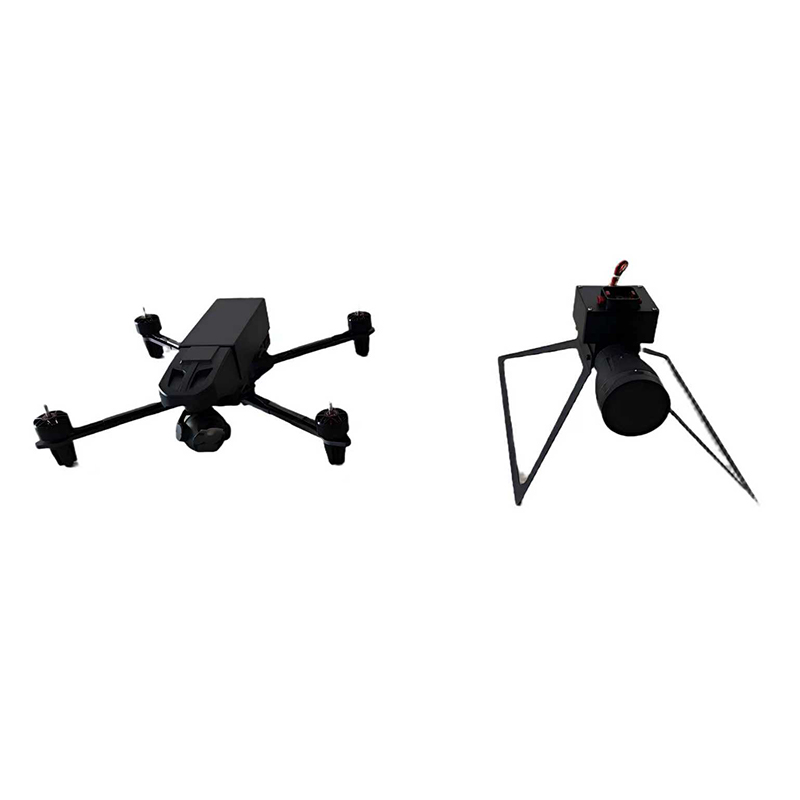
The GW10T executes this integrated concept on a lightweight UAV platform optimized for rapid deployment.
Detection relies on spectrum monitoring that automatically identifies unauthorized drones. Thermal imaging at 640×512 resolution, visible cameras with 30× digital zoom, and a laser rangefinder maintaining ±1 m accuracy to 1 km feed an AI-supported classification engine that markedly reduces false positives.
Following confirmation, multi-band RF jamming selectively targets control, video and navigation links to induce hover, descent or return-to-home behavior. If electronic measures fall short, the system deploys a 3×3 m woven capture net at an effective 8–10 m engagement range. The net, with 150×150 mm mesh and 17 kg retention capacity, secures the target cleanly without fragmentation or explosive hazard.
Platform performance supports demanding operational profiles: maximum horizontal speed of 30 m/s in still air, 35-minute endurance, and real-time video transmission to 20 km. Hover accuracy remains within ±1 m under nominal GNSS conditions. The full sequence — from detection through jamming to capture — operates with high autonomy, shifting operator responsibilities toward monitoring and final authorization rather than manual control.
Practical advantages include intact evidence recovery suitable for forensic and prosecutorial use, modular payload options that adapt to specific mission requirements, and platform mobility that enables access to areas unreachable by ground-based systems.
Real-World Deployment Scenarios for Critical Sites
Airports face ongoing unauthorized drone intrusions that threaten aircraft separation and schedule reliability. The GW10T enables perimeter defense without saturating the RF environment in ways that could interfere with tower communications or affect passenger devices. Captured platforms are kept off runways and out of the foreign object debris cycle.
Military installations require comprehensive protection against ISR or strike swarms. Early detection and rapid response safeguard flight operations, weapons storage and command infrastructure. In border security and correctional settings, intact recovery directly supports investigations into smuggling routes and contraband delivery methods.
Power generation sites, refineries and major public events benefit from the non-kinetic profile — no ignition risk, no blast propagation, no secondary damage near hazardous materials or dense populations. Fixed-site or mobile deployment options accommodate both persistent site defense and temporary high-threat requirements.
SKYPATH: Delivering Reliable Counter-UAS Solutions
SKYPATH develops military-grade UAV platforms and counter-unmanned aerial systems engineered specifically for high-consequence security missions. The engineering team comprises 13 PhD-level specialists and 21 engineers holding master’s degrees, with primary focus on AI-assisted target recognition, extended-range autonomous flight, precision terminal guidance and non-kinetic defeat technologies. Monthly production capacity exceeds 1,000 units, reflecting mature and repeatable manufacturing processes.
The product portfolio covers full-spectrum capability — from ISR collection platforms to integrated anti-drone solutions that maintain high recognition confidence and strong performance against electronic countermeasures. Multiple systems have attracted formal evaluation from international defense organizations, confirming operational credibility against the broadening spectrum of unmanned aerial threats.
Conclusion
The DIU $100M Orchestrator Challenge confirms that voice-controlled AI drone swarms will be a central feature of conflict environments in 2026 and the years immediately following. As offensive drone operations become more accessible and scalable, defensive architectures must deliver correspondingly integrated and field-proven responses. Systems capable of executing a complete detect-jam-capture sequence — early cueing, focused electronic defeat and assured physical neutralization with tightly controlled collateral effects — represent the most realistic near-term path forward. Platforms such as the GW10T illustrate how this approach can be implemented to protect airfields, military sites, critical infrastructure and other sensitive locations under realistic conditions. Organizations responsible for low-altitude airspace security should prioritize assessment of these end-to-end capabilities to maintain operational advantage against rapidly evolving threats.
Frequently Asked Questions
What makes voice-controlled AI drone swarms a major threat in 2026?
Voice interfaces reduce the operator skill requirement dramatically, enabling rapid fielding of large, coordinated swarms that exploit numerical scale and behavioral flexibility to overwhelm conventional defenses — particularly under GNSS denial or communications jamming.
Why isn’t jamming alone sufficient against drone swarms?
Frequency-agile platforms, onboard autonomy and high target density limit jamming consistency; power scaling challenges and collateral interference further constrain effectiveness against swarm-class threats.
How does the GW10T anti-drone capture net system handle evidence collection?
It physically secures the drone with a woven net that avoids destruction, preserving flight logs, payloads and components suitable for technical analysis and legal follow-up.
What scenarios are best suited for integrated detect-jam-capture systems like GW10T?
Airports, military forward positions, power generation sites, correctional institutions, border security zones, major public events and other critical infrastructure locations where non-destructive, low-collateral neutralization is operationally essential.
Can capture net systems like GW10T operate effectively in urban or sensitive environments?
They perform effectively in those settings — the targeted, non-kinetic approach avoids debris generation, explosive risks and broad RF disruption, aligning with environments that demand strict control of secondary consequences.

Main Products
Our Main Products
At SkyPath we develop cutting-edge drones for every situation. Please browse our products.
Contact Us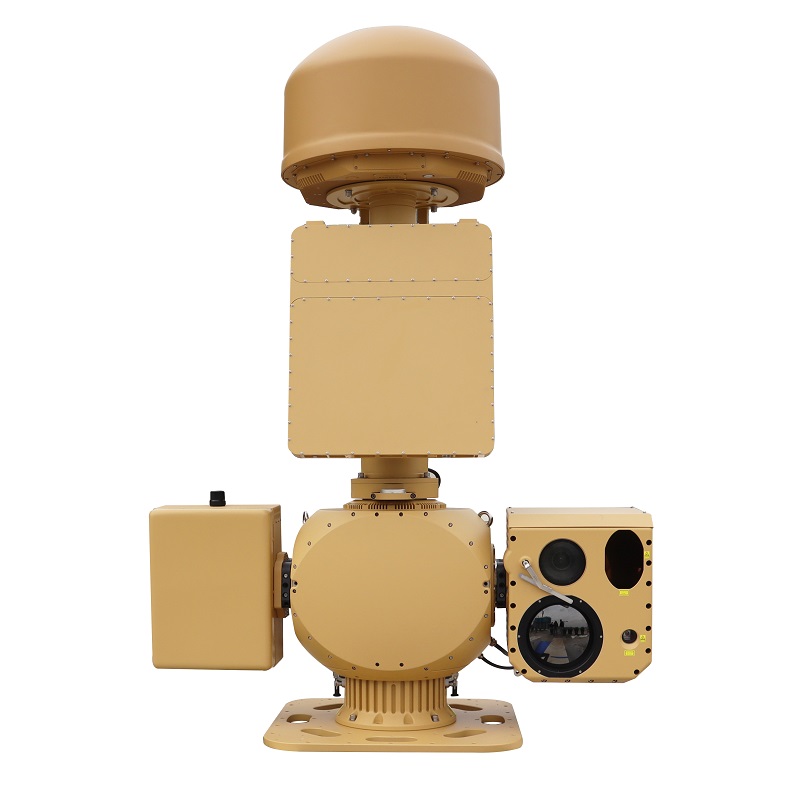
AUS70 Heavy-Duty Integrated C-UAS System
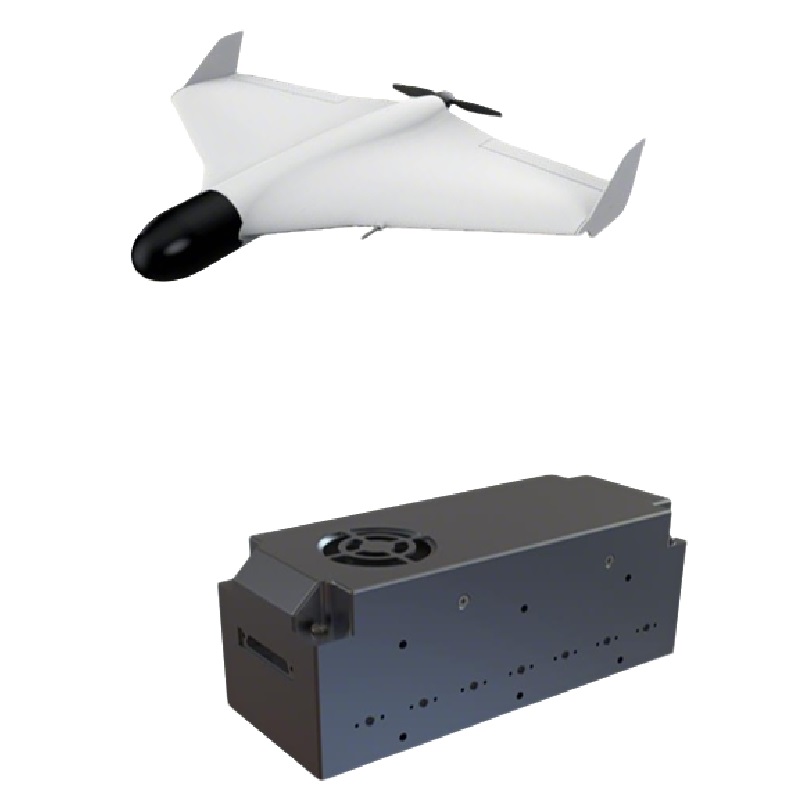
Anti-Drone Jammer Seeker
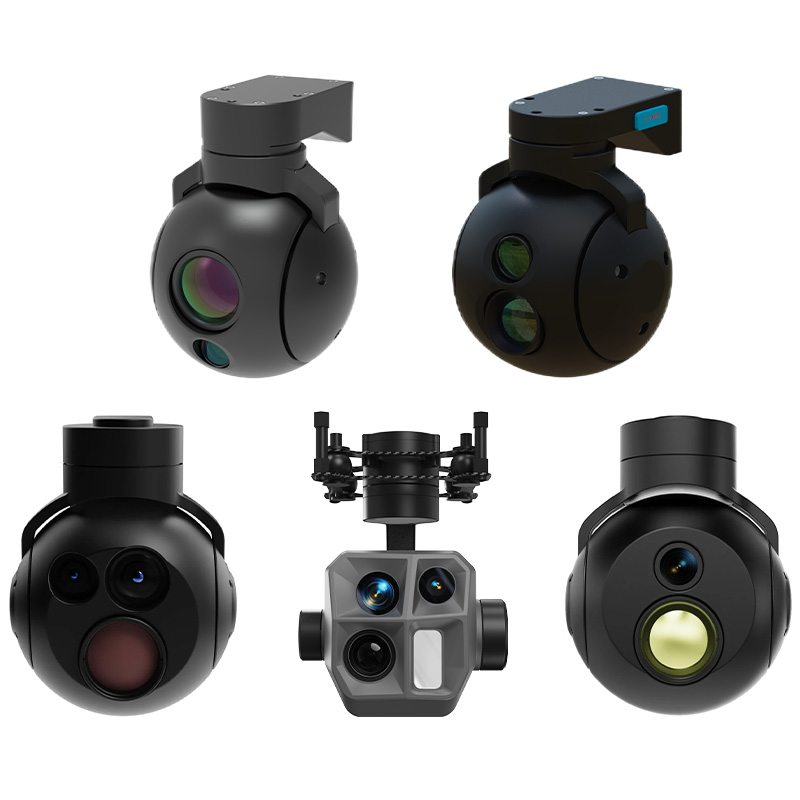
AD SERIES
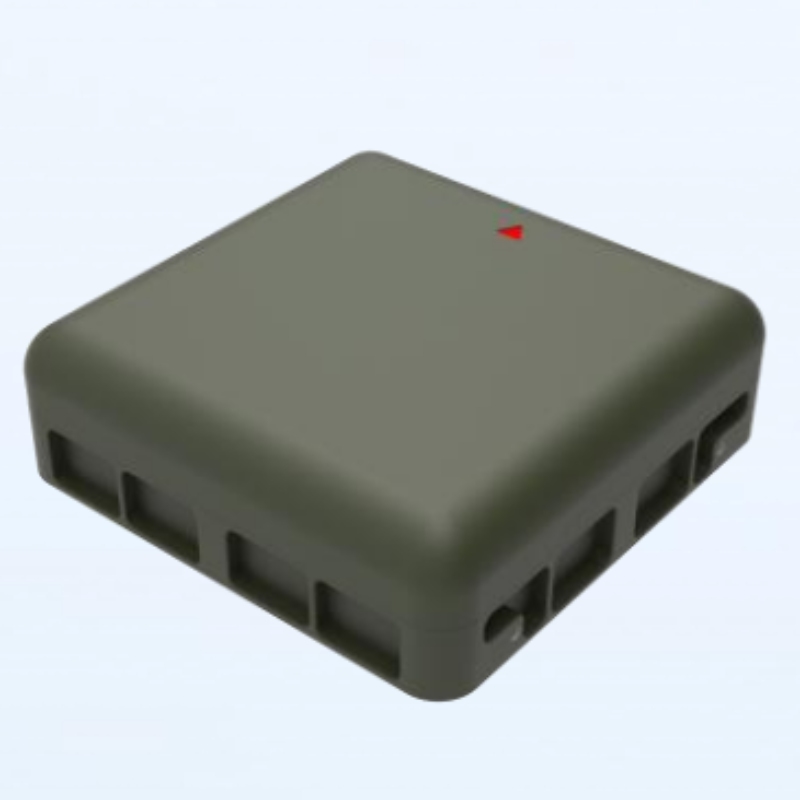
Anti-jamming antenna AJ410
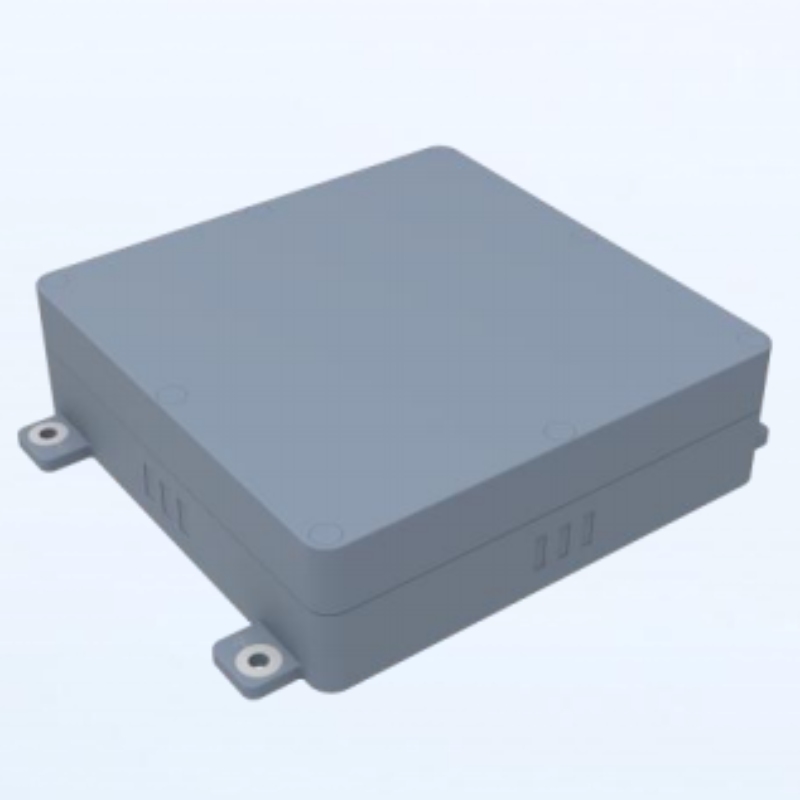
Anti-jamming antenna AJ440

Radar Absorbing Agents