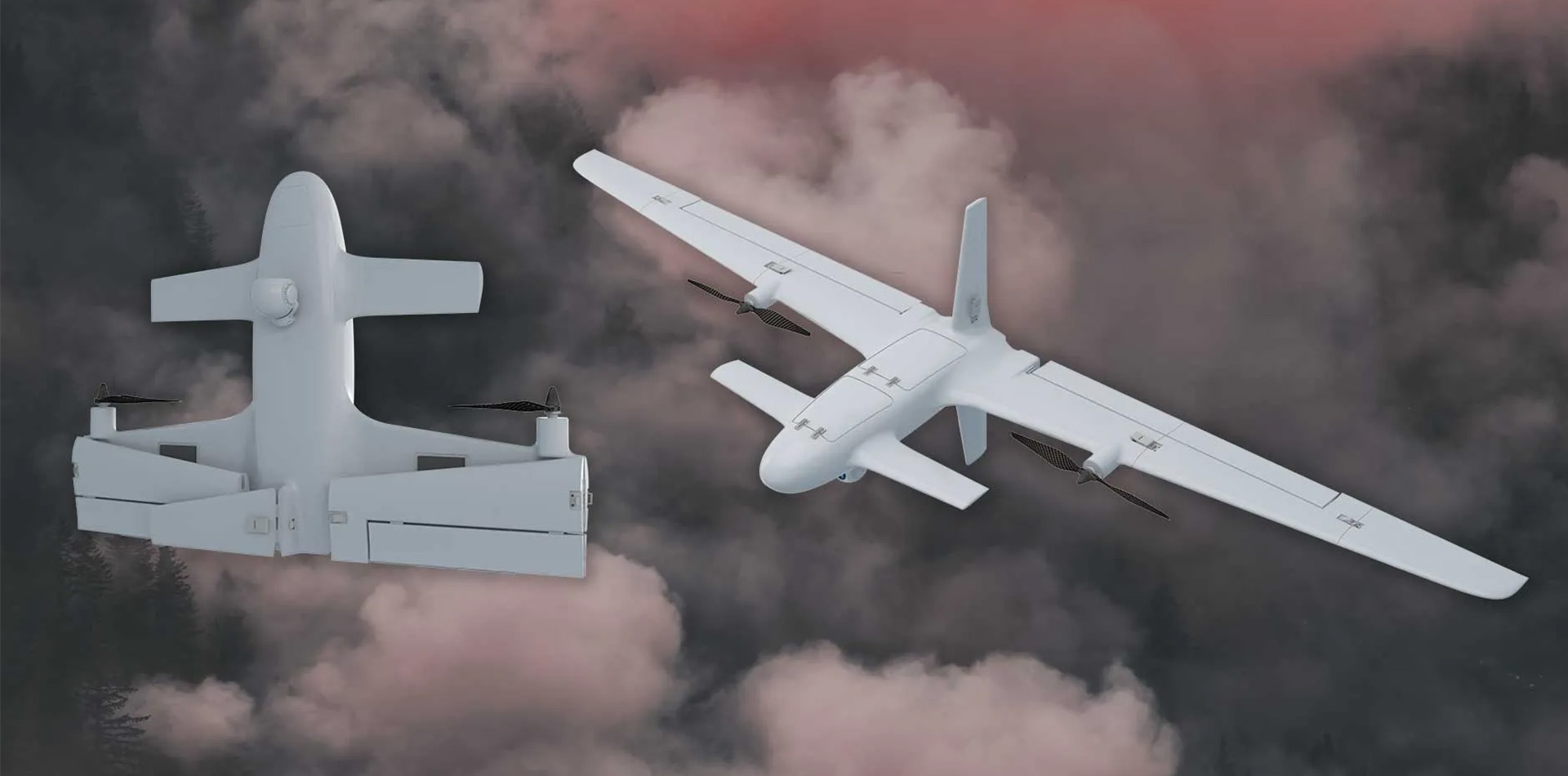
Why is the production capacity of small rockets like the Complete Anti Shahed136 system low in the world
 author
 - 2nd April 2026
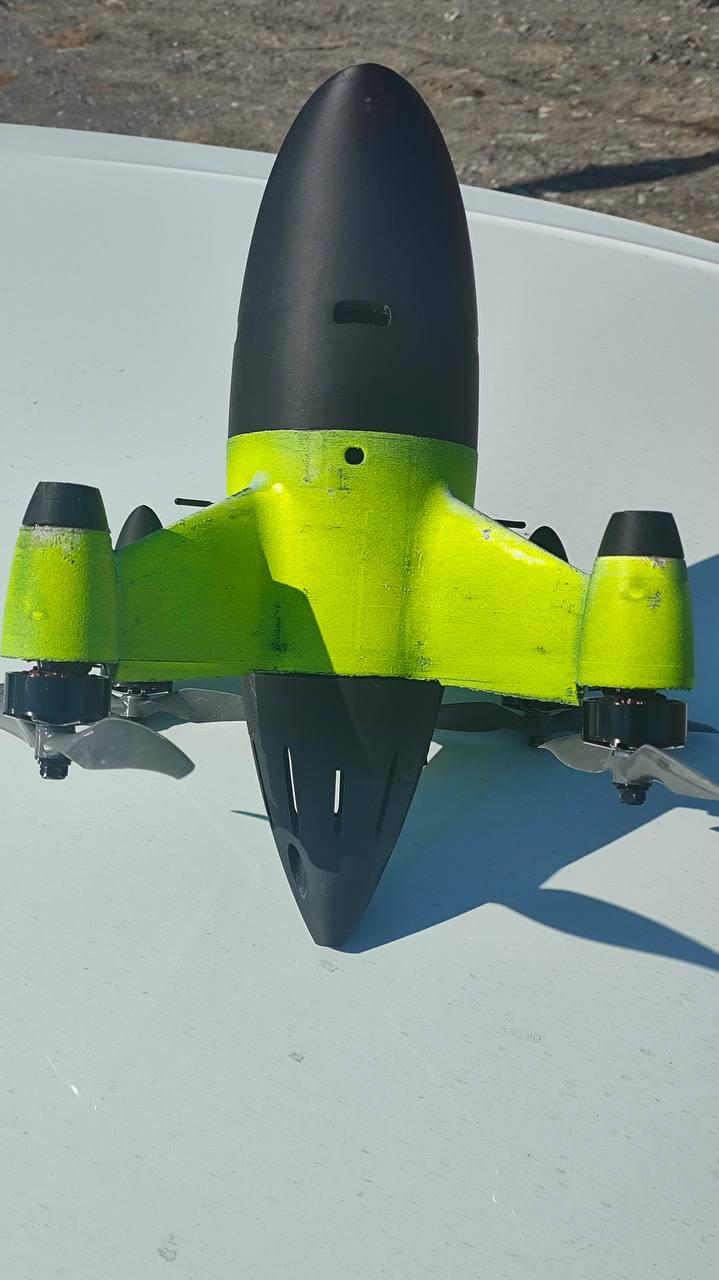
The global defense industry’s output for small rockets, especially setups like the Complete Anti Shahed136, stays quite low. This happens even as needs grow. Issues come from careful technical work, shortages in supplies, and weak factory setups. Together, these problems stop quick growth in making them.
Challenges in Material Procurement
Strong fuels and mixed materials are key for small rocket setups. Yet, getting lots of them proves tough. These items need to match top space-level rules. They must hold up against heat and keep their shape in harsh settings. Rules on sending out items that could serve two purposes make buying from other countries harder. This causes delays in getting supplies. Plus, checks for quality—like tests without damage and checks on chemical makeup—stretch out the time to make things. Every group of fuel or carbon fiber needs approval before anyone uses it. As a result, this caps how much they can make each day.
Precision Engineering Requirements
Small rockets call for great care in lining up the drive system, setting flight controls, and adding guidance parts. In the world market, under ten firms know how to handle top-level flight control tech for these small setups. Just four sit in China. Skypath counts as one of them. These setups need exactness down to less than a millimeter when putting them together. That ensures steady push direction and path fixes. The allowed gaps are often stricter than in building bigger missiles. Machines for tiny-scale lining up are rare. Also, workers with real space skills are few around the world.
Limited Industrial Infrastructure
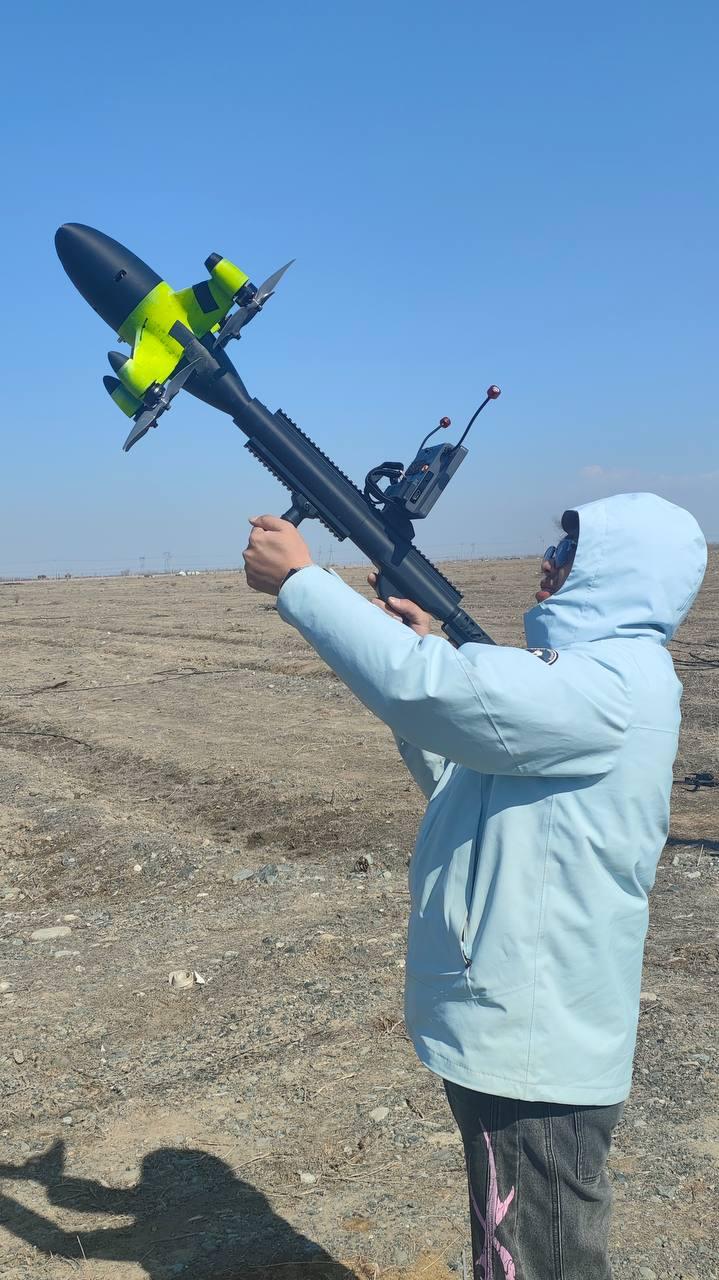
Factory setups form a big roadblock for making small rockets. Not many places have the right air controls, safety papers, and clean spaces needed to put together small drive systems. The shell size of these rockets adds to slow making times too. Plants usually make just one or two each day. This is because putting together and checking takes a lot. On top of that, rules about the environment block factory growth. Handling rocket fuel means dealing with risky chemicals. So, they need tight safety steps. Getting to special test areas is another issue. Each early model must go through still-fire checks and real flight proofs. Only then can they start making many.
How Do Economic Constraints Affect Production Capacity?
Money matters have a big hand in deciding if small rocket making can grow well in the world defense field.
High Unit Cost vs. Limited Market Demand
Setups like the Complete Anti Shahed136 cost a lot per piece. This comes from making small batches. The savings from big runs that help large missile plans do not work here. Demand spreads out over uses like fighting drones or close-range protection tasks. Defense money often goes to big missile builds first. It leaves little cash for making many anti-drone rockets. For private makers without steady government deals, getting money back looks unsure. This is due to ups and downs in buying plans.
Funding Limitations for R&D Expansion
Building small drive systems that mix low cost with lasting strength needs steady money over years. Many new defense firms hit money walls. Investors like venture groups stay careful about putting cash into touchy tech under send-out rules. Government aid for research picks plans that boost big threat stops more than small drone fights. So, work on new ideas slows. This holds back changes that could cut costs per unit and raise how much they make.
Why Are Regulatory and Export Controls a Major Barrier?
Rules set to guard country safety also limit work together and trade across borders in the small rocket area.
International Compliance Restrictions
ITAR, or International Traffic in Arms Regulations, sets hard limits on moving tech across borders. This includes defense parts like guide chips or drive units. Punishments and blocks cut off getting key parts from some areas. Companies must use home suppliers instead. Even if outside options work better or cost less, this forces delays. Getting licenses adds months, or sometimes years, to rollout times after early models are set for real use.
National Security Concerns and Secrecy Requirements
Governments put strong secret rules on makers working on small but strong weapon setups like the Complete Anti Shahed136. The goal is to stop spread risks. Secret tech cannot go to private teams or outside helpers without clearance okay. This spreads to people too. Engineers on touchy projects need deep checks before they can join design or test work. As such, hiring takes a long time.
How Does Technological Complexity Impact Production Scalability?
Small rockets might seem easier than far-reaching missiles at first. But making them tiny brings special build problems that block growth.
Miniaturization Limits in Propulsion Systems
Tiny engines must give steady push. At the same time, they need to use fuel well in very small spaces. Reaching this mix calls for strong computer models plus exact cutting methods that few places have. Teams must fine-tune the burn room shape to avoid too much heat. This job gets harder as power packs tighter in smaller sizes. When tests fail, it often means full reworks. Not just small changes. This is because small slips can lead to big breaks in flight tries.
Integration with Modern Guidance Technologies
Today’s anti-drone rockets link up smart tracking programs based on AI, GPS path finders, and setups that blend many sensors. They spot and catch quick air targets right. Fitting these into a small body needs flexible parts. Yet, it must keep shields against signal blocks from close radar gear. Checking software takes long too. Each code update needs tests in fake fight setups before okay for real field work.
What Role Does Skypath Play as a Reliable Complete Anti Shahed136 System Supplier?
Skypath stands out as one of China’s top builders focused on fighting drones. It offers solutions like the Complete Anti Shahed136 system. The firm works to beat common industry holds by using fresh ideas in making things.
Skypath’s Approach to Innovation and Reliability
Skypath uses building-up methods, known as 3D printing, to speed up making parts. It keeps exact sizes across groups. This cuts wait times for hard pieces like tips or air-flow wings. Those used to take long to cut by hand. The firm sticks to tough quality checks that match world defense rules. So, each part hits performance marks before joining the full build.
Working with school research groups lets Skypath keep improving its drive strength models. It also boosts sensor blend skills for better target spotting in drone catch tasks. Plus, Skypath finished flight check tests well. This puts it with just three or four Chinese firms that passed full air proofs. It shows their build strength.
How Can Future Developments Improve Global Production Capacity?
Raising world output for small rocket setups will rely on tech steps forward. It also needs rule changes to ease current factory limits.
Adoption of Advanced Manufacturing Technologies
Using robots for auto work can raise build care a lot. It cuts need for hand work that tires out and errs. Adding sight-check tools by machines keeps steady quality at every step. This happens without stretching times too much. Building-up methods keep promising to lower costs. They allow quick early builds of shells, tips, and guide boxes with light metals set for heat hold.
Strengthening International Collaboration Frameworks
Setting up shared business ties between friend countries could spread research costs better. It would follow send-out laws for defense tech. Shared test spots would speed up okay times by grouping entry to safe launch areas. These spots have gear for real-fire checks under set safety steps. Such team-ups would cut holds from few factory spots in single lands. All while sticking to safety needs from world pacts.
Conclusion
The low world making power for small rockets like the Complete Anti Shahed136 system comes from linked tech problems, money limits, rule blocks, and weak factory bases. Needs for top-care flight controls limit skilled makers around the globe. Fewer than ten can do it. Long build times cap daily rates too. This is due to big shells and hard putting-together steps. Engine plans must mix low cost with lasting build and fuel save under strict test setups that few firms hit steady. Rule-based send-out limits hold back market growth outside. This is true even with rising needs for close-range drone fight answers.
Firms like Skypath show how fresh-idea ways can slowly ease these holds. They mix building-up with tough quality checks. This boosts strength and growth within set limits.
FAQs
Q1: Why is it difficult to mass-produce small anti-drone rockets compared to larger missiles?
A1: Small rockets require higher precision per unit volume due to miniaturized components and tighter tolerances, making them harder to produce consistently at scale compared to larger missile systems.
Q2: Are there any emerging technologies that could improve production efficiency?
A2: Yes, additive manufacturing (3D printing), AI-driven quality control systems, and modular component designs are being explored to streamline assembly processes.
Q3: How does Skypath ensure reliability in its Complete Anti Shahed136 system supply chain?
A3: Skypath maintains direct oversight of its component sourcing, employs advanced testing protocols for every subsystem, and integrates continuous feedback from field performance data into its manufacturing improvements.

Main Products
Our Main Products
At SkyPath we develop cutting-edge drones for every situation. Please browse our products.
Contact Us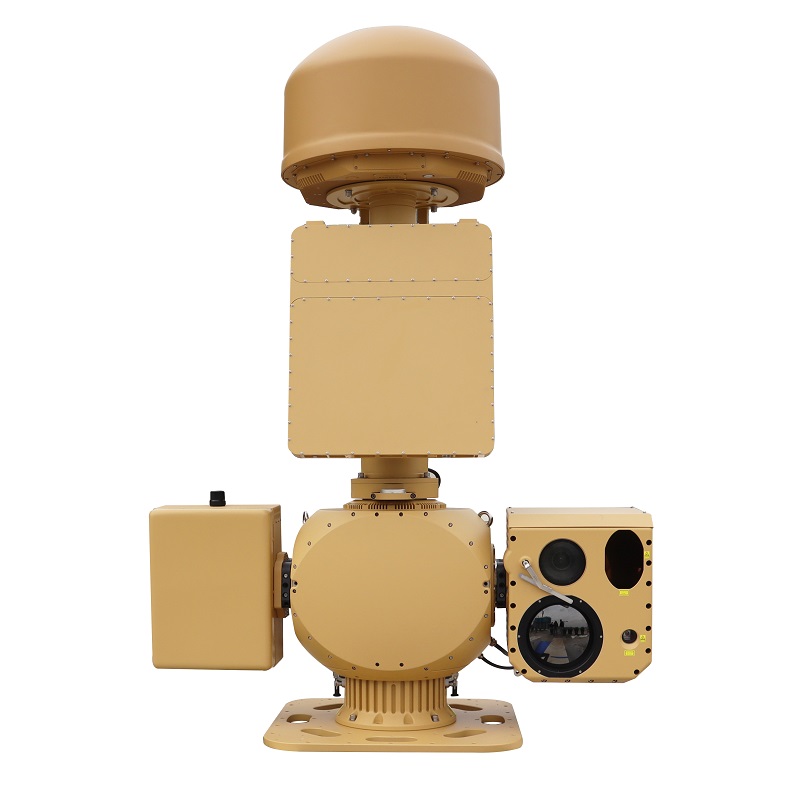
AUS70 Heavy-Duty Integrated C-UAS System
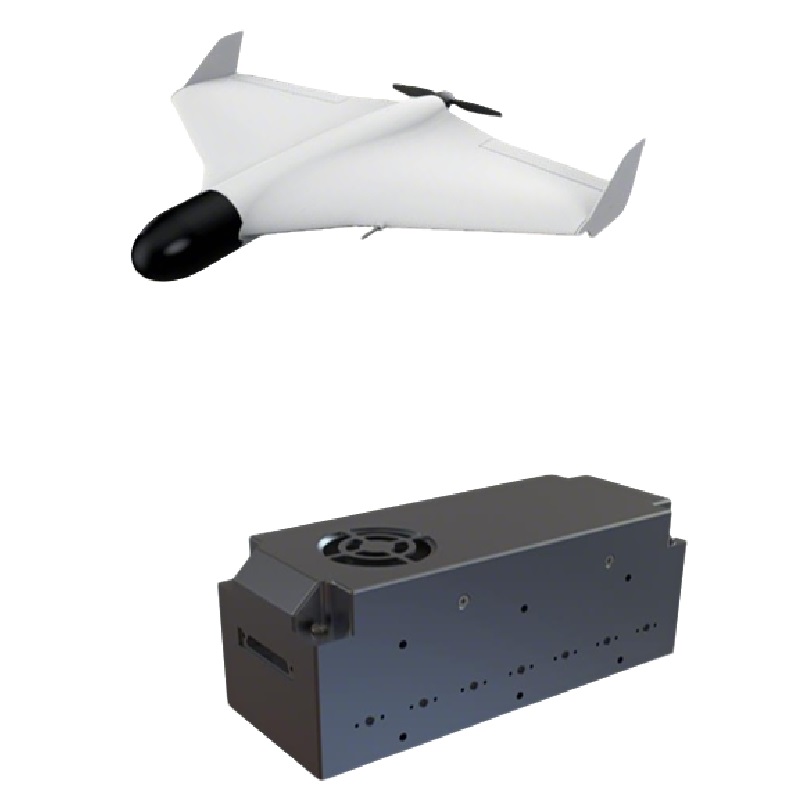
Anti-Drone Jammer Seeker

AD SERIES
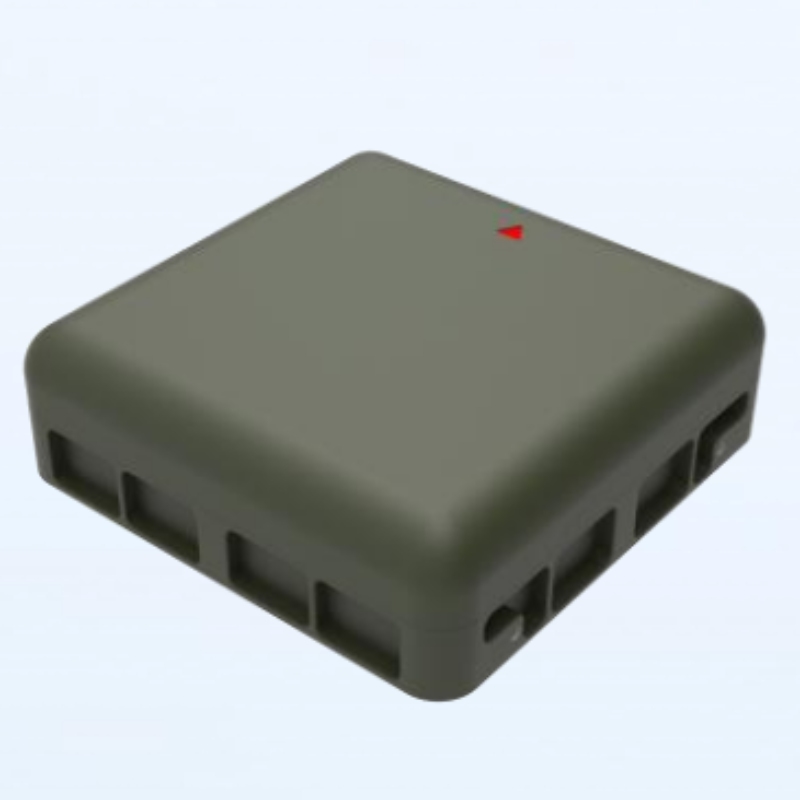
Anti-jamming antenna AJ410
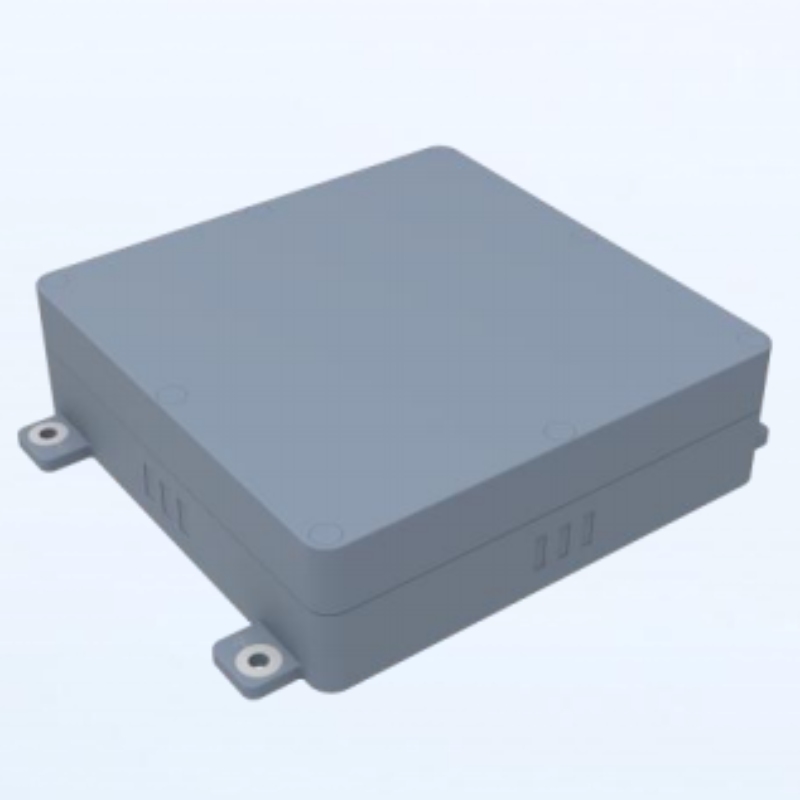
Anti-jamming antenna AJ440
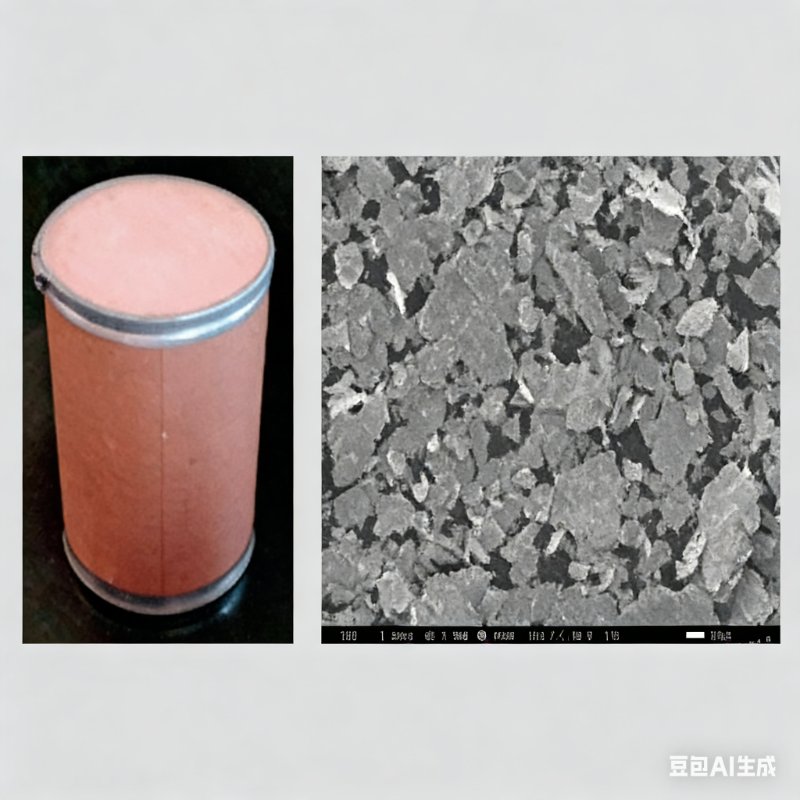
Radar Absorbing Agents