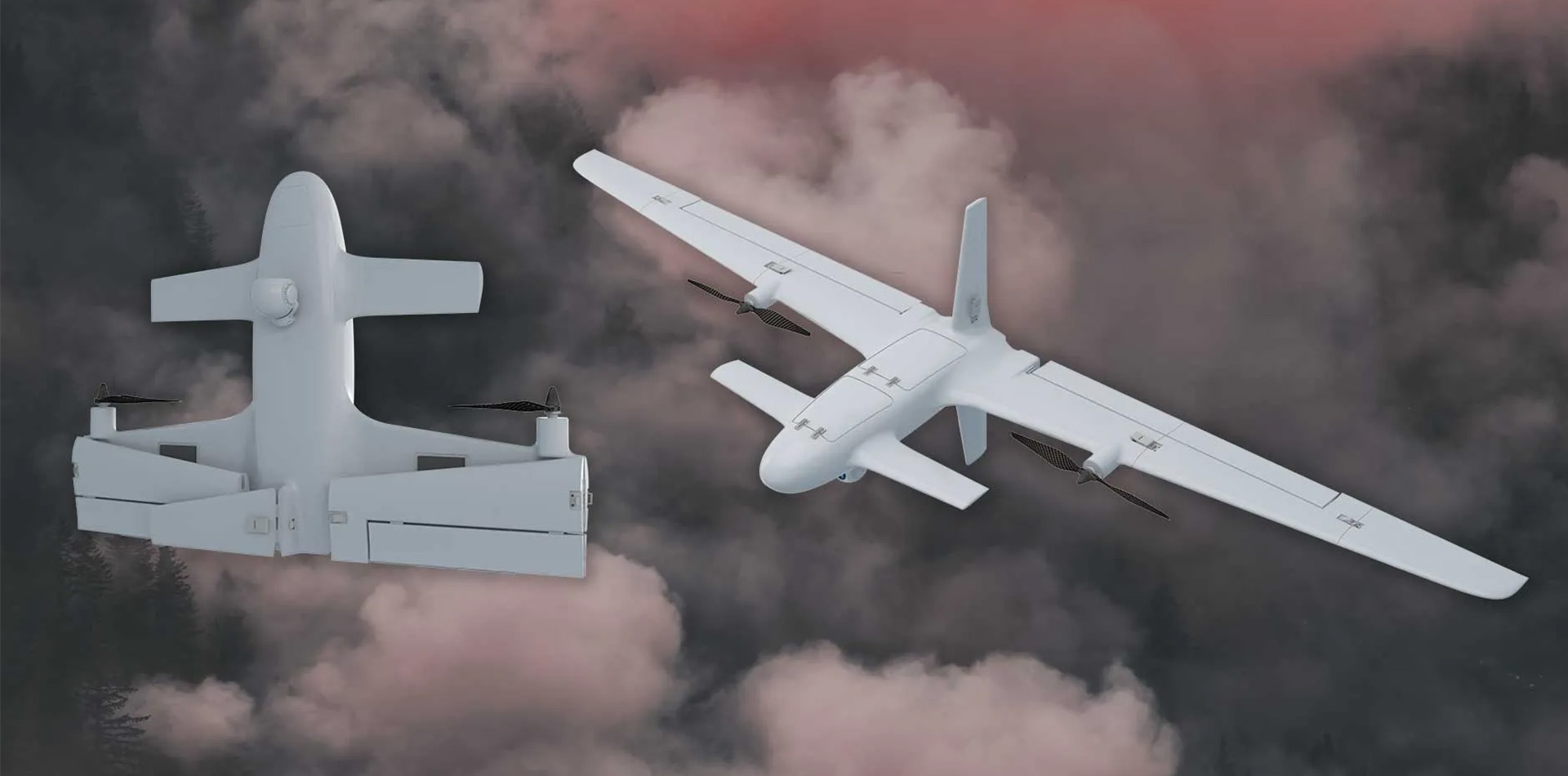
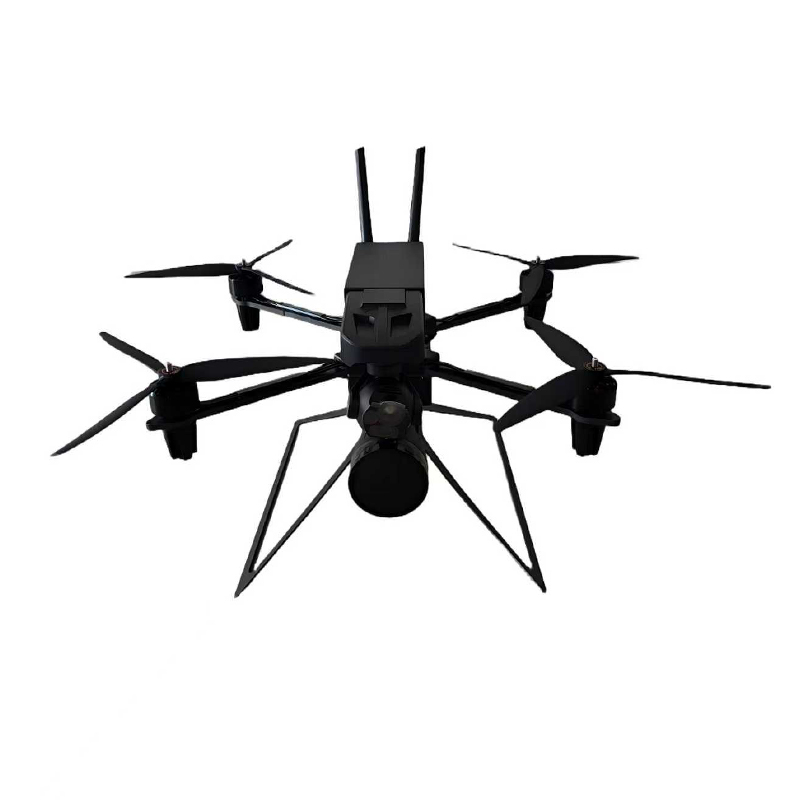
Anti-Drone Interceptors Are Not FPV Drones — Here’s the Real Difference
Meta Description: Think anti-drone interceptors are just big FPV drones? Think again. From AI-guided flight controllers to combat architecture, here’s why they’re fundamentally different systems — and why that distinction matters for real-world defense. Have you ever heard someone say, *”Isn’t your anti-drone system just a glorified FPV quadcopter? Same flight controller, same video feed — what’s the difference?”* If you work in counter-UAS, you’ve probably heard this more times than you can count. And every time, it’s equal parts frustrating and understandable. On the surface, the parts look similar. The chips are similar. Even the wiring looks similar. But beneath the surface? They’re not just different — they’re fundamentally different species. FPV drones are built for human enjoyment. Anti-drone interceptors are built for AI-guided combat. Confusing the two isn’t a minor misunderstanding — it’s a category error. Let’s break down exactly what separates them, without the jargon. The Core Difference: Human Flying vs. AI Fighting Here’s the simplest way to understand it: FPV dronesare designed for one thing: a human pilot experiencing flight through a first-person view. Freestyle tricks, racing gates, cinematic shots — it’s about the pilot’s skill and the thrill of the flight. Anti-drone interceptorsare designed for one thing: detecting, tracking, and neutralizing a hostile drone before it reaches its target. The pilot may monitor, but the AI does the flying and the fighting. In FPV, if you wobble, you recover. If there’s a bit of latency, you adjust. If the video feed cuts out briefly, you hover and wait. In anti-drone operations, none of that is acceptable. A target moving at 200 km/h doesn’t give you time to adjust. A 50-millisecond delay in AI tracking means a miss. A video interruption at the wrong moment means mission failure. FPV = pilot experience. Anti-drone = guidance closed loop. One is for playing. The other is for intercepting. AI + Flight Controller: What “Deep Collaboration” Actually Means Many people assume the AI-flight controller relationship is simple: the AI spots a target, sends coordinates, and the flight controller follows. That’s barely scratching the surface. In a real anti-drone system, the AI module and flight controller operate in a continuous, bidirectional loop: What the AI does (beyond just “seeing”) Captures imagery and identifies the target drone Calculates distance using binocular vision Predicts the target’s trajectory one second ahead Outputs dynamic guidance parameters: yaw angle, pitch angle, and rate of closure The AI isn’t handing off a static coordinate. It’s delivering a real-time guidance curve that updates constantly. What the flight controller does (beyond just “flying stable”) Receives AI guidance commands and executes rudder responses in milliseconds Handles sudden target maneuvers — a sharp turn, a dive — without lag Maintains attitude stability under high-G loading Reports its own state back to the AI: current attitude, speed, altitude, payload status The closed loop The AI adjusts its recognition thresholds based on the flight controller’s reported attitude. The flight controller pre-positions control surfaces based on the AI’s trajectory predictions. They don’t just talk to each other — they compensate for each other in real time. This entire architecture is unnecessary in FPV. In FPV, the human brain decides, and the flight controller just stabilizes. In anti-drone systems, AI is the brain, and the flight controller is the neuromuscular system. Remove either, and the system fails. Architecture Comparison: Entertainment vs. Combat Layer FPV Drone Anti-Drone Interceptor Core intelligence Human pilot (visual, reactive) AI module (predictive, autonomous) Flight controller Stabilizes attitude; pilot commands attitude Executes guidance commands; reports state back to AI Sensors Gyroscope, GPS, barometer IMU, binocular/stereo vision, infrared, optional radar Data link RC receiver (pilot inputs) Serial/CAN bus (AI ↔ FC high-frequency refresh) Video feed Primary flight reference (pilot depends on it) Auxiliary observation only (AI doesn’t need it) Actuation ESCs + motors (built for agility) Servos/control surfaces (built for precision response) Terminal phase Landing or disarm Kinetic impact or detonation The difference isn’t incremental. It’s architectural. Flight Controllers: Same Chips, Completely Different Behavior Yes, both might use F405 or F722 chips. That’s where the similarity ends. An anti-drone flight controller must meet requirements that FPV firmware never considers: Requirement Why It Matters Guidance refresh rate ≥ 50 Hz AI sends 50+ corrections per second. The FC must catch and execute every one — miss one, and you miss a maneuvering target. High-G stability and disturbance rejection Rocket dives, sharp turns, rapid acceleration. The FC can’t oscillate or lose attitude under load. Seamless manual/AI handoff Pilot takes over → AI goes silent instantly. Pilot releases → AI resumes control with zero transient. Not a single servo twitch. Target-loss contingency logic FPV loses target → return to home. Anti-drone loses target → maintain intercept trajectory and reacquire. GPS-denied attitude hold In high-jamming environments, GPS is unreliable. The FC must maintain precision on inertial navigation alone. Same chip, completely different firmware. FPV flight controllers are consumer-grade. Anti-drone flight controllers are guidance-grade. The difference is in the logic, not the silicon. ESCs, Servos, and Power: Aggression ≠ Effectiveness Another common misconception: *”FPV motors are insanely powerful — just use those for anti-drone and you’re set.”* Wrong. FPV Anti-Drone Power goal Maximum burst, maximum speed, maximum agility Stability, fast response, smooth trajectory ESC behavior Aggressive startup, rapid throttle changes Linear response, clean command following Servo/control surface Not applicable (FPV uses differential thrust) Must respond instantly, precisely, and without overshoot Flight path Freestyle — sharp moves are desired Intercept — smooth pursuit with terminal correction The FPV approach to power is *explosive*. The anti-drone approach is *precise*. Applying FPV’s violent power logic to an interceptor produces, at best, inaccurate tracking. At worst, attitude collapse during a critical engagement. Tuning: Feel vs. Kill Chain This is where the difference becomes most concrete. FPV tuning revolves around pilot feel: throttle linearity, stick response curves, gimbal smoothness. If it feels good to fly, it’s tuned well. Anti-drone tuning revolves around a single measure of success: *did the AI lock onto the target, did the flight controller follow it, and did the interceptor hit it?* The parameters that matter: AI recognition sensitivity— no false positives, no missed detections Target prediction coefficients— pursuit without oscillation or overshoot Attitude loop stiffness— no wobble, no drift, no lag Guidance command limiting— prevents excessive maneuvers that destabilize the platform Manual/AI switching dead zone— zero conflict, zero transient response Target-loss and reacquisition logic— maintains trajectory, re-locks without hesitation From start to finish, anti-drone tuning has nothing to do with “how it feels” and everything to do with whether the system kills the target. Video Transmission: Protagonist vs. Observer This is the point 90% of newcomers get wrong. In FPV, the video feed is everything. The pilot flies through it. Lose it, and you’re blind. In anti-drone systems, the video feed is an observer, not a pilot. AI guidance doesn’t depend on it. The flight controller doesn’t depend on it. Terminal guidance doesn’t depend on it. The feed exists so ground operators can monitor the engagement — nothing more. In fact, most anti-drone systems use analog video transmission. Not because it’s cheaper, but because it offers: Minimal latency Continuous connection (no buffering, no reconnection handshakes) Guaranteed last-frame delivery before impact High-resolution digital feeds with intermittent lag are worse than useless in this context. A single dropped frame during terminal approach can mean a miss. The Bottom Line FPV drones are built for people who want to fly. Anti-drone interceptors are built for systems that need to fight. The parts may look the same. The core logic, architecture, and operational standards are completely different. Next time someone asks *”Isn’t that just a big FPV drone?”* — you now have the answer. Interested in counter-UAS technology that’s built for the mission, not adapted from a hobby? [Contact SkyPath UAV](#) to learn more about our guidance-grade anti-drone systems.
Learn More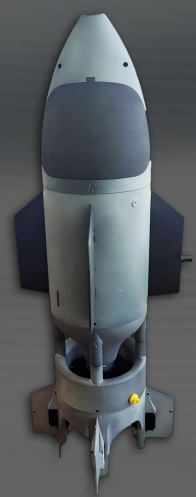
SkyPath’s Complete Anti Shahed136 System How to Effectively Combat Drone Attacks
SkyPath’s Anti Shahed136 System marks a fresh wave of protective gear aimed at tackling the rising dangers from drone strikes. In today’s battles, cheap, far-reaching drones like the Shahed-136 pose a major challenge. They can strike with accuracy and overload old-school air defenses. This happens because of their tiny radar footprint and ability to attack in groups. SkyPath’s setup offers a full, step-by-step defense. It blends sharp radar spotting, smart AI for following targets, and direct hits using compact rockets. The system runs in two main ways. First, ground radar picks out and follows any approaching enemy drone. Second, a compact rocket takes off to chase it. When the rocket gets close, it deploys its explosive payload to destroy the drone. Such a direct takedown boosts success rates. At the same time, it cuts down on side effects. Working Mechanism of the Anti Shahed136 System The process starts with SkyPath’s exact radar sweeping the sky for risks. It spots an item that fits the profile of a foe UAV. Then, the system locks on right away.It uses smart algorithms boosted by AI. These tools tell real dangers apart from mix-ups like birds or friendly drones. The radar info gets handled on the spot. This lets decisions for firing happen fast. Once it detects the threat, a small rocket shoots toward where the target will likely go. The rocket has its own guide setup. It keeps tweaking its route based on fresh radar updates and AI forecasts. As it nears the drone, the rocket itself activates its warhead. The rocket carries blasts. It makes small fixes to its path with its own drive. Finally, it blows up close to the enemy drone. A proximity fuze sets it off. This way, it knocks out the danger without needing to smash right into it. This approach beats older anti-drone tools that count only on bumps or signal blocks. SkyPath mixes direct action with smart aiming from AI. As a result, it works well against quick and tricky drones such as the Shahed-136. To break it down further, the radar first scans a wide area. It identifies potential threats quickly. The AI then analyzes the data. It confirms if the object is hostile. Once locked, the launch sequence begins. The rocket accelerates rapidly. It follows the predicted path of the drone. Updates come in constantly. This keeps the pursuit accurate. Near the end, the fuze triggers the explosion. The blast radius covers the target effectively. This method ensures reliable results even in tough conditions. Key Advantages of SkyPath’s Anti Shahed136 System 1. Exceptional Control Flexibility SkyPath’s build focuses on easy handling in various fight zones. The command setup lets quick changes in path and pace while chasing. Thus, it catches even nimble or twisting drones with success. 2. Advanced Gimbal Camera Integration Many current setups use fixed cameras. These often lose sight of targets in fast chases. SkyPath picks gimbal-fitted cameras instead. They keep steady tracking. The setup holds visual grip even with lots of motion. This raises the trust in aiming a lot. 3. Explosive Interception Efficiency Standard anti-drone ways usually go for straight hits or net traps to stop UAVs. Yet, these face limits in hit precision. They also might leave junk behind. SkyPath’s plan uses the rocket’s warhead to go off near the goal. It raises the chance of a full stop through managed breaks. Plus, it saves power per fight. 4. Precision Radar Positioning At the core of SkyPath’s system sits its radar web. It nails down drone spots with great detail. This clear radar not only finds small sky objects. It also keeps tabs on them over different heights and speeds. Within moments, it builds a full view of sky risks. 5. AI-Powered Target Locking SkyPath adds a sharp AI method. It’s trained on big sets of fake and real drone fights. This method allows forward-looking follows. It guesses dodges by foe UAVs. The lock stays until the takedown works. In the end, it speeds up replies. It also eases the load on handlers in tense spots with many threats at once. Interception Methodology Summary SkyPath’s takedown plan ties together three vital techs: electric ducted fan rockets, AI target locking, and proximity fuze detonation. Electric Ducted Fan Rockets: These small drive parts give steady push with low noise marks. They allow quiet chase jobs against foe drones. AI Target Locking: The built-in brain net handles info from radar and sight sources. It sharpens aim details as things change. Proximity Fuze Detonation: This sets off the blast when close enough to kill. It boosts full-stop odds. At the same time, it cuts costs per takedown. To expand on the interception process, consider how the electric ducted fan rockets operate in detail. They provide reliable propulsion that’s both efficient and quiet. This stealth aspect helps in avoiding early detection by the enemy drone’s sensors. Meanwhile, the AI target locking draws from a wide range of data inputs. It processes radar signals alongside visual feeds to create a precise target profile. This ensures the system doesn’t waste efforts on non-threats. Finally, the proximity fuze detonation adds a layer of safety and effectiveness. It activates only when the interceptor is within a set distance, say a few meters, guaranteeing a destructive blast radius without needing pinpoint contact. Overall, this combination makes the system adaptable to various scenarios, from open skies to cluttered urban areas. In practice, the rockets launch from mobile platforms. They reach high speeds quickly. The fans keep them stable. This design cuts fuel use. It also lowers the chance of failure. Teams can reload fast for back-to-back launches. SkyPath’s Competitive Edge in Counter-Drone Technology SkyPath shines in the defense field thanks to its solid know-how in blending sensors and self-guide systems. Its dev groups have crafted unique code bases. These tie radar flows, sight pictures, and learning machine engines smoothly. All this runs on on-site compute gear for very quick handling. On top of that, SkyPath holds firm ties with air parts makers. This ensures each piece—from drive units to blast packs—gets made under tough quality rules. While rivals stick to one-level, SkyPath gives a whole package. It covers spot-to-wipe skills in a single base. That’s a big stand-out in today’s anti-UAV fight plans. Diving deeper into what sets SkyPath apart, their sensor fusion stands out as a core strength. By merging data from multiple sources in real time, the system creates a unified threat assessment. This is crucial in environments where drones might fly low or use terrain for cover. Their autonomous guidance also reduces the need for constant human input, allowing operators to focus on broader strategy. In essence, SkyPath’s approach evolves with the threats, incorporating feedback from field tests to refine algorithms continually. Conclusion SkyPath’s full Anti Shahed136 System reshapes how countries guard against growing drone hits. It blends exact sensing, clever control codes, and fresh direct takedown ways into one solid base. With its special mix of compact rockets using electric ducted fans and warheads, guided by AI-boosted radar follows, it brings top-notch steadiness against hidden UAV pushes. Its easy handling, forward sight tech, blast-based takedown plan, exact radar pinning, and smart threat grabs all together set it as a top anti-drone tool out there. It handles both now and coming sky dangers well. To wrap up the benefits, this system not only counters the Shahed-136 effectively but also sets a benchmark for future defenses. Nations facing asymmetric threats can rely on its proven track record in simulations and early trials. The integration of AI ensures it adapts to new drone tactics, keeping defenses ahead of the curve. Ultimately, SkyPath delivers a solution that balances cost, performance, and safety in high-stakes operations. Looking ahead, updates will address new challenges. SkyPath commits to innovation. This keeps the system relevant. Users benefit from long-term support and upgrades. FAQs 1. How does SkyPath’s Anti Shahed136 System differ from traditional anti-drone systems? Old systems often lean on signal jams or body clashes to halt drones. SkyPath, however, uses a blend of rocket-based explosive intercepts guided by AI-boosted radar follows. This brings better output and steadiness in takedown tasks. 2. How does the AI contribute to the effectiveness of SkyPath’s Anti Shahed136 System? The AI plays a central role by enabling smart target discrimination, predictive tracking, and rapid decision-making. It distinguishes real threats from birds or friendly drones, anticipates evasive maneuvers by enemy UAVs like the Shahed-136, and continuously updates the interceptor’s path using real-time radar and visual data. 3. What type of maintenance does the system require? Regular upkeep mainly covers tune-ups for radar parts, checks for drive sections in compact rockets, and code refreshes for AI methods. These keep things sharp under shifting work setups.
Learn More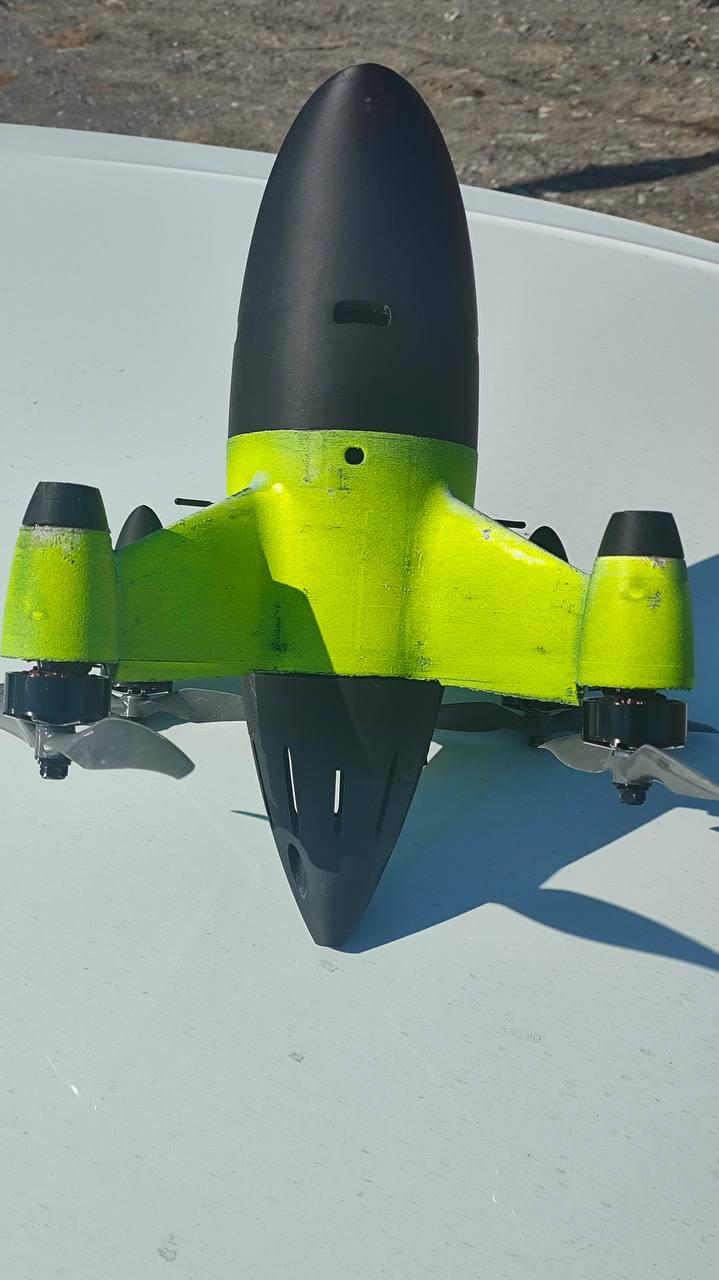
Why is the production capacity of small rockets like the Complete Anti Shahed136 system low in the world
The global defense industry’s output for small rockets, especially setups like the Complete Anti Shahed136, stays quite low. This happens even as needs grow. Issues come from careful technical work, shortages in supplies, and weak factory setups. Together, these problems stop quick growth in making them. Challenges in Material Procurement Strong fuels and mixed materials are key for small rocket setups. Yet, getting lots of them proves tough. These items need to match top space-level rules. They must hold up against heat and keep their shape in harsh settings. Rules on sending out items that could serve two purposes make buying from other countries harder. This causes delays in getting supplies. Plus, checks for quality—like tests without damage and checks on chemical makeup—stretch out the time to make things. Every group of fuel or carbon fiber needs approval before anyone uses it. As a result, this caps how much they can make each day. Precision Engineering Requirements Small rockets call for great care in lining up the drive system, setting flight controls, and adding guidance parts. In the world market, under ten firms know how to handle top-level flight control tech for these small setups. Just four sit in China. Skypath counts as one of them. These setups need exactness down to less than a millimeter when putting them together. That ensures steady push direction and path fixes. The allowed gaps are often stricter than in building bigger missiles. Machines for tiny-scale lining up are rare. Also, workers with real space skills are few around the world. Limited Industrial Infrastructure Factory setups form a big roadblock for making small rockets. Not many places have the right air controls, safety papers, and clean spaces needed to put together small drive systems. The shell size of these rockets adds to slow making times too. Plants usually make just one or two each day. This is because putting together and checking takes a lot. On top of that, rules about the environment block factory growth. Handling rocket fuel means dealing with risky chemicals. So, they need tight safety steps. Getting to special test areas is another issue. Each early model must go through still-fire checks and real flight proofs. Only then can they start making many. How Do Economic Constraints Affect Production Capacity? Money matters have a big hand in deciding if small rocket making can grow well in the world defense field. High Unit Cost vs. Limited Market Demand Setups like the Complete Anti Shahed136 cost a lot per piece. This comes from making small batches. The savings from big runs that help large missile plans do not work here. Demand spreads out over uses like fighting drones or close-range protection tasks. Defense money often goes to big missile builds first. It leaves little cash for making many anti-drone rockets. For private makers without steady government deals, getting money back looks unsure. This is due to ups and downs in buying plans. Funding Limitations for R&D Expansion Building small drive systems that mix low cost with lasting strength needs steady money over years. Many new defense firms hit money walls. Investors like venture groups stay careful about putting cash into touchy tech under send-out rules. Government aid for research picks plans that boost big threat stops more than small drone fights. So, work on new ideas slows. This holds back changes that could cut costs per unit and raise how much they make. Why Are Regulatory and Export Controls a Major Barrier? Rules set to guard country safety also limit work together and trade across borders in the small rocket area. International Compliance Restrictions ITAR, or International Traffic in Arms Regulations, sets hard limits on moving tech across borders. This includes defense parts like guide chips or drive units. Punishments and blocks cut off getting key parts from some areas. Companies must use home suppliers instead. Even if outside options work better or cost less, this forces delays. Getting licenses adds months, or sometimes years, to rollout times after early models are set for real use. National Security Concerns and Secrecy Requirements Governments put strong secret rules on makers working on small but strong weapon setups like the Complete Anti Shahed136. The goal is to stop spread risks. Secret tech cannot go to private teams or outside helpers without clearance okay. This spreads to people too. Engineers on touchy projects need deep checks before they can join design or test work. As such, hiring takes a long time. How Does Technological Complexity Impact Production Scalability? Small rockets might seem easier than far-reaching missiles at first. But making them tiny brings special build problems that block growth. Miniaturization Limits in Propulsion Systems Tiny engines must give steady push. At the same time, they need to use fuel well in very small spaces. Reaching this mix calls for strong computer models plus exact cutting methods that few places have. Teams must fine-tune the burn room shape to avoid too much heat. This job gets harder as power packs tighter in smaller sizes. When tests fail, it often means full reworks. Not just small changes. This is because small slips can lead to big breaks in flight tries. Integration with Modern Guidance Technologies Today’s anti-drone rockets link up smart tracking programs based on AI, GPS path finders, and setups that blend many sensors. They spot and catch quick air targets right. Fitting these into a small body needs flexible parts. Yet, it must keep shields against signal blocks from close radar gear. Checking software takes long too. Each code update needs tests in fake fight setups before okay for real field work. What Role Does Skypath Play as a Reliable Complete Anti Shahed136 System Supplier? Skypath stands out as one of China’s top builders focused on fighting drones. It offers solutions like the Complete Anti Shahed136 system. The firm works to beat common industry holds by using fresh ideas in making things. Skypath’s Approach to Innovation and Reliability Skypath uses building-up methods, known as 3D printing, to speed up making parts. It keeps exact sizes across groups. This cuts wait times for hard pieces like tips or air-flow wings. Those used to take long to cut by hand. The firm sticks to tough quality checks that match world defense rules. So, each part hits performance marks before joining the full build. Working with school research groups lets Skypath keep improving its drive strength models. It also boosts sensor blend skills for better target spotting in drone catch tasks. Plus, Skypath finished flight check tests well. This puts it with just three or four Chinese firms that passed full air proofs. It shows their build strength. How Can Future Developments Improve Global Production Capacity? Raising world output for small rocket setups will rely on tech steps forward. It also needs rule changes to ease current factory limits. Adoption of Advanced Manufacturing Technologies Using robots for auto work can raise build care a lot. It cuts need for hand work that tires out and errs. Adding sight-check tools by machines keeps steady quality at every step. This happens without stretching times too much. Building-up methods keep promising to lower costs. They allow quick early builds of shells, tips, and guide boxes with light metals set for heat hold. Strengthening International Collaboration Frameworks Setting up shared business ties between friend countries could spread research costs better. It would follow send-out laws for defense tech. Shared test spots would speed up okay times by grouping entry to safe launch areas. These spots have gear for real-fire checks under set safety steps. Such team-ups would cut holds from few factory spots in single lands. All while sticking to safety needs from world pacts. Conclusion The low world making power for small rockets like the Complete Anti Shahed136 system comes from linked tech problems, money limits, rule blocks, and weak factory bases. Needs for top-care flight controls limit skilled makers around the globe. Fewer than ten can do it. Long build times cap daily rates too. This is due to big shells and hard putting-together steps. Engine plans must mix low cost with lasting build and fuel save under strict test setups that few firms hit steady. Rule-based send-out limits hold back market growth outside. This is true even with rising needs for close-range drone fight answers. Firms like Skypath show how fresh-idea ways can slowly ease these holds. They mix building-up with tough quality checks. This boosts strength and growth within set limits. FAQs Q1: Why is it difficult to mass-produce small anti-drone rockets compared to larger missiles? A1: Small rockets require higher precision per unit volume due to miniaturized components and tighter tolerances, making them harder to produce consistently at scale compared to larger missile systems. Q2: Are there any emerging technologies that could improve production efficiency? A2: Yes, additive manufacturing (3D printing), AI-driven quality control systems, and modular component designs are being explored to streamline assembly processes. Q3: How does Skypath ensure reliability in its Complete Anti Shahed136 system supply chain? A3: Skypath maintains direct oversight of its component sourcing, employs advanced testing protocols for every subsystem, and integrates continuous feedback from field performance data into its manufacturing improvements.
Learn More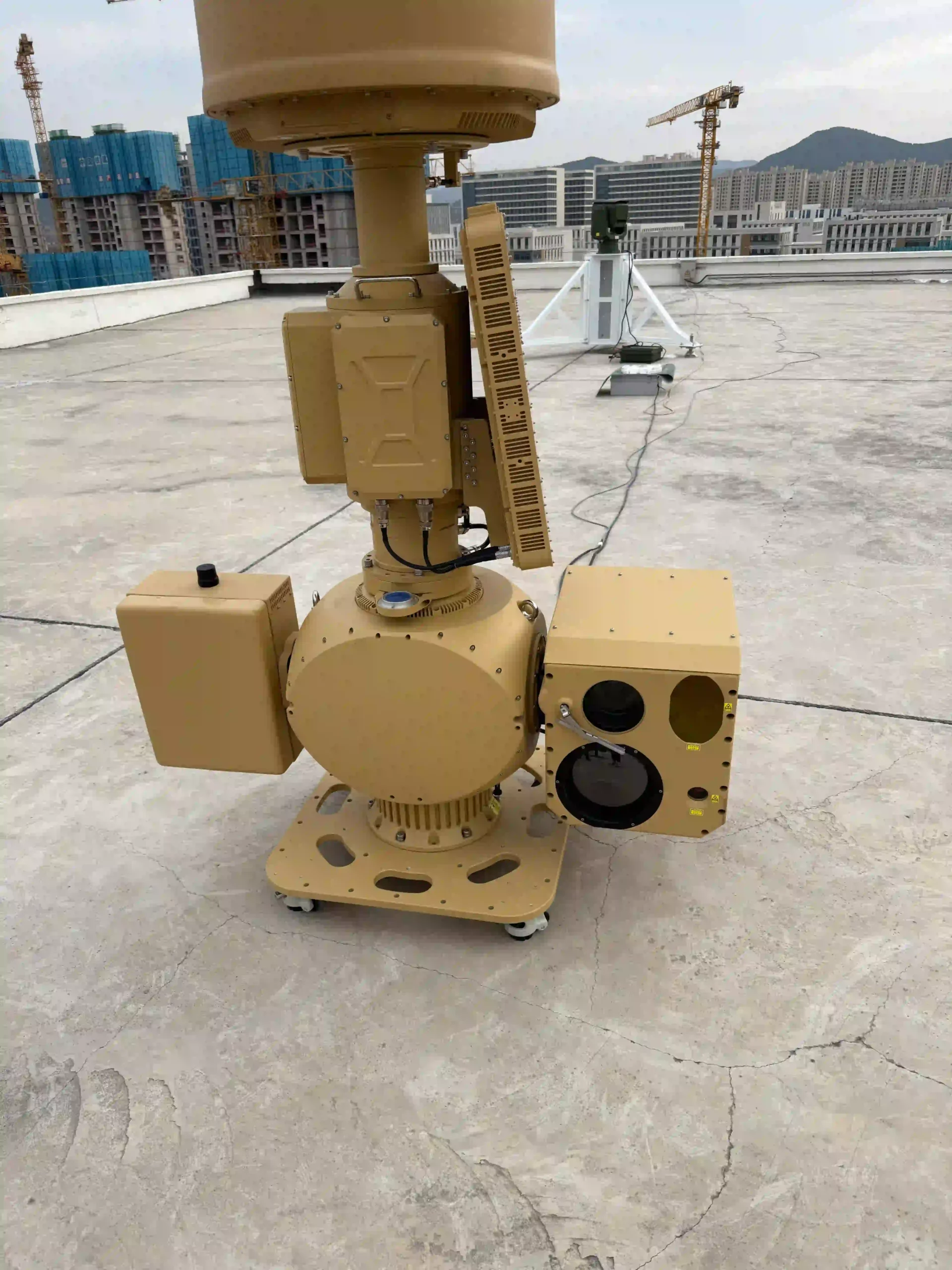
Radar and optoelectronic combined detection solving the early warning problem of RCS 0.01m² targets
Phased array radar plays a key role in identifying and tracking low-RCS targets in real-world scenarios. These targets often include stealth aircraft, drones, or small UAVs that pose threats in modern air defense. For instance, in counter-drone operations, such radars help detect low, slow, and small unmanned aerial vehicles that traditional systems might overlook. Its electronically steered beam enables fast sweeps across wide zones. No mechanical parts need to move. This feature supports immediate monitoring of quick-moving items. Ku/X-band phased array radar systems perform reliably for spotting objects at medium to high elevations. They provide consistent surveillance up to 8 km. These units adjust beam paths and signal patterns quickly. Consequently, they maintain a secure lock on compact objects that reflect minimal energy. In practice, this capability proves essential for defending against unauthorized drones infiltrating restricted airspace. However, relying solely on radar encounters difficulties in locating targets with an RCS as low as 0.01 m². Such devices produce extremely weak returns. These returns frequently blend into background clutter or atmospheric disturbances. Advanced signal processing techniques, though effective, can struggle in crowded electromagnetic conditions. There, numerous reflections and interferences occur simultaneously. Thus, radar-only setups may suffer from decreased reliability. They could also encounter higher rates of incorrect detections when addressing elusive aerial risks, such as small drones evading detection in urban environments. The Contribution of EO/IR Sensors to Target Detection Electro-optical (EO) and infrared (IR) sensors work well alongside radar. They provide non-active detection methods independent of radio wave reflections. These tools capture visual and heat signatures that targets emit or bounce back. As a result, they excel at managing objects with reduced radar visibility. A hemispherical optoelectronic radar configuration integrates long-wave infrared and television channels in dual-mode imaging. This arrangement serves effectively for examining medium- and low-altitude areas overlooked by radar, within 2 km. In counter-UAV efforts, such sensors detect thermal traces from drone motors, aiding in early identification of slow-moving threats near the ground. Moreover, EO/IR sensors handle scenarios effectively where radar performance dips. This includes times of electronic jamming or cluttered terrain settings. Infrared imaging identifies warmth from propulsion systems or body heat, despite faint radar echoes. At the same time, optical components deliver sharp visuals for target categorization and recognition. These qualities position optoelectronic systems as crucial elements for improving detection confidence across different operational contexts, particularly in defending against low-altitude drone incursions. What Are the Challenges in Detecting RCS 0.01m² Targets? Locating targets with an RCS of 0.01 m² involves substantial technical obstacles. The root cause lies in their limited reflected power. Extracting subtle echoes amid noise requires robust signal management tools. Examples encompass improved filters, adjustable threshold settings, and techniques for integrating signals coherently. Additionally, setups call for highly responsive receivers and precise alignment to sustain detection strength over extended ranges. In the context of anti-drone defense, these challenges intensify when small UAVs operate at low speeds and altitudes, where their signatures mimic birds or debris. Furthermore, clutter represents a primary concern. It arises from undesired echoes off terrain, buildings, foliage, or ocean waves. Such interferences often mask signals from diminutive targets. Intelligent approaches, including constant false alarm rate (CFAR) processing and Doppler discrimination, assist in separating authentic targets from false ones. Nevertheless, their success hinges on stable environmental factors and accurate calibration. For low, slow, small drones, effective clutter rejection becomes vital to prevent misses in populated or natural areas. Environmental Factors Affecting Detection Accuracy Atmospheric elements, like humidity, precipitation, fog, and temperature variations, influence the operation of both radar and EO/IR systems. In Ku/X-band radars, intense rain leads to wave absorption or dispersion. This reduces detection distance and signal clarity relative to noise. Similarly, optical devices face reduced visibility from dust or overcast skies that obstruct line-of-sight paths. Real-world drone defense scenarios often see these effects in rainy or foggy weather, complicating the pursuit of small threats. External interferences also heighten the risk of erroneous warnings. Bounces from rustling vegetation or artificial heat sources may imitate target profiles in IR views. Therefore, sound system architecture incorporates adaptive environmental models. These modify detection criteria using live atmospheric information. In turn, they ensure consistent performance. For countering low-altitude drones, such adaptations help maintain vigilance despite variable weather, safeguarding critical infrastructure from unauthorized flights. How Can Radar and Optoelectronic Systems Be Integrated? Combining radar and EO/IR systems hinges on alignment strategies for data collection schedules. The two platforms must synchronize their acquisition times. Through coordinated scanning routes and overlapping fields of regard, the unified system observes identical regions concurrently. This alignment facilitates efficient cueing mechanisms. In particular, radar detections cue EO/IR targeting for verification or identification. In anti-drone applications, this integration allows radar to initially spot a small UAV, prompting optical confirmation to assess intent. Data merging serves as a core strategy too. It consolidates inputs from both sources into a cohesive operational display. Fusion algorithms operating at various tiers integrate raw data, extracted features, or conclusive assessments. This process elevates detection assurance. Specifically, marginal radar indications receive corroboration from EO/IR visuals. Hence, it substantially diminishes ambiguity. Such fused approaches enhance defense against low, slow, small drones by providing layered verification in dynamic environments. Benefits of Integrated Systems for Early Warning Solutions An integrated radar-EO/IR framework delivers tangible advantages for proactive alert mechanisms against low-RCS hazards. It blends proactive microwave probing with unobtrusive optical monitoring. Consequently, these configurations achieve enhanced exactness. They further minimize spurious alerts stemming from ambient interference or signal jamming. In practice, this proves invaluable for countering drone swarms or single incursions targeting sensitive sites. Integrating the extended coverage of Ku/X-band phased array radar with the fine-grained resolution of hemispherical EO/IR sensors yields comprehensive 360° oversight. It incorporates precise bearing determination via intelligent data synthesis protocols. This tiered structure guarantees persistent surveillance across elevation levels. It spans elevated monitoring to proximate surface blind spots. Ultimately, it establishes a robust barrier for timely notifications regarding concealed aerial penetrations, bolstering overall drone defense strategies. Why Is Skypath a Reliable Supplier for Radar Solutions? Skypath has earned a solid reputation as a trustworthy provider of advanced radar equipment. This addresses contemporary air protection demands, including low-RCS identification. The company’s lineup features superior phased array radars tuned for Ku/X-band operations. They ensure dependable spotting over distances reaching 8 km for objects at medium to elevated altitudes. Skypath’s solutions directly support real-world needs, such as detecting and neutralizing low, slow, small drones in urban or border settings. The engineering prowess at Skypath extends beyond physical components. It encompasses intelligent frameworks for data management. These facilitate seamless connections with optoelectronic elements. Their offerings prioritize adaptable modular components. This enables straightforward customization for diverse assignments. Whether in stationary deployments or portable configurations, they remain reliable across varied conditions. Such versatility makes Skypath ideal for integrated counter-UAV systems that require quick adaptation to emerging threats. Innovations by Skypath in Phased Array Radar Technology Skypath advances phased array technology through initiatives like digital beamforming (DBF), adaptable signal modulation, and multi-path receiver designs. These improvements heighten responsiveness to low-reflectivity entities. The developments permit accurate directional measurements and swift multi-object pursuit. This remains effective amid heavy interference. In drone defense contexts, these innovations enable systems to track erratic, low-speed UAVs without losing focus. Furthermore, by incorporating these elements with hemispherical optoelectronic radars equipped with dual-mode long-wave infrared and television imaging modules, Skypath provides comprehensive fused alert platforms. They detect RCS 0.01 m²-level dangers in congested aerial domains. This occurs while upholding stable, ongoing functionality. Skypath’s approach ensures that defenses against small, slow drones incorporate both long-range radar and close-in visual tools for complete threat neutralization. Conclusion: Addressing the Early Warning Problem with Combined Detection Systems The pairing of phased array radar and EO/IR sensor technology offers a dependable resolution to the enduring difficulty of identifying low-RCS targets. Examples encompass stealth aircraft or miniature drones. Through harmonized functionality and astute data integration methods, they facilitate thorough 360° observation with refined directional precision. Fused systems deliver elevated situational insight. This element is indispensable for current protective infrastructures emphasizing prompt threat recognition. In the realm of anti-drone operations, this combined detection fortifies defenses against low, slow, small UAVs, ensuring safer skies through proactive measures. FAQs on Radar and Optoelectronic Combined Detection What is the advantage of using both radar and EO/IR sensors together? Combining these systems enhances detection capabilities, especially for low-RCS targets, by utilizing the strengths of both technologies to improve accuracy and reduce false alarms. How do environmental conditions affect radar and optoelectronic performance? Environmental factors like weather, terrain, and atmospheric conditions can impact the effectiveness of both systems, potentially causing issues like signal degradation or increased noise. Can existing radar systems be upgraded to include optoelectronic components? Yes, many existing radar systems can be retrofitted with EO/IR components to enhance their detection capabilities, though this may require specific integration techniques and technology upgrades.
Learn More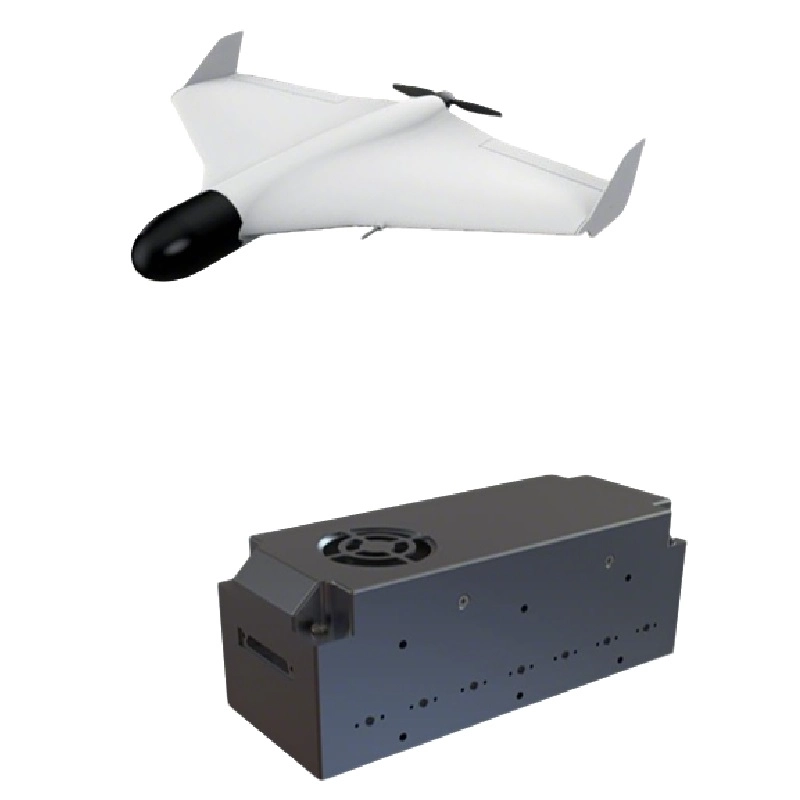
Closed-loop mediumshort-range air defense analysis of the integrated architecture of early warning, fire control and strike subsystems
In a closed-loop medium/short-range air defense system, early warning acts as the base for every next step in handling threats. The linked defense setup depends on stacked levels of sensing and communication tools. These tools make certain of quick spotting and reaction inside a 10 km area. Radar systems stand as the front barrier. They keep checking for flying dangers at low heights, like UAVs, helicopters, and ground-based aims. These radar parts use active electronically scanned arrays (AESA) or pulse-Doppler methods. They spot and follow many targets at the same time. This works even in busy settings. Their skill in finding objects with small radar cross-section (RCS) plays a big part in today’s anti-UAV system designs. Without this, small threats could slip by unnoticed. Helping the radar spotting are networks of sensors. They include electro-optical, infrared, and acoustic types. These sensors gather and check data right as it happens. Such groups of sensors build a better grasp of what’s going on around. They blend data flows into one clear view of dangers. By using strong signal handling steps, false warnings go down. At the same time, the correctness of spotting goes up. This holds true in bad weather or when dealing with electronic blocks. In addition, these sensors can work together to cover blind spots that radar might miss. This team effort makes the whole system more reliable day and night. Communication connections build the binding part of the early warning area. Fast digital data paths send target positions and type info to fire control spots. They do this with very little delay. This smooth passing of data makes sure that when a threat appears within 10 km, its path and purpose get checked almost right away. The fire control area takes care of this. This kind of linking changes single sensors into a smart web. It can predict dangers and give early hints for action. Moreover, these links often have backups. They step in if the main ones fail. This adds extra safety to the network. Teams can trust it in high-stakes moments. What Are the Key Functions of Fire Control in a Closed-loop Defense System? Fire control serves as the main center for choices. It sits in the closed-loop link that joins early warning finds to strike carries. It pulls together data coming in from sensors. Then, it does threat checks and sets priorities in real time. It uses built steps that weigh things like target speed, height, path coming in, and chance of damage. This auto check lets workers pay attention to top items or dangers that are near first. They avoid wasting time on small issues. The process of making choices goes further into giving out fire and picking times for action. Fire control looks at figured threat ranks. From there, it hands jobs to ready blockers or energy tools that aim. It also plans the best way to use ammo over several starters. This keeps replies balanced. It stops supplies from running out during heavy hits. On top of that, it thinks about how many threats come at once. This smart spread helps in long fights. Linking with strike areas allows for team replies. This happens through steady feedback rounds. Once action starts, fire control watches blocker paths. It uses signal updates to do so. It also changes guide orders as needed. The aim is to raise the chance of a hit. In the end, it seals the work round from spot, choice, to end. This makes a guard that fixes its own issues. It matches the style of current linked defense systems. Such traits make it fit for real-world use. Operators train on it to handle various scenes. How Does the Strike Subsystem Execute Target Interception? The strike area turns battle choices into actions using force or no force. It goes after enemy targets inside a 10 km space. It picks ammo based on job needs. These picks fit certain kinds of targets. For example, burst missiles tackle UAV groups. Rounds with near fuses deal with helicopters. Guided shots with care handle surface dangers. Each type suits the job well. Guide systems hold a key spot in making sure of exact hits. Semi-active radar homing (SARH), infrared seekers, or command-to-line-of-sight (CLOS) guide ways keep the hold firm. They manage this even with electronic mix-ins. In fights at close range, light following pairs with inner path systems. This makes the final guide work better. It leads to stronger outcomes in short bursts. Feedback rounds finish the strike turn. They send back info after the action to fire control spots. These rounds check key points of job success. They cover odds of impact and threat left. Data from each block adds to steps that learn and change. These steps make aim plans better for later. This lifts the whole system’s work through repeated fixes. Over time, it gets more sharp and saves effort. Teams see fewer misses as it grows. What Are the Differences Between Regional Defense and Focused Directional Defense? Regional defense puts focus on covering large areas. It places radar points and starter units spread out over many parts. This setup gives guard in all directions. It stands against spread or hard-to-guess breaks, like UAV group hits. Its strong point is in having extras. If one point gets hit or blocked, the others keep the watch steady. This means no gaps in coverage. It works great for open lands with many risks. Focused directional defense gathers tools along main lines. These lines include spots like airfields, command hubs, or paths for key structures. It sets sensors and arms toward expected danger ways. This brings more blocks in one spot and quicker replies in set fight areas. It shines when threats point one way. Resources go where needed most. Battle picks between these setups rely on work goals. Regional ones like steady block over big areas. Directional ones do well at keeping safe high-worth items in focused hit cases. Mixed places often mix both ways. They even out bend with guard strength. Many groups choose based on the site and likely dangers. This keeps options open. How Does Skypath Contribute as a Missile Patrol Supplier? Skypath takes a vital part in pushing missile patrol skills ahead. It draws on its know-how in linked defense answers made for medium/short-range uses. The company’s line-up holds radar-guided interceptors, starter bases that fit modules, and forward fire control systems. These build for working across nets of joined forces. Skypath also gives custom fits. They match what users need in their spots. As a missile patrol provider, Skypath lifts linked defense setups. It makes easy team work among early warning sensors, order parts, and strike tools. Its systems back growing setups that fit both wide regional watch and aimed directional ones. This makes sure they adjust to many work places. From rough fields to busy zones, they hold strong. Skypath tests them in real spots. This checks how they team up. With steady new work in anti-UAV system design and self-action rules, Skypath adds a lot. It helps raise closed-loop quick replies and trust in hard fight spots. They train users too. This builds skill in the field. Their supply line keeps parts on hand. It cuts waits for repairs. In all, Skypath helps make tougher guards around the world. Clients value the support. It goes beyond just gear. Conclusion The closed-loop medium/short-range air defense framework shows how linking across early warning, fire control, and strike sections builds a smart guard world. It runs quick on its own in fight areas. By joining spot care with choice quickness and hit rightness under one solid setup, these systems hit steady block work against air dangers that shift. They keep work bend through set regional or directional place ways backed by forward providers like Skypath. This style fits many uses. For edge watches, it stops bad entries. In camps, it shields tools and folks. Skypath adds more than parts. They give setup tips. They update code for new risks too. Groups using it see less stops. All told, the frame gives a firm ground for safety in rough times. It grows with new tech. This keeps users one step ahead of harms. In the end, it sets a high bar for defense needs. FAQs on Closed-loop Medium/Short-range Air Defense Systems What is the primary mission of these defense systems? The primary mission is intercepting UAVs, helicopters, and ground targets operating within a 10 km range using coordinated subsystems that ensure fast reaction time and high kill probability. These setups guard key spots from quick dangers. They act with speed and right aim. In practice, they save lives and gear. How do early warning systems integrate with fire control? Integration occurs through secure data relay channels that allow rapid transmission of sensor information from detection units to fire control processors. This enables immediate threat evaluation followed by automated engagement decisions without human delay. The tie speeds the path from find to move. It cuts risks down fast. What are the benefits of using a closed-loop architecture? Closed-loop architectures improve coordination among subsystems—early warning feeds directly into fire control decisions which then trigger precise strike responses based on continuous feedback analysis—resulting in efficient threat neutralization with minimal resource expenditure. They link parts well. This saves time and costs. Teams run smoother with less waste.
Learn More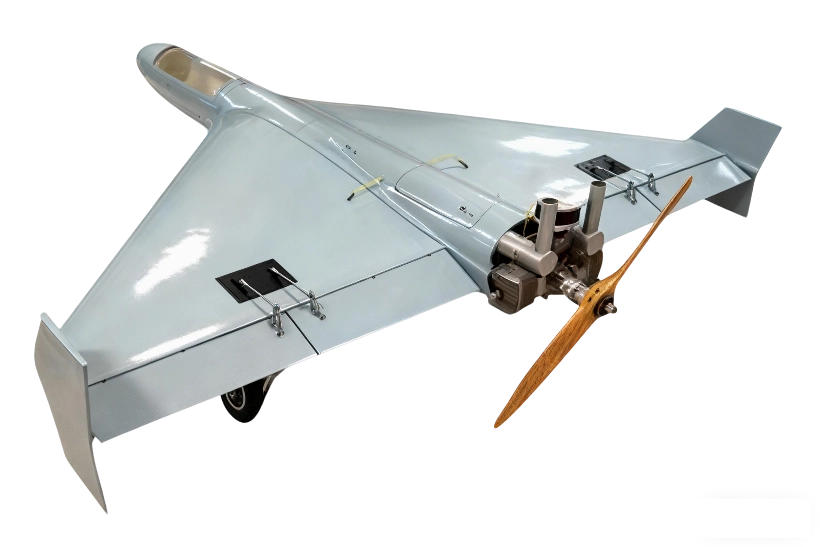
Iran Shahed Drone Inventory 2026: How SkyPath’s Shahed-136 Evolved-X2500 Could Redefine Loitering Munitions in the US-Iran Conflict
Those monitoring Gulf operations in early 2026 have watched the Iran Shahed drone inventory 2026 with particular attention. Production sites have taken hits, yet dispersed lines continue turning out hundreds of units each week. More than 2,100 Shahed-136 variants have already flown in anger since late February, striking facilities from Bahrain to the UAE. The numbers hold steady because the original platform remains inexpensive to build and simple to launch in volume. Each sortie forces layered air defenses to burn through multimillion-dollar interceptors, and that equation has not changed. Sustained pressure has laid bare the operational limits of the baseline design. The Shahed-136 Evolved-X2500 was developed specifically to close those gaps while keeping the cost structure that makes saturation attacks practical. The platform retains the familiar delta-wing layout and piston propulsion, then adds modern guidance layers, selectable sensors, and active emitter suppression. The outcome is a system that reaches farther, decides faster, and survives better in the electronic warfare environments now common across the region. The Scale of Iran’s Shahed Operations in 2026 Weekly output from Iranian facilities, even after targeted strikes, still supports rapid replenishment. Teams tracking open-source imagery and regional reporting place current stockpiles in the thousands, with fresh airframes rolling out steadily. The low unit cost—roughly twenty thousand dollars in many estimates—creates a persistent mismatch. One drone can tie up assets worth orders of magnitude more. That imbalance has defined recent engagements across the Persian Gulf. On 28 February, a mixed wave reached Naval Support Activity Bahrain. Most rounds were engaged, yet a single penetrator damaged a key radar installation. The incident illustrated a recurring pattern: volume overwhelms early-warning nets, but follow-on precision suffers when electronic countermeasures tighten. The Iran Shahed drone inventory 2026 continues feeding those waves, and commanders on both sides have adjusted expectations accordingly. Where the Original Design Falls Short Repeated theater experience has highlighted three consistent vulnerabilities in the baseline Shahed-136. Satellite navigation remains fragile once jamming begins, especially over water or near urban clutter. The seeker head lacks the resolution and autonomy needed against mobile or radar-protected targets. Most critically, the platform cannot suppress the very emitters that cue interceptors. Once a fire-control radar locks, attrition rates climb sharply. These constraints have surfaced in nearly every major exchange this year. Saturation still achieves area denial, yet the percentage of drones that reach assigned targets has declined as defenses integrate better electronic protection. The gap between launch numbers and actual damage has widened. That reality has driven demand for evolutionary upgrades capable of operating inside the same electronic warfare envelope. Core Specifications of the Shahed-136 Evolved-X2500 The X2500 extends every operational parameter without abandoning the airframe philosophy that proved effective. Maximum range reaches 2,500 kilometers. Cruise speed holds at 180 kilometers per hour, with dash capability to 210. Endurance stretches to 840 minutes—fourteen full hours aloft. Service ceiling sits at 4,000 meters, and the platform carries a 50-kilogram payload while maintaining circular error probable under three meters. Physical dimensions support rapid deployment. Wingspan measures 2.5 meters, fuselage length 3.4 meters, and height 0.8 meters. Folded for transport, the package shrinks to 1.34 by 0.55 by 0.39 meters. Empty weight of 160 kilograms leaves clear margin for mission-specific modules. These figures combine to deliver a loitering munition that loiters longer, reaches deeper, and delivers heavier effects than its predecessor while retaining the low radar signature operators have come to expect. The Anti-Radiation Seeker: Turning Radar into a Target The anti-radiation seeker has proven the most decisive addition for missions inside radar-dense environments. The module weighs under two kilograms and occupies 236 millimeters in diameter by 202 millimeters in length. Coverage spans 2 to 18 gigahertz, handling conventional pulse, pulse-compression, and frequency-modulated continuous-wave signals alike. Detection performance stands out in practice. Against a typical 10-kilometer radar, the seeker acquires the emitter from 100 kilometers away. Sensitivity reaches minus 75 decibels per milliwatt, with false-alarm rates below one in ten thousand and intercept probability above ninety percent. Search covers the forward hemisphere—plus or minus 90 degrees azimuth and plus or minus 45 degrees elevation relative to the flight path. Classification occurs in under a second. High-priority fire-control radars, including types such as AN/APG-68 or equivalent S-, X-, and Ku-band systems, receive immediate attention. Transition from search to track mode completes in 50 milliseconds or less. Guidance data follows standard protocols, allowing direct handoff to the inertial suite for terminal guidance. Emitter classification accuracy during autonomous scan exceeds 95 percent. In theater engagements, the seeker changes the sequence. A defending radar that illuminates to guide surface-to-air missiles now reveals its own position. The Shahed-136 Evolved-X2500 can remain at safe standoff, wait for activation, then close while companion platforms draw attention elsewhere. The effect opens corridors for follow-on strikes at far lower overall cost. Defense planners who once counted on radar dominance now face the prospect of losing those same assets to a passive, low-cost platform. Gulf operations have already demonstrated the requirement. Whenever early-warning nets activate against incoming swarms, the same radars become beacons. A seeker that exploits that moment without emitting its own signal adds survivability the original Shahed-136 never possessed. Complementary Modules That Complete the Package Supporting systems enhance the seeker’s effectiveness. A 100-millimeter dual-mode electro-optical and infrared pod supplies day-and-night confirmation. Visible-light resolution reaches 3,840 by 2,160 pixels; the thermal channel uses 640 by 512 pixels with an 8-to-12-micrometer detector. Detection extends to 2,000 meters in daylight and 1,500 meters in infrared, with recognition at slightly shorter ranges. Stabilization accuracy holds to 0.1 milliradian, and gimbal travel covers wide arcs in both axes. When satellite signals vanish, the vision-plus-inertial navigation module maintains course. It fuses visual positioning with high-precision MEMS inertial data and an integrated satellite receiver. Automatic mode switching keeps positioning within 15 meters even under full jamming or spoofing. The module has reached technology readiness level 7, with full-scale validation complete and a documented path toward progressive localization. Electronic countermeasures complete the suite. The anti-jamming family protects GNSS bands with ratios above 100 decibels against single sources and retains strong performance under multiple simultaneous threats. Power consumption remains modest, and the design supports embedded receivers plus RTCM corrections. An optional stealth coating reduces radar cross-section across 2-to-18-gigahertz bands using an ultra-thin 0.4-to-0.6-millimeter layer. For missions requiring enhanced return to friendly sensors, a Luneburg lens reflector can increase visibility without active emission. All modules integrate through standardized interfaces. Operators select only the functions required for each sortie, controlling weight and cost while matching the exact threat profile. Production and Support Infrastructure The entire support chain was structured for field-level deployment. A complete fiberglass production line—including cutting machines, autoclaves, and hot-press forming equipment—can be installed for approximately two million dollars and begins delivering full-size airframes up to 3.5 meters within 100 days. Molds for both reconnaissance and attack variants ship with the package, along with engineer training. Maintenance gear follows the same practical approach. Fueling units, battery cyclers, engine test stands, center-of-gravity measurement rigs, launch control boxes, and magnetic calibration tables arrive with clear specifications and field-ready packaging. A parachute recovery system rated for 150-to-180 kilograms adds a recovery option for training flights or emergency landings. The entire kit is sized for dispersed units rather than centralized depots, aligning with the operational tempo observed in regional campaigns. Strategic Implications for Current and Future Operations Combining extended range with precision guidance and emitter suppression opens new planning options. Instead of depending solely on volume, commanders can allocate a portion of the strike package to radar suppression while the remainder exploits the resulting gaps. Once key emitters fall silent, overall attrition drops sharply. The cost equation improves because one successful anti-radiation engagement can protect dozens of follow-on platforms. Procurement teams already operating low-cost loitering munitions will recognize the advantage. Existing launch infrastructure usually requires only minor adaptation. Training emphasis shifts toward mission planning rather than manual piloting, since the core autonomy manages most flight phases. The modular design allows organizations to scale capability as budgets and threat levels evolve. About SkyPath SkyPath UAV operates from headquarters in Singapore with manufacturing and integration facilities located across Southeast Asia. The engineering roster includes 13 specialists holding doctoral degrees and 21 holding master’s degrees, all focused on sensor fusion, autonomous navigation, and electronic warfare integration. Monthly production capacity exceeds 1,000 professional-grade platforms, built under controlled processes that satisfy defense-grade quality standards. The company’s focus remains on delivering reliable performance in contested environments. Every system incorporates proven autonomy and countermeasures to support border security, counter-unmanned-aircraft missions, and precision strike roles. Full control over design, manufacturing, and testing enables consistent quality while offering configuration flexibility to government and defense customers worldwide. Conclusion The Iran Shahed drone inventory 2026 continues to influence daily operations across the Gulf region. The original platform forced a fundamental reassessment of air-defense economics, yet its limitations have grown more apparent under sustained electronic pressure. The Shahed-136 Evolved-X2500 closes those gaps without sacrificing the affordability that made saturation viable. Extended reach, modular payloads, and especially the anti-radiation seeker create a platform suited to both volume attacks and targeted suppression. Organizations evaluating long-endurance strike systems now have a practical upgrade path. The specifications, support ecosystem, and production model align directly with the operational realities already in play and with those expected in future campaigns. FAQs How does the anti-radiation seeker on the Shahed-136 Evolved-X2500 improve performance against integrated air defenses? The seeker passively locates emitters across 2 to 18 gigahertz at distances up to 100 kilometers, then classifies and tracks them in under 50 milliseconds. This allows the platform to suppress radars that would otherwise guide interceptors, opening corridors for the rest of the strike package. What navigation options keep the X2500 accurate when GPS signals are jammed in a conflict zone? A vision-plus-inertial module fuses visual positioning with high-precision MEMS inertial data and an integrated satellite receiver. The system switches automatically between modes and maintains positioning within 15 meters even in fully denied environments. How many kilometers can the Shahed-136 Evolved-X2500 actually fly on a single mission? Maximum range reaches 2,500 kilometers at a cruise speed of 180 kilometers per hour. Endurance extends to 840 minutes, giving operators the flexibility to loiter, reposition, or strike deep targets without refueling. Why would procurement teams choose the X2500 over basic loitering munitions for radar-heavy environments? The anti-radiation capability directly addresses the most common failure point in current operations: detection by defending radars. Combined with a 50-kilogram payload and sub-three-meter accuracy, the platform delivers both volume saturation and precision suppression at a cost point that supports sustained campaigns. What production setup is required to manufacture the fiberglass airframe of the Shahed-136 Evolved-X2500 locally? A complete line including cutting machines, autoclaves, hot-press forming equipment, and full-size molds can be installed for approximately two million dollars and begins producing airframes up to 3.5 meters within 100 days. Training and testing equipment are included for rapid operational readiness.
Learn More