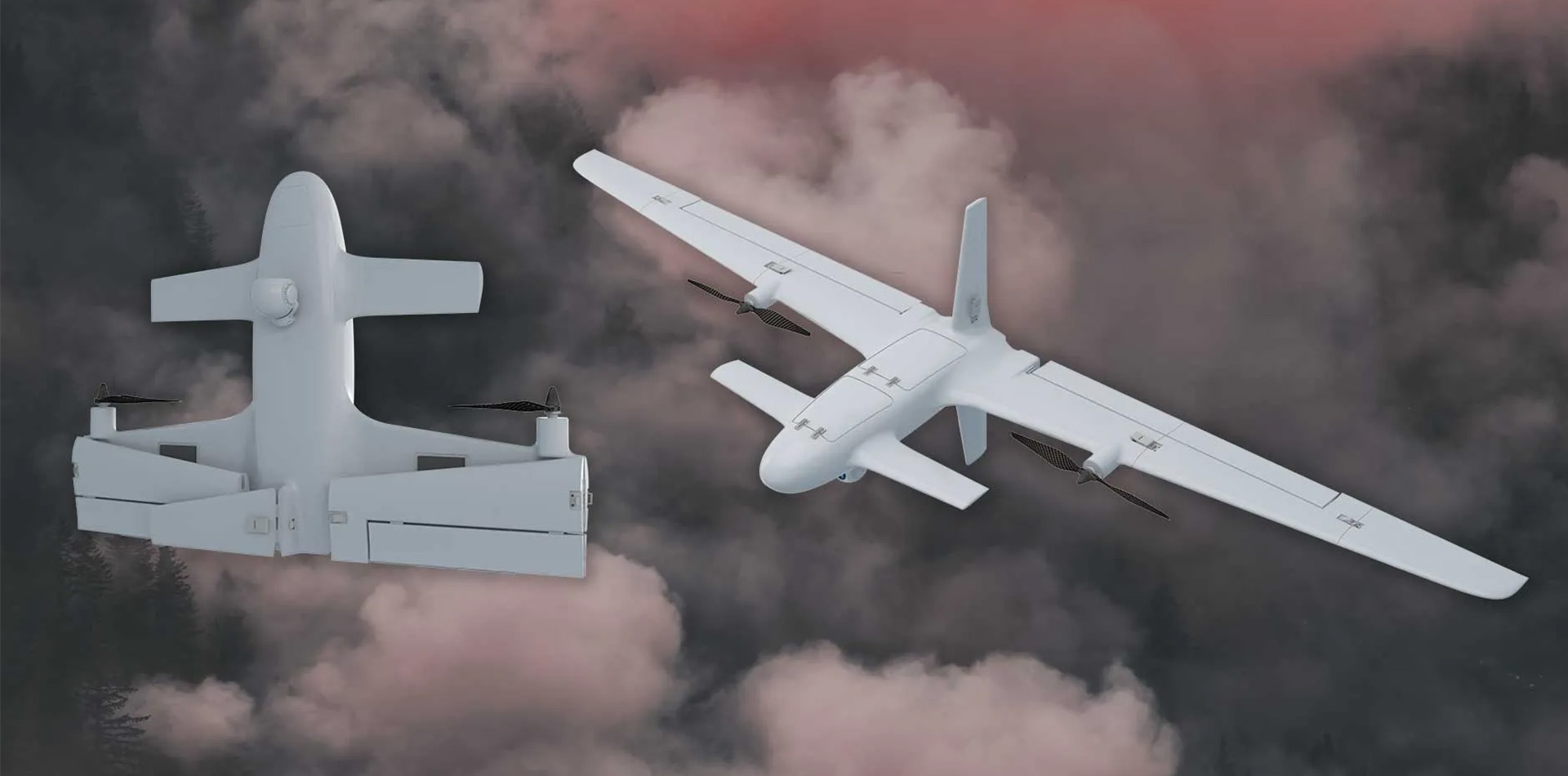
How Jammer Seeker Enhances Anti-Drone Defense Capabilities in Complex Environments
 author
 - 25th June 2026
Unmanned aerial systems (UAS) are rapidly evolving and become more mobile, autonomous, and complex. Consequently, current counter-measures for malicious use of UAS face ever-changing challenges in ever more complex environments. Detection of UAS is no longer the sole sufficient task of defense systems. As operational environments become more and more electromagnetic, crowded with signals and complex in terms of physical structures, defenses are required to maintain effective targeting and suppression of threats in uncertainty, operating in urban security areas, protecting critical infrastructure and in general on the battlefield.
New and advanced electronic warfare tools such as the Jammer Seeker are increasingly used in future counter-UAS systems. The Jammer Seeker supports detection and effective engagement of jammed sensors by means of intelligent signal recognition and adaptive jamming coordination. This article describes in detail how the Jammer Seeker can improve detection and jamming and integrate into a larger defense network to safeguard of air and other spaces.
What Challenges Do Complex Environments Pose to Anti-Drone Operations?
Modern anti-drone operations have a multitude of challenges when it comes to conducting said operations within complex environments such as urban, industrial and military environments. These challenges are primarily hindered by the dense levels of electromagnetic interference found within said environments, along with adverse visual factors such as line of site obstruction and ever-evolving methods employed by drones in order to evade negative effects from anti-drone systems. These evolving methods, combined with the factors of detection, identification and ultimately engagement within said complex environments pose significant challenges to the respective processes of respective counter-UAS systems.
Signal Interference and Spectrum Congestion
Anti-drone systems in high electromagnetic density environments face many challenges. The environment is saturated with RF signals from sources such as local area network Wi-Fi, cellular communications, and industry equipment. In such a crowded environment, the narrowband signals of drone control and sense links can easily be masked by background noise, allowing them to remain undetected and thereby allowing them to pose a threat for some time. Many UAS use frequencies that are already in use for civilian communications. Counter-UAS sensors and jamming systems can be negatively affected by overlapping frequencies with these civilian communications. In the worst case, this could result in false detection and engagement of a civilian aircraft, or a UAS signal could not be effectively jammed due to civilian signal overflow.
Physical Barriers and Terrain Complexity
The urban environment, with its many buildings, trees, and even changes in ground level, introduces physical obstacles to line-of-sight detection. The multipath effects that these obstacles introduce to radar signals as well as to RF tracking signals from the drone, cause significant difficulties in tracking the position of the adaptive drone. In particular, the drone can fly very low, even into between buildings, or through very narrow openings, and thus evade traditional jamming or other forms of interception. In order to counter such drones, sensing strategies that are able to penetrate through the environmental masking that is introduced by the physical environment must be incorporated into anti-drone systems.
Dynamic Threat Behavior
In addition to these methods to counter drones, the dynamic behavior of modern drones to defend against them has to be taken into account. Autonomous flight control systems of drones are able to change their flight path during active countermeasures like jamming or GPS spoofing. In addition, new tactics with so-called drone swarms have to be expected. These swarms consist of several drones that are operated in a cooperative manner. This results in an increased complexity for detection and defense systems. In order to counter drones effectively, defensive measures have to be flexible in order to react in real time to the various application cases.
How Does Jammer Seeker Strengthen Detection and Targeting Accuracy?
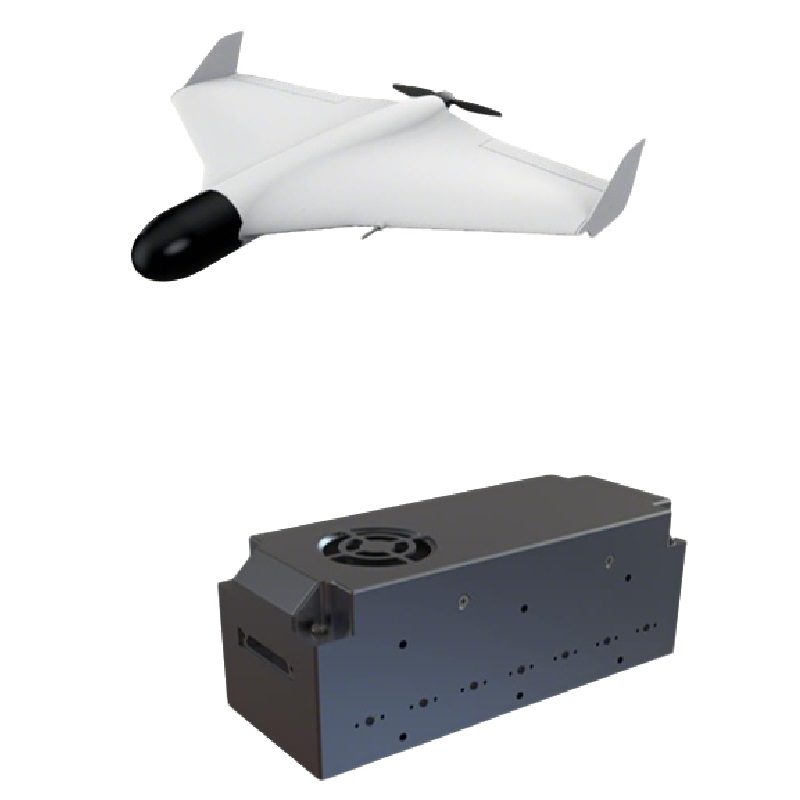
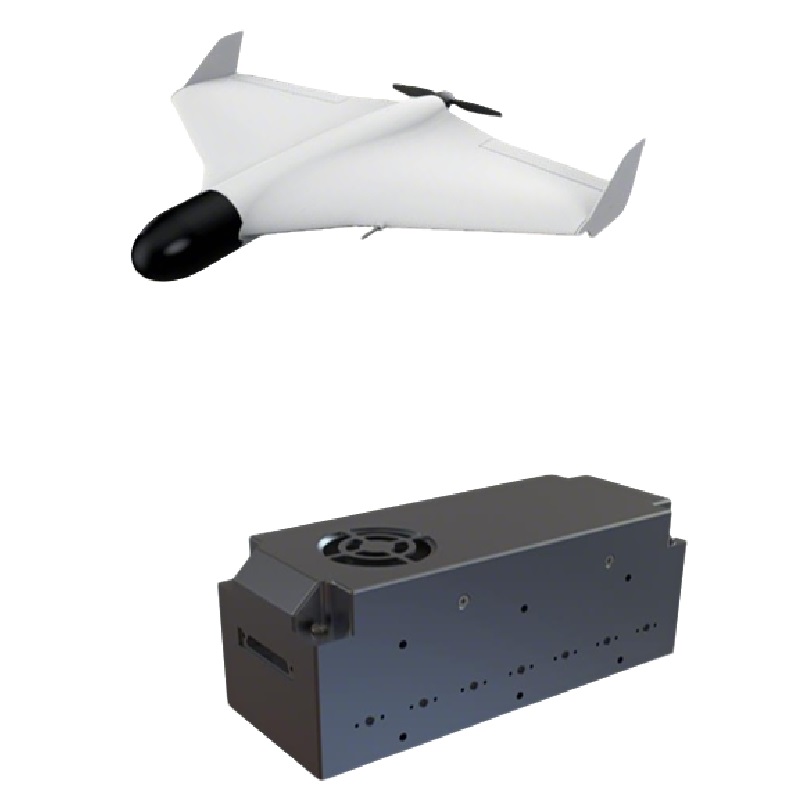
The Jammer Seeker product offers a detection and targeting solution using multi-sensor fusion and intelligent signal processing. The “Drone Hunter” Anti-Drone Jammer Seeker is a small, miniaturized, electronic warfare (EW) payload, which is meant to be mounted on loitering munitions or attack drones. Its mission is to detect, identify and geolocate jamming sources of enemy drones in a very wide frequency range, while keeping a high accuracy in highly cluttered electromagnetic environments.
Multi-Sensor Fusion for Reliable Threat Identification
Jammer Seeker’s architecture combines radar sensing, RF analysis, optical imaging, and acoustic detection into a unified system that ensures comprehensive situational awareness. By continuously providing precise azimuth (directional) data of the hostile jammer to the drone’s flight control system, it works in tandem with an onboard electro-optical (EO) system for final verification. This cross-verification reduces false alarms common in congested environments. Adaptive algorithms refine detection thresholds based on real-time feedback from environmental conditions such as signal density or atmospheric interference.
Direction-Finding Precision in Electromagnetic Clutter
Dense RF environments with changing signal levels and significant amounts of interference enable Jammer Seeker to use its high-gain antennas to accurately detect the source of interfering signals. Its advanced filtering enables it to discern and track legitimate communication signals from control signals used by hostile drones or jammer units. It accurately tracks and reports multiple emitters operating within the same general frequency space but within different frequency bands.
Real-Time Data Processing and Decision Support
Jamming emitters are detected instantly by the computing unit of the system. The emission characteristics of detected emitters or their distance to so-called protected zones are used to automatically classify detected emitters as high risk for defensive action and to prioritize them. Jammer Seeker-equipped systems are connected to the command computer of broader command networks. Thereby, Jammer Seeker-equipped systems are able to immediately share all data that has been acquired on current threats with other defensive system components within seconds in order to initiate appropriate joint response actions in several layers of defense.
In What Ways Does Jammer Seeker Improve Jamming Efficiency?
Jammer Seeker is not only able to precisely detect targets, it also significantly increases the efficiency of jamming by controlling and adapting the jamming in real time in order to avoid excessive interference and, at the same time, effectively prevent hostile drones from completing their mission.
Adaptive Jamming Techniques
The output power of Jammer Seeker can be changed based on the distance to the target and the signal power. The frequency can be selectively targeted within a range of frequency bands that correspond to enemy control links and/or telemetry links. Smart learning algorithm from past engagements is used to improve the efficiency and effectiveness of Jamming in subsequent engagements against changing threat.
Frequency Agility and Signal Control
Frequency agility enables Jammer Seeker to search across multiple frequencies that are used by today’s UAVs that employ frequency-hopping communication and enable the jammer to continue to attack the UAVs when they attempt to use spectrum agility to avoid being attacked. In addition, Jammer Seeker has two modes of operation for its jamming. Directional jamming can be focused on a single target for maximum effectiveness. The omnidirectional mode of operation can be used to attack all targets in a surround scenario where a swarm of UAVs are attacking a single location.
Minimizing Collateral Impact on Friendly Systems
Safety of operation in mixed electromagnetic environments is a critical task. Since such operations are performed by friendly forces using the same communication infrastructure, operational safety of Jammer Seeker has to be ensured. Jammer Seeker is equipped with safety features to prevent interference with allied communication networks. It can be set up with exclusion zones to protect signals of interest from being jammed. Furthermore, it complies with civilian regulations for operation in areas with a high population density or near critical infrastructure like bridges etc. and needs to preserve spectrum integrity.
How Does Jammer Seeker Integrate Into Broader Counter-UAS Architectures?
Effective airspace defense requires integration across multiple sensor modalities and engagement layers. The modular design of Jammer Seeker supports seamless incorporation into existing counter-UAS ecosystems comprising radar surveillance units, electro-optical trackers, electronic support measures (ESM), and kinetic interceptors.
Networked Operation Within Multi-Layer Defense Systems
The Jammer Seeker system interfaces with standard radar systems via interoperable communication protocols. It shares real time information with other distributed assets to enhance situational awareness of the emitter’s location. This information is then contributed to a central command center that manages a layered defense system. Information from the Jammer Seeker can be used to coordinate engagements between the Jammer Seeker’s electronic warfare assets and the interceptors, with the emitter being suppressed by the Jammer Seeker’s assets before being engaged by the interceptors. This strategy optimizes the use of the defense network’s assets.
Scalability Across Deployment Scenarios
Modular and flexible for fixed, mobile and temporary installations, the system can protect critical infrastructure, convoy routes, bases and facilities. It can be also easily deployed by tactical teams moving from place to place and working in dynamic environments. Scalable in terms of the area to be covered and the number of sites, it can be set up to create local protection areas or even to monitor a wide area. It also allows for a centralized or decentralized command structure, in line with the users’ operational methods and doctrine.
Why Is Skypath a Reliable Partner in Counter-UAS Solutions?
Skypath is one of the world’s leading technology companies specialized in electronic warfare, anti-drone technologies and related solutions and products that support defense, law enforcement and critical infrastructure entities, focusing on highest technology and highest operational capability, adhering to highest professional standards and service quality.
Commitment to Innovation and Quality Assurance
The “Drone Hunter” Anti-Drone Jammer Seeker is a small, miniaturized electronic warfare (EW) payload for loitering munitions and attack drones. This is in line with the Skypath miniaturization approach without compromising functionality for achieving robustness in contested environments while at the same time being compliant with international rules for EW systems.
Comprehensive Support Ecosystem
In addition to Skypath’s range of hardware Skypath also offers a comprehensive range of client support services. Skypath’s Operator Training Sessions, Technical Assistance, Firmware Updates and Life Cycle Maintenance Planning ensure that the Skypath system continues to operate at peak performance throughout its deployment life.
Conclusion: The Strategic Value of Jammer Seeker in Modern Defense Networks
This system is a cornerstone of advanced drone-centric electronic warfare tactics: It exemplifies how precision sensing combined with adaptive jamming transforms defensive posture against complex aerial threats into proactive suppression capability. By merging autonomous decision-making with multi-sensor intelligence fusion, Jammer Seeker empowers operators to maintain secure airspace dominance even amid dense electromagnetic clutter—reinforcing its strategic importance within next-generation defense architectures focused on integrated counter-UAS operations.
FAQs
1. What types of drones can Jammer Seeker detect and neutralize?
Jammer Seeker can identify commercial-grade UAVs, modified hobbyist platforms, and custom-built drones operating across various RF bands used for remote control or GPS navigation links.
2. Can Jammer Seeker operate effectively in urban areas with high signal density?
Yes. The adaptive filtering algorithms of the system are able to distinguish between legitimate communication traffic and drone-associated signals also in highly populated metropolitan areas.
3. How does Jammer Seeker support multi-system coordination during large-scale operations?
Through standardized network interfaces compatible with existing C4ISR infrastructures, it shares real-time target intelligence enabling synchronized responses among surveillance radars, EO trackers, and interceptor units during coordinated defense missions.

Main Products
Our Main Products
At SkyPath we develop cutting-edge drones for every situation. Please browse our products.
Contact Us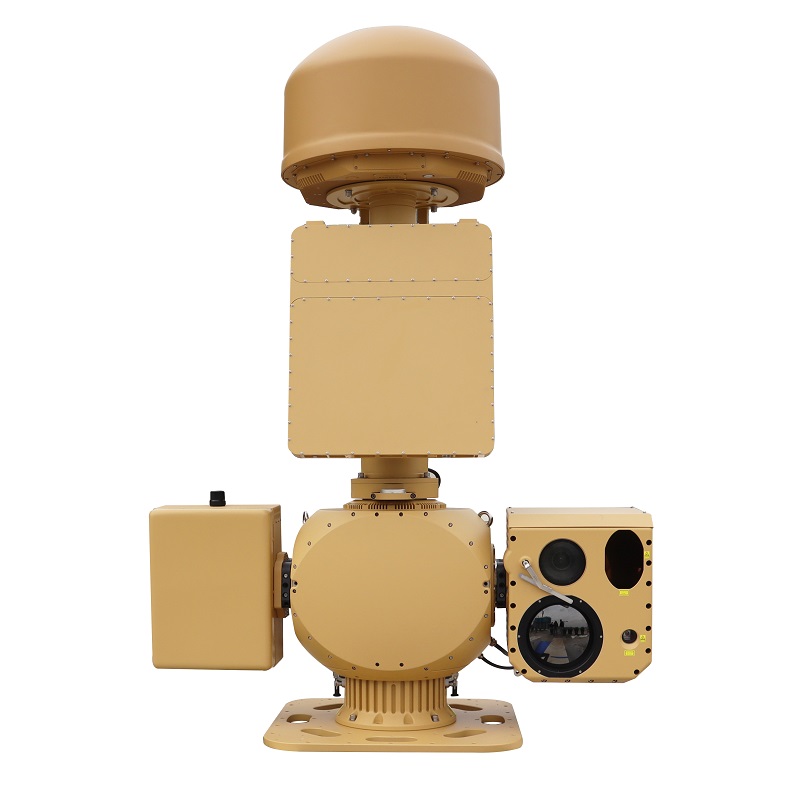
AUS70 Heavy-Duty Integrated C-UAS System
Anti-Drone Jammer Seeker
AD SERIES
Anti-jamming antenna AJ410
Anti-jamming antenna AJ440
Radar Absorbing Agents