Fixed Wing Drone: The Complete Guide for Professionals
 author
 - 12th June 2026
As fixed wing drones are designed for efficient flight in the forward direction, they are different from multi rotor drones, which spend most of their time airborne simply staying there. The wings of a fixed wing provide the lift to allow flight, and there are many key parameters, including range, endurance, and even payload, that are significantly different from a multi rotor, including the way a drone is launched, the amount of training required to fly it and the type of jobs that it is well suited to.
For professional teams it is not a question of whether fixed wing drones are better than multirotors. The question is rather where the fixed wing platform is best to be used. In situations where long distances, large areas, repeated mapping flights, corridors along borders, lines of industrial sites or even reconnaissance/observation are involved where the drone can stay in the air for a long time as opposed to just hovering around one point, a fixed wing platform is the better choice for the mission.
What is a fixed wing drone?
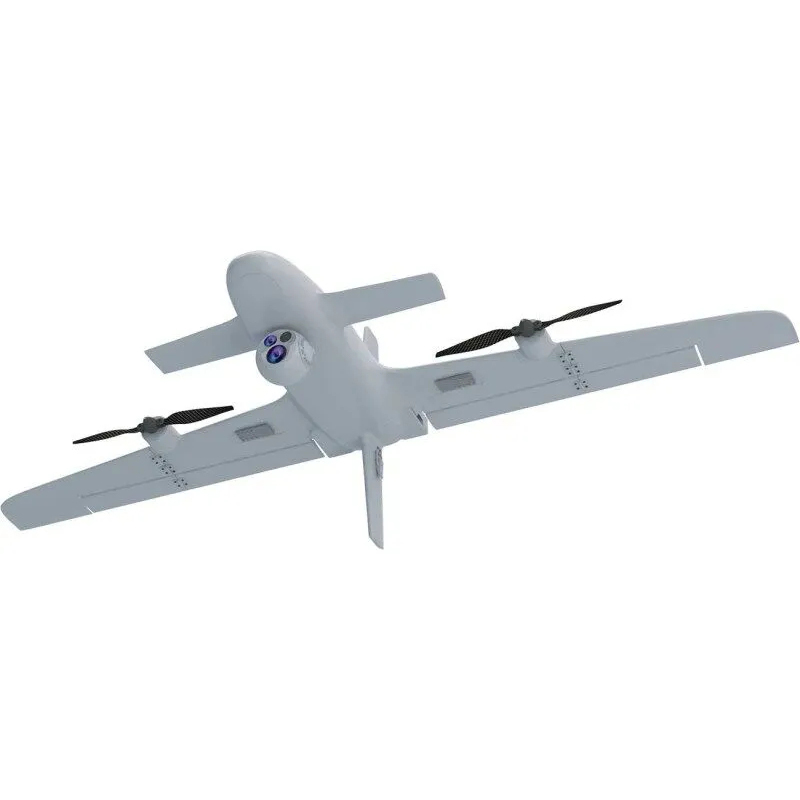
A fixed wing drone is an unmanned aircraft with wings that remain in a fixed position during flight. It may use an electric motor, hybrid power system, or other propulsion setup, but its main advantage comes from aerodynamic efficiency. Once airborne, it can travel farther with less energy than many hover-only drones.
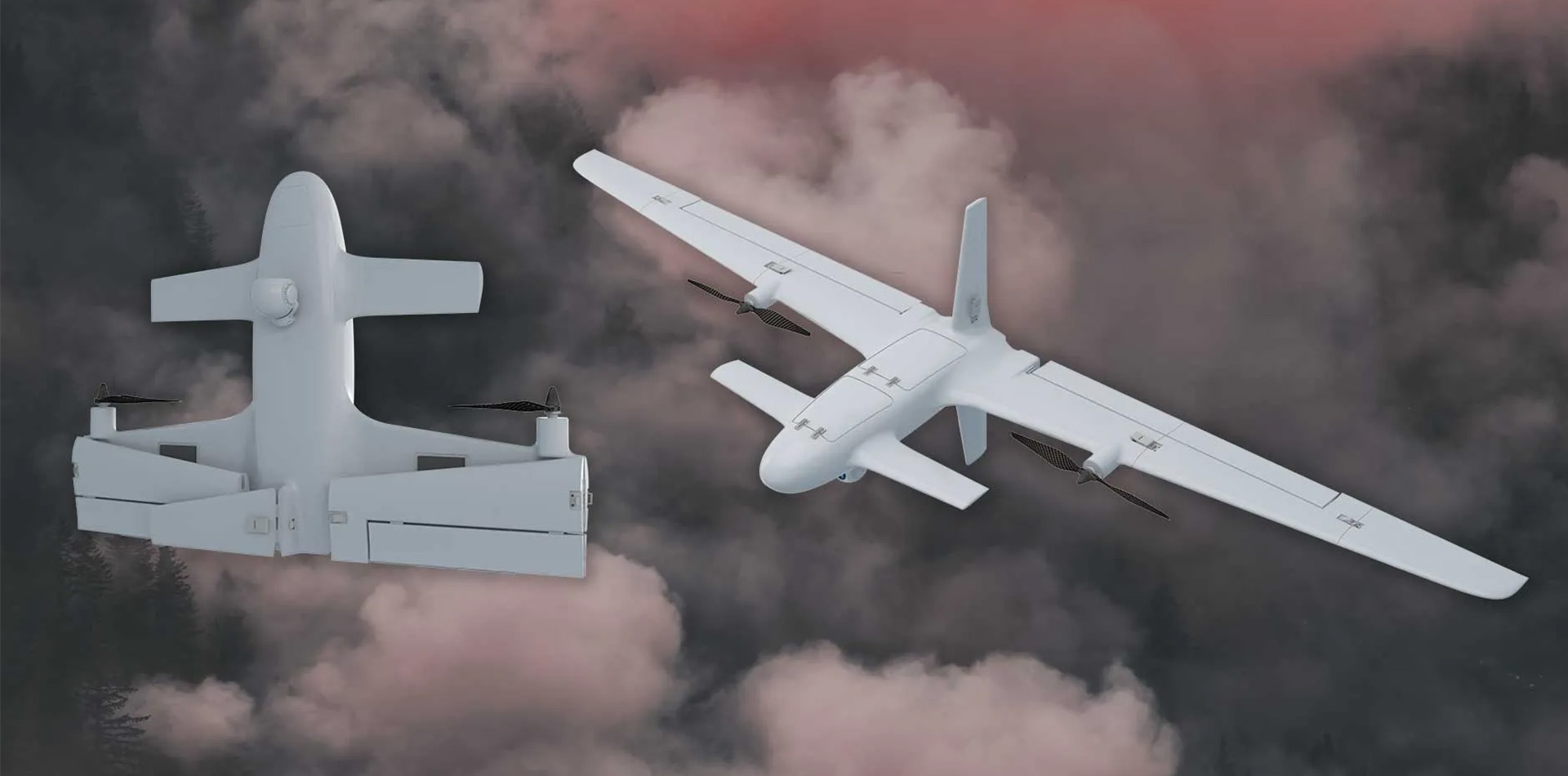
Shadow Striker 2400 page on Skypath’s website shows a VTOL fixed-wing UAV which can take off vertically and then fly efficiently along a route.
How is a fixed wing drone different from a multirotor?
Multirotors are powerful for things like hovering, tight close up work, vertical flights and easy take off and landing in confined spaces. Fixed wing aircraft are generally powerful for long duration flights and long distance travel. Many professional buyers actually purchase in both categories as each solves different problems.
| Category | Fixed wing drone | Multirotor drone |
| Best fit | Long routes and wide-area coverage | Close inspection and hovering |
| Endurance | Usually longer for route flight | Usually shorter under hover load |
| Launch need | Runway, catapult, hand launch, or VTOL design | Vertical takeoff from small spaces |
| Payload style | Mapping, surveillance, route observation | Close camera work, spot inspection |
| Operator focus | Route planning and recovery area | Position control and obstacle clearance |
Why do professionals choose fixed wing drones?
The main reason for using a fixed wing drone over multirotors for inspection work is the coverage that they can provide. Unlike multirotors which may manage to complete a satisfactory inspection from a number of takeoffs and landings from individual inspection points – meaning that the work is counted in individual sites to be inspected – a drone with fixed wing flight will fly the entire area of the work required along a planned flight path, covering kilometers of the work as a single flight, and requiring fewer recharges of the battery for the work to be completed. A good example of where this is particularly beneficial is over large areas of farmland or open terrain, where along linear features such as roads, pipelines, powerlines, or coast and border lines, a linear coverage is required.
Longer endurance
Endurance is typically one of the first considerations when a buyer is looking to make a purchase. Flight time is critical in ensuring that there are fewer launches, less battery swapping and less time spent dealing with interruptions in the field. And, in completion of routes, there is some buffer for items outside of normal operation such as wind and terrain that will add time to completion of a normal route.
Better route efficiency
Fixed wing aircraft are normally most efficient flying continuously in one direction, hence suited to projects such as mapping grids, corridor surveys, perimeter checks and patrol routes where the most efficient method of survey is flying in a straight line in one direction.
Stable platform for wide-area sensors
Professional fixed wing drones are designed to carry a wide variety of payloads including camera systems, thermal sensors, mapping and more. The critical point is to properly match the weight, power requirements and stabilization needs of the payload to the aircraft.
What is a VTOL fixed-wing drone?
This VTOL fixed-wing drone takes off and lands vertically in small areas and then continues to fly forward in straight lines. By removing the fixed-wing problem of the runway or large area of recovery, this form of drone is very popular with field services.
VTOL aircraft are particularly suited for sites that are a vehicle pull-off area, a small base, a clearing or a temporary field location. The aircraft can launch from the compact site, complete the flight and return to the site without the need for a runway.
Where are fixed wing drones commonly used?
Instead, fixed wing professional drones are used to provide consistent aerial coverage over longer distances. These aircraft are designed to do a specific job so should be chosen to do that job as opposed to being used as another gadget.
- Border and perimeter observation where long corridors have to be observed.
- Routes for inspecting power lines, pipelines, railways and roads.
- Mapping and surveying where the ability to fly repeatable paths is critical.
- Agriculture and land management over large fields.
- Search, disaster assessment and give of aid over wide areas.
- Reconnaissance type observation. Long endurance and stable payload required.
What should buyers check before choosing one?
When purchasing a fixed wing drone, first consider the flight route. How far is the flight, how long will the aircraft be in the air, what weight of payload will it be carrying. Also, where will the team be launching from and recovering to. These questions are far more relevant than reading the specifications of individual models.
Endurance and practical range
Published flight time is just a starting point. There are several variables that in practice will reduce the flight time and thus the flight range, such as the weight of the payload, wind, temperature, altitude, flight speed and the rules regarding the reserve battery. We would like to know the conditions under which the published endurance time was determined.
Payload and image quality
A fixed wing is only as good as the payload it carries to answer the mission question. A mapping crew will care about things like image overlap and ground sample distance. A security unit will care about stabilized video, low light and thermal imaging. A maintenance organization will care about repeatable route imagery.
Launch, recovery, and transport
Classic fixed wing drones may need a runway, hand launch, net recovery, or open landing area. VTOL models reduce that demand but add their own checks around transition, battery use, and maintenance. Transport size also matters if a single team must carry the aircraft.
Communication link and data workflow
Range is more than just a number for an aircraft. Factors such as communication link, antenna, GCS, and local interference all affect the real world operation. Also, the data should automatically feed into a report, map, or review file and not waste field personnel’s time.
How much maintenance does a fixed wing UAV need?
Pre-initiation maintenance must be planned for prior to the first flight of a UAS. It is recommended that all components including wings, motors, propellers, landing gear, VTOL lift motors, batteries, connectors, gimbals, and control surfaces be inspected prior to flight. In addition to these items, it is recommended that the following items be tracked and or updated during subsequent flights: flight hours, hard landings, software updates, and/or payload calibrations.
For professional work, spare parts as well as service support are just as important as aircraft specifications. A drone that is flying well and fixing parts for weeks may cost too much for a very busy inspection or security work.
How does Skypath support professional UAV buyers?
Skypath lists UAV and related system categories for professional/defense use. Such categories include: unmanned aerial vehicles, reconnaissance platforms, anti-interference technologies, etc., and also products that are used as payload. Users can view the complete categories on Skypath Products Page, and gradually narrow down their choices to fixed-wing or VTOL fixed-wing type drones.
For the professional buyer, the most important topic to be discussed with the supplier would be the characteristics of the aircraft itself, but also the possible payloads, flight routes and the launch method. Furthermore it is important to discuss the possible communication methods, required training, possible spares and the long term field support. The right fixed wing drone is more than just an airframe, it is a complete working system that needs to fit the user and the working team.
Conclusion
For long range work requiring wide area coverage, a fixed wing is usually the best choice. However, they are not suited for very close inspection work or confined spaces, often being replaced by hover-first platforms on such jobs. The best system for any given work is typically one that bests its competitors in several key areas including endurance, payload, launch method, communications link, maintenance, and data workflow.
FAQs
Is a fixed wing drone better than a multirotor?
I generally use fixed wing for long routes, and multirotor for hovering and close up inspection work.
What is the benefit of a VTOL fixed-wing UAV?
The aircraft can take off and land as a helicopter and then travel in a highly efficient, fixed wing aircraft. This makes such an aircraft ideal for teams who are working from very small or temporary field locations.
What payloads can a fixed wing drone carry?
Some common professional payloads are; Mapping cameras, Stabilised video cameras, Thermal sensors and other approved mission payloads that fit within the aircraft’s payload capacity.
What should be checked before buying a fixed wing drone?
Verfiy the flight path length, the practical flight duration, the maximum payload, the launch and recovery details, the communication coverage, spare parts and the reporting details.

Main Products
Our Main Products
At SkyPath we develop cutting-edge drones for every situation. Please browse our products.
Contact Us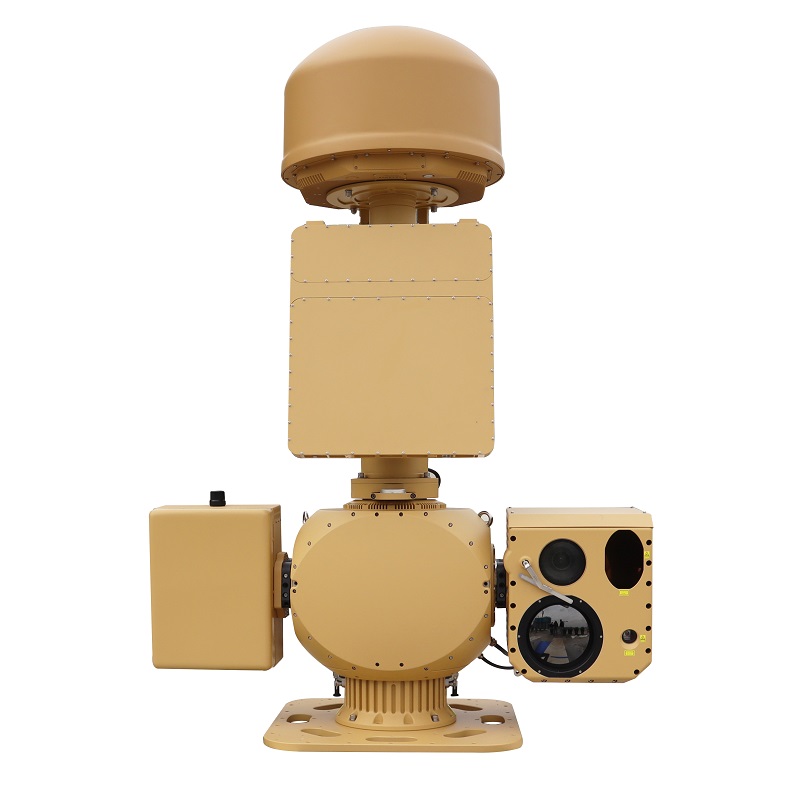
AUS70 Heavy-Duty Integrated C-UAS System
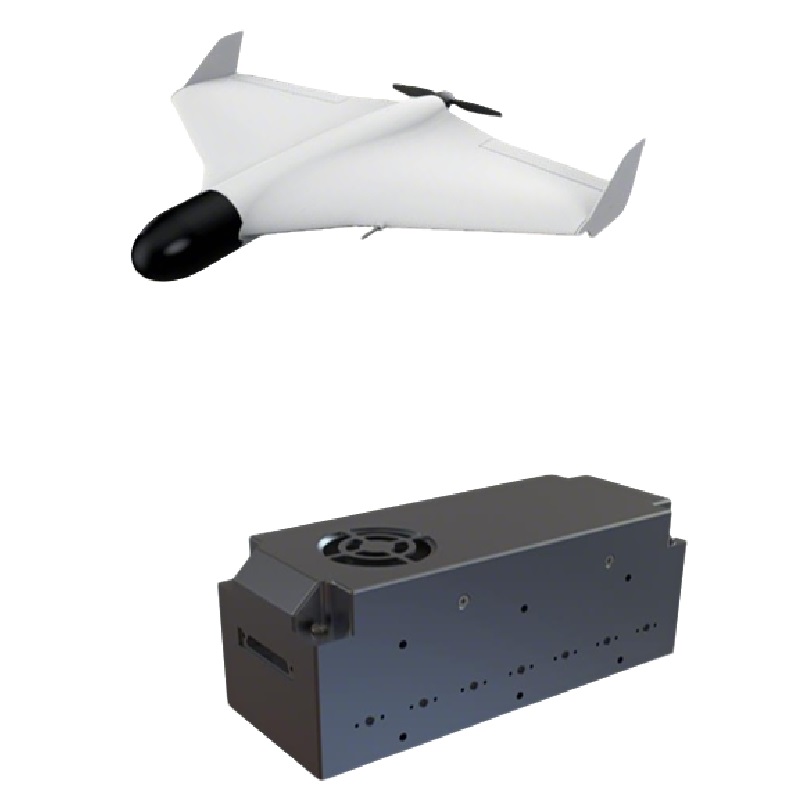
Anti-Drone Jammer Seeker
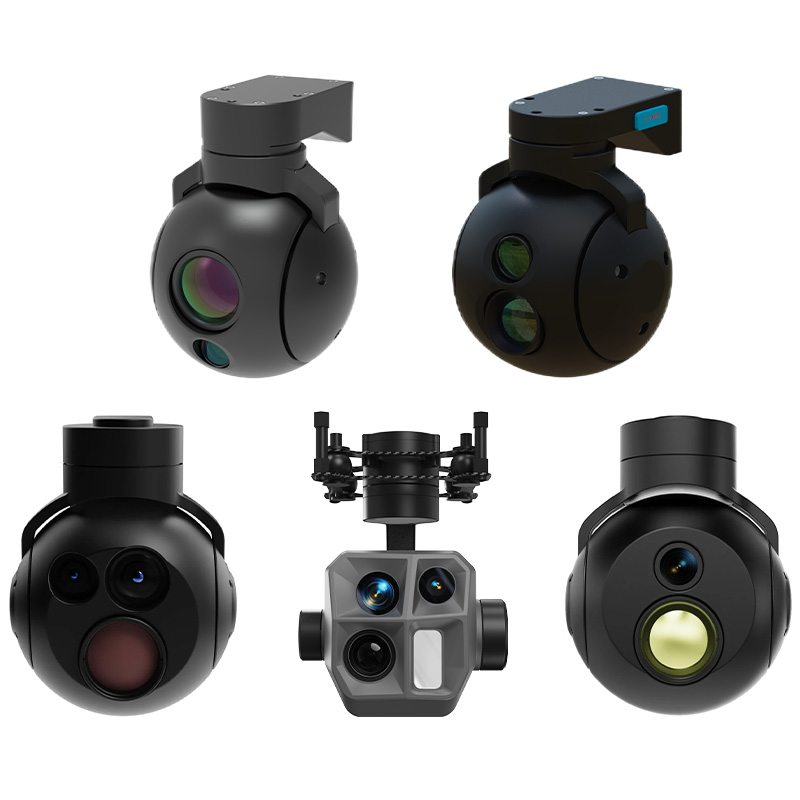
AD SERIES
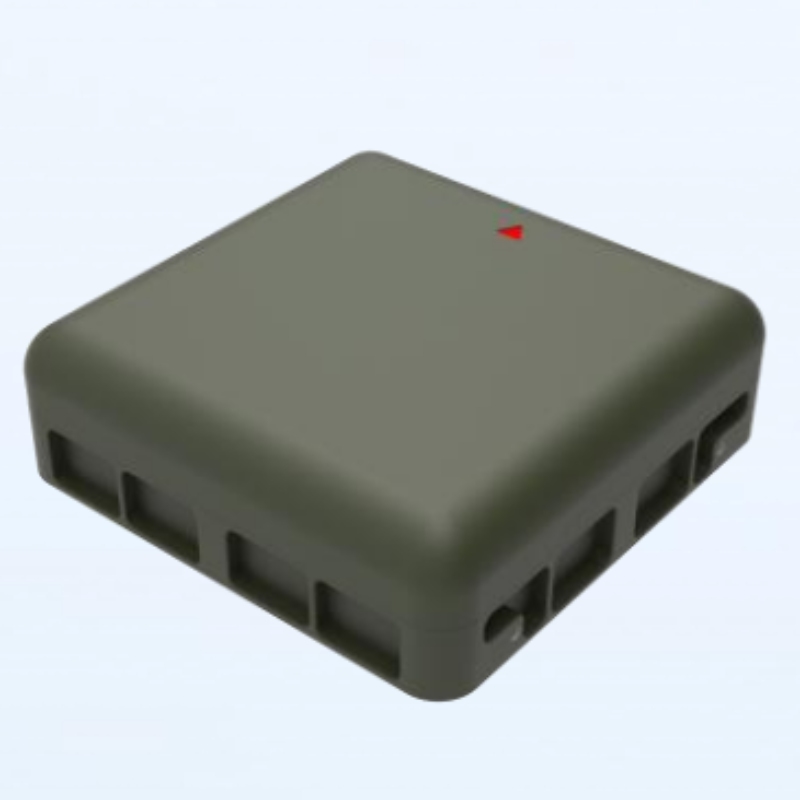
Anti-jamming antenna AJ410
Anti-jamming antenna AJ440
Radar Absorbing Agents