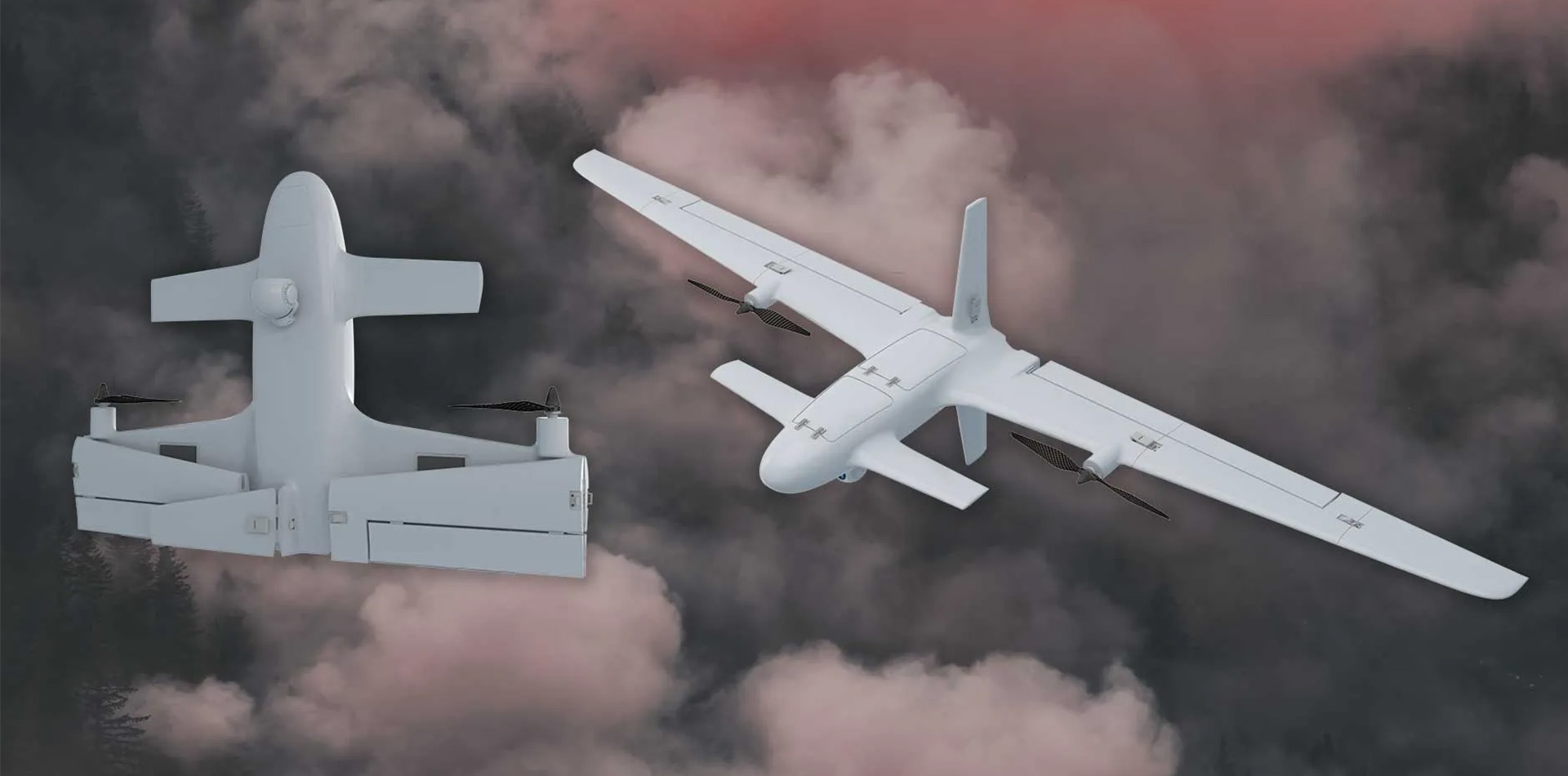
The Future of Unmanned Combat Systems: ISR Drones, Autonomy, and Responsible Mission Awareness
 author
 - 3rd July 2026
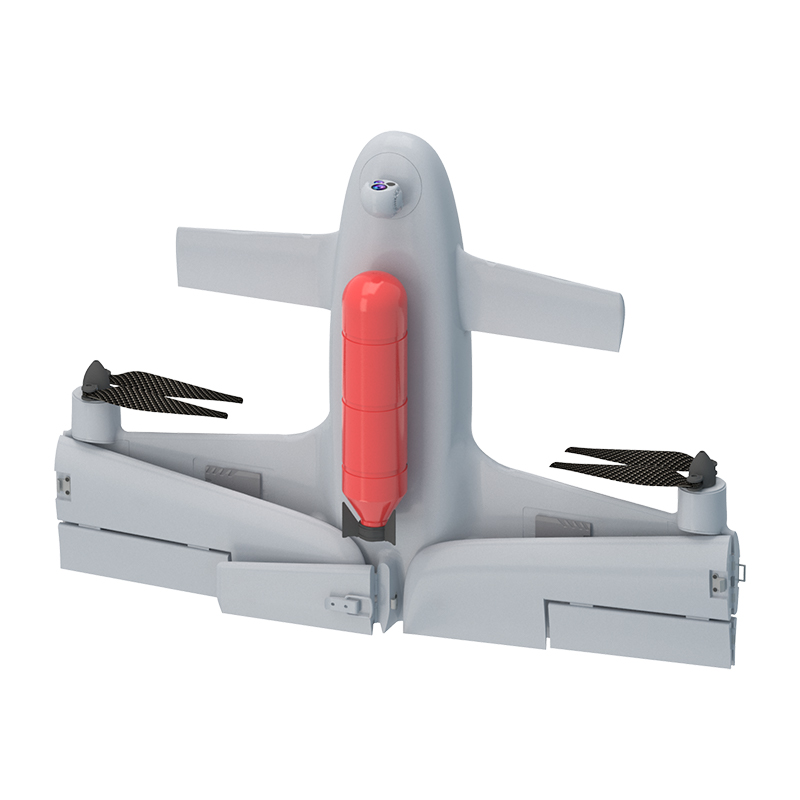
Unmanned combat systems are changing how defense, security, emergency response, and public safety teams collect information, assess risk, and respond to fast-moving situations. Drones are no longer limited to basic reconnaissance or simple aerial observation. They are becoming integrated mission platforms supported by sensors, autonomous flight functions, anti-interference technologies, secure communication links, and data workflows. In this future, ISR drones will remain one of the most important categories because they help organizations gain mission awareness before sending personnel into uncertain, remote, or hazardous environments.
How Are Unmanned Combat Systems Evolving?
Unmanned systems are moving from single-purpose aircraft to system-level platforms. This shift is important because modern users need more than a drone that can fly. They need reliable data, stable navigation, mission payloads, and long-term supplier support.
From Reconnaissance to Multi-Mission Support
Early military drones were often associated with reconnaissance and surveillance. Their main value was to provide aerial visibility over areas that were difficult or risky for ground teams to reach.
Today, unmanned systems can support a wider range of missions. They may be used for border monitoring, infrastructure inspection, disaster assessment, emergency response, security patrol, communication relay, and field awareness. ISR remains especially valuable because it focuses on collecting information, improving decision-making, and reducing unnecessary personnel exposure.
From Single Platforms to Integrated Systems
A modern unmanned system includes the UAV platform, sensor payloads, ground control station, communication links, navigation modules, data workflow, maintenance support, and operator training.
This means buyers should not evaluate a future UAV system only by flight time or range. A reliable system must collect useful information, maintain stable positioning, transmit data securely, and fit the user’s operating environment.
From Manual Control to Assisted Autonomy
Assisted autonomy will play a larger role in future UAV operations. Route planning, automatic stabilization, sensor-based navigation, AI-assisted perception, and operator decision support can reduce workload and improve mission consistency.
However, autonomy should not remove human responsibility. In professional and government-related operations, human oversight, clear approval processes, and lawful deployment remain essential.
Why Will ISR Drones Remain Central to Future Operations?
ISR drones are likely to remain central because they provide practical value across many environments. They support information collection without requiring teams to enter an area first.
How Do ISR Drones Improve Mission Awareness?
Mission awareness depends on seeing what is happening, where it is happening, and how conditions are changing. ISR drones can provide aerial views of borders, coastlines, disaster zones, industrial sites, restricted facilities, roads, bridges, and remote terrain.
For example, a border team may need to observe a long route between fixed sensors. An emergency response team may need to assess flood damage before sending vehicles. A security team may need to check a facility perimeter after an alert. In these cases, an ISR drone gives decision-makers a mobile aerial viewpoint.
Why Is Real-Time Information So Valuable?
Many operations depend on current information. If a route is blocked, a structure is damaged, or a security situation is changing, delayed reports may not be enough.
ISR drones can collect images, video, location data, and sensor information and send that data to operators or command teams. Real-time or near-real-time information can help teams coordinate faster and reduce uncertainty before committing people or vehicles.
How Can ISR Drones Reduce Operational Risk?
ISR drones can reduce direct exposure for personnel in hazardous, unstable, or hard-to-access environments. They can inspect routes, structures, wide areas, and restricted zones before ground teams enter.
This does not mean drones replace people. Instead, they support human judgment by giving teams better visibility, better documentation, and better preparation.
What Technologies Will Shape the Future of Unmanned Systems?
Future unmanned systems will be shaped by sensor payloads, AI-assisted data processing, navigation resilience, communication security, and modular design. These technologies will determine whether a UAV is useful in real operating conditions.
How Will AI-Assisted Perception Change Drone Operations?
ISR missions can generate large amounts of video, imagery, and sensor data. Reviewing all of that manually can be slow and inefficient.
AI-assisted perception can help operators identify changes, classify objects, flag anomalies, and organize information faster. The goal is not to replace the operator. The goal is to help the operator focus on the information that matters most.
For future unmanned systems, AI will likely become more valuable in data filtering, mission review, and decision support.
Why Will Navigation Resilience Matter More?
Future UAVs may operate in urban, mountainous, remote, or signal-degraded environments. In these conditions, positioning may be affected by weak satellite signals, blocked signals, or interference.
Reliable navigation may combine satellite receivers, inertial measurement units, altimeters, magnetometers, and visual navigation. Vision-inertial navigation is especially important because it can help aerial vehicles maintain position, attitude, velocity, and altitude data when satellite signals are unreliable.
For ISR work, navigation quality affects flight safety and data accuracy. If positioning is unstable, the collected information may be harder to use.
How Will Communication Links Affect Mission Value?
A UAV that captures strong images but cannot transmit them reliably may not meet mission needs. Communication links affect command control, live video, telemetry, and data transfer.
Professional buyers should evaluate signal stability, transmission range, encryption, interference resistance, and compatibility with ground systems. In some missions, recorded data may be enough. In others, live video transmission is essential because decisions must be made while the drone is still in the air.
Why Will Modular Payloads Become More Important?
Different missions require different sensors. A border monitoring project may need long-range visual observation. A disaster response mission may need thermal imaging. An infrastructure inspection task may need stabilized video and mapping data.
Modular payload design allows one UAV platform family to support multiple mission types. Common payloads may include EO cameras, IR or thermal sensors, stabilized gimbals, mapping sensors, communication modules, and navigation units. This flexibility can improve long-term value for buyers.
How Will Electronic Resilience Influence Future UAV Missions?
Future unmanned systems will depend heavily on reliable navigation and communication. Electronic resilience is important because UAVs may operate in areas where signals are weak, contested, or disrupted.
Why Are Anti-Interference Capabilities Important?
Signal interference can affect navigation, communication, and mission stability. Professional UAV systems may use multi-antenna GNSS support, inertial backup, secure command links, and anti-interference communication methods to maintain safer operation.
For ISR missions, stable positioning and reliable links are essential. Without them, the drone may still fly, but the mission value can drop sharply.
How Does Vision-Inertial Navigation Support Satellite-Denied Areas?
Vision-inertial navigation combines visual information with onboard sensor data. A system may use a visual navigation unit, IMU, satellite receiver, altimeter, and magnetometer to output position, attitude, velocity, and altitude data.
This can support aerial vehicles in satellite-denied or signal-degraded environments. For future ISR drones, this kind of navigation resilience will be important in urban areas, remote regions, and complex terrain.
Why Does Electronic Resilience Matter for ISR Data?
ISR data is only useful if it can be connected to time, location, and mission context. If navigation is unstable, image data may be harder to interpret. If communication is weak, real-time awareness may be delayed.
Future ISR drones should therefore be evaluated as resilient data systems, not only flying cameras.
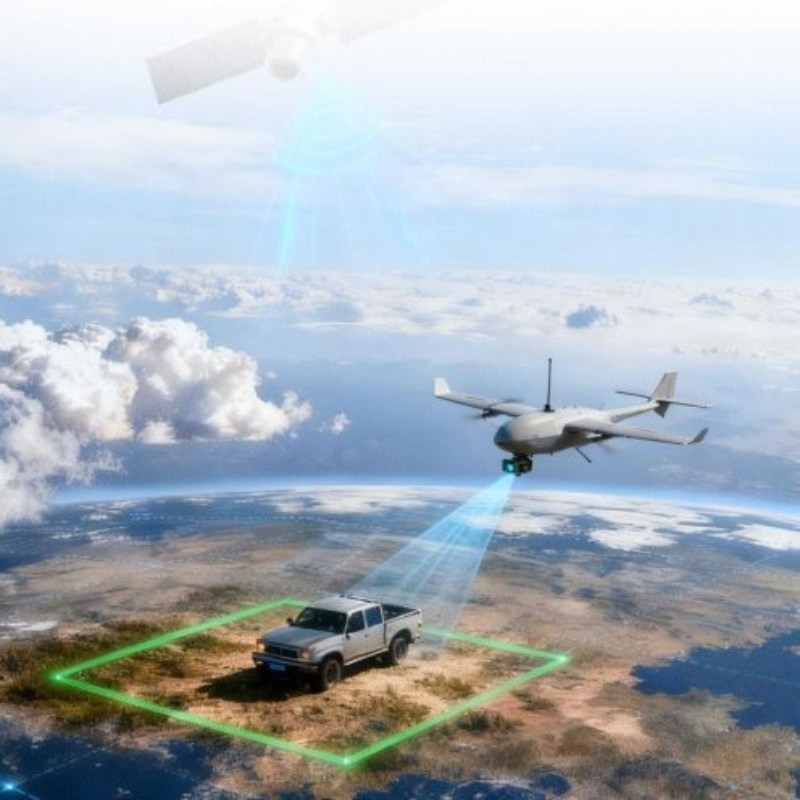
Why Choose Skypath as a Reliable ISR Drone Supplier?
Supplier selection matters because future UAV programs require more than hardware. Buyers need system-level support, payload integration, technical communication, and long-term service.
What Does Skypath Offer?
Skypath is a professional UAV and counter-UAS system supplier serving government, defense, law enforcement, security, and emergency-related users. Its product areas include ISR UAV systems, VTOL reconnaissance drones, gimbal cameras, anti-jamming antennas, vision-inertial navigation, electronic resilience technologies, and system-level UAV solutions.
Skypath’s solutions are designed around professional mission needs, including ISR operations, airspace security, restricted-area enforcement, and public safety missions.
How Can Skypath Support ISR Drone Buyers?
Skypath can help buyers match UAV platforms with mission environments, payload needs, navigation risks, communication requirements, and deployment conditions.
Support may include product selection, sensor integration, navigation and communication solution support, testing, deployment guidance, after-sales service, and spare parts planning. For professional buyers, this system-level approach can be more valuable than choosing an airframe alone.
Conclusion
The future of unmanned combat systems will be shaped by ISR drones, AI-assisted perception, resilient navigation, secure communication, modular payloads, multi-drone coordination, and responsible human oversight. Among these trends, ISR remains one of the most valuable roles because it supports mission awareness, safer assessment, and better decision-making.
Buyers should not evaluate future UAV systems only by range or endurance. They should also consider payloads, data quality, navigation resilience, communication reliability, compliance, maintenance, and supplier support.
Organizations planning ISR drone procurement should prepare mission scenarios, operating conditions, payload needs, communication requirements, navigation risks, and support expectations before choosing a supplier. With the right system and the right partner, ISR drones can help teams see more, respond faster, and make better-informed decisions with less unnecessary risk.
FAQs
What is the future of unmanned combat systems?
The future of unmanned combat systems will likely include more autonomy, AI-assisted perception, resilient navigation, modular payloads, multi-drone coordination, and stronger data workflows. ISR drones will remain important because they support safer observation and mission awareness.
Why are ISR drones important in future unmanned operations?
ISR drones help collect aerial information, monitor changing environments, and support decision-making without immediately exposing personnel to risk. They are useful for border monitoring, infrastructure inspection, disaster response, public safety, and defense-related field awareness.
How should buyers choose an ISR drone supplier?
Buyers should evaluate platform reliability, payload compatibility, sensor options, navigation resilience, communication stability, system integration capability, training support, maintenance service, spare parts availability, documentation, and compliance support.

Main Products
Our Main Products
At SkyPath we develop cutting-edge drones for every situation. Please browse our products.
Contact Us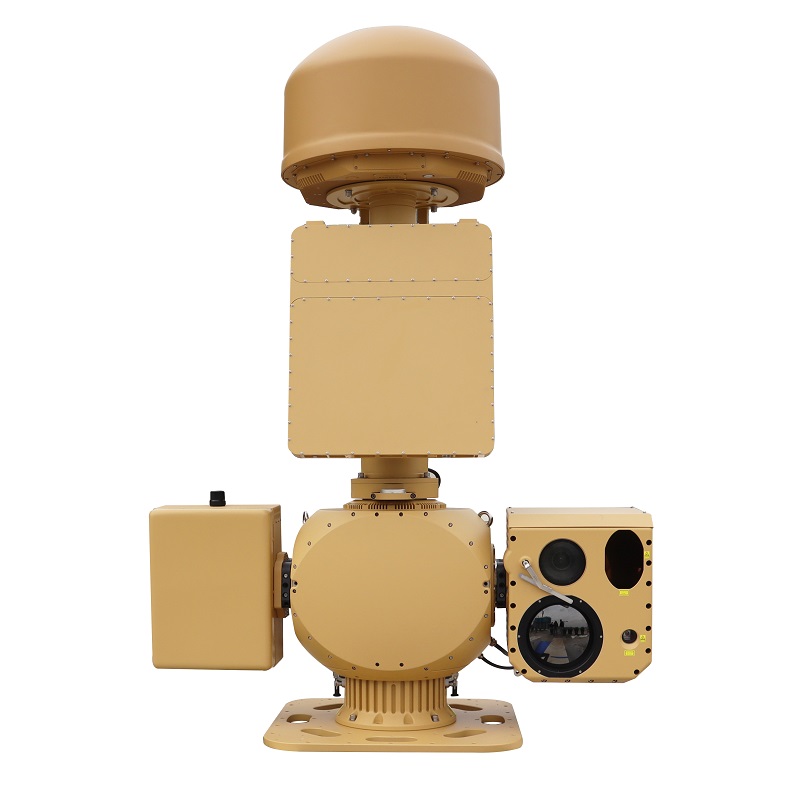
AUS70 Heavy-Duty Integrated C-UAS System
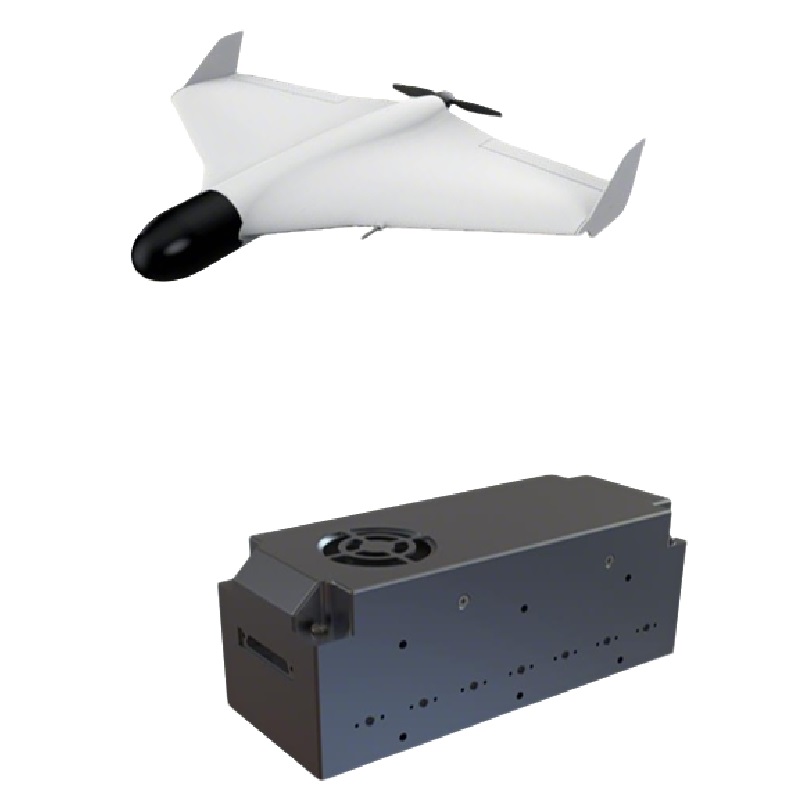
Anti-Drone Jammer Seeker
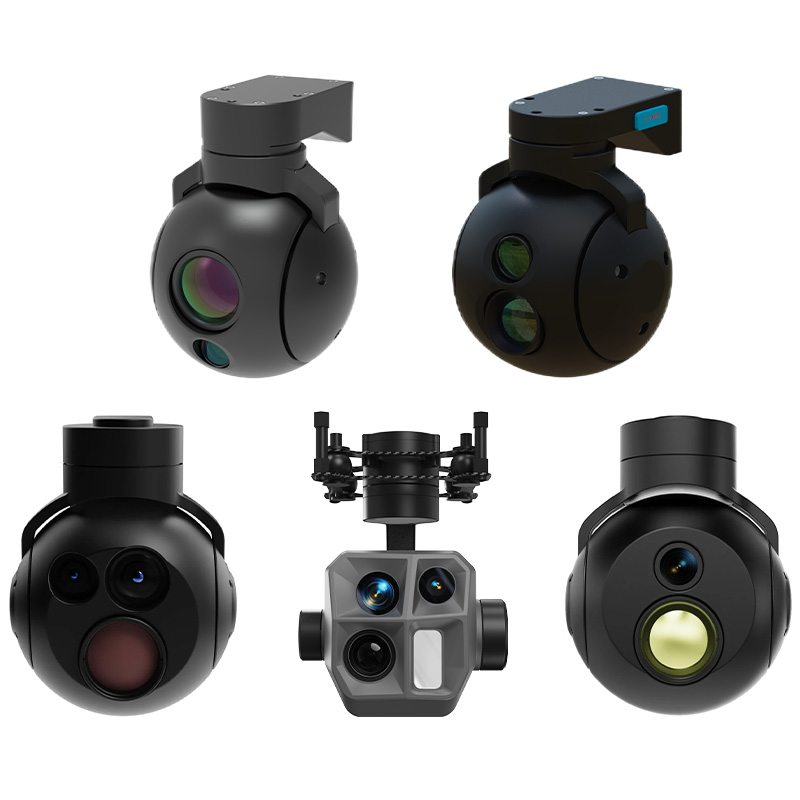
AD SERIES
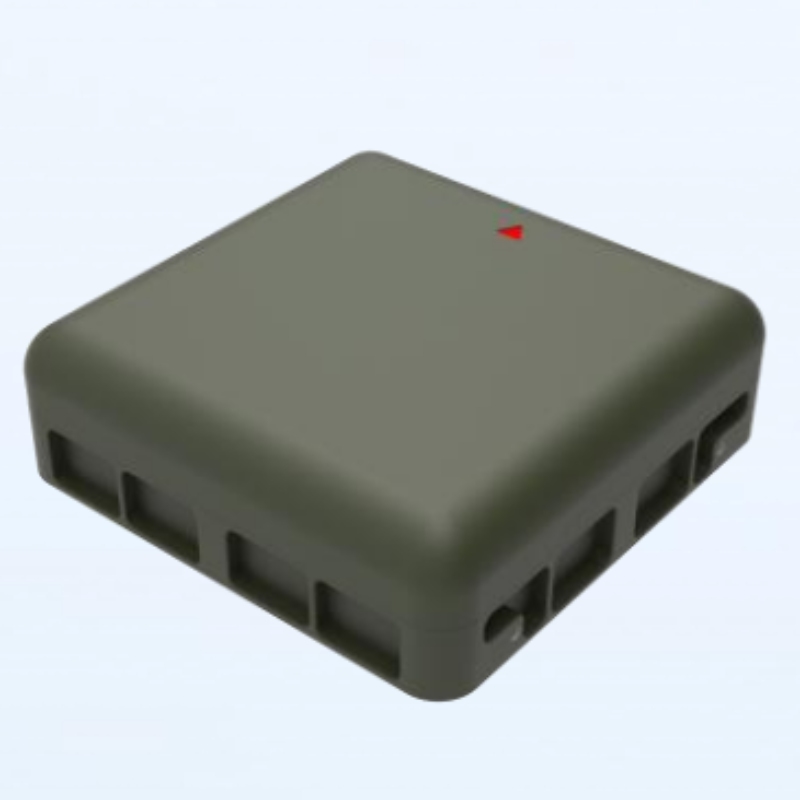
Anti-jamming antenna AJ410
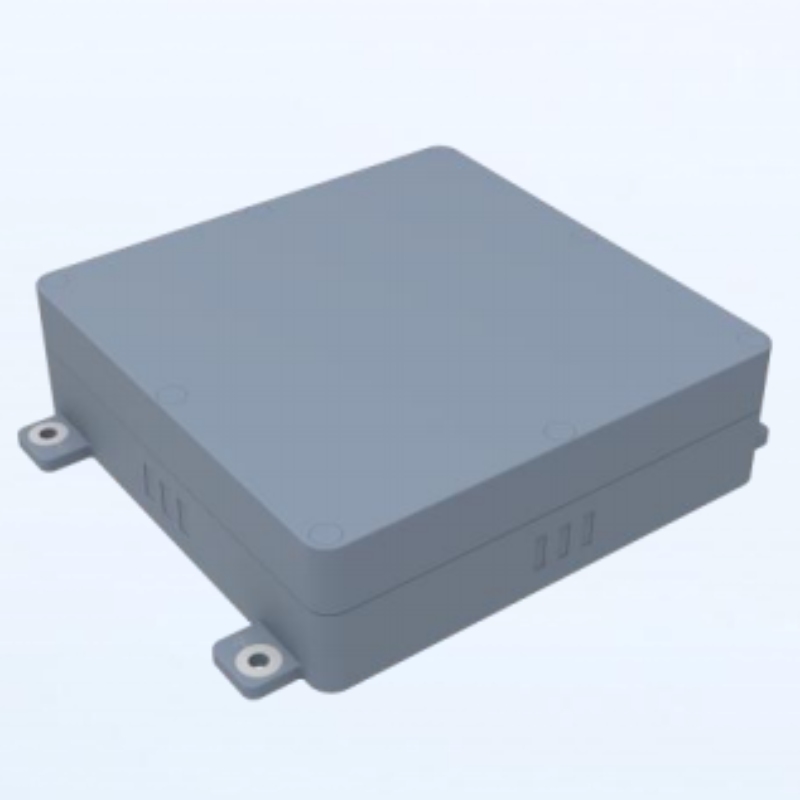
Anti-jamming antenna AJ440
Radar Absorbing Agents