Understanding Drone Defense How Counter UAS Systems Shape Modern Security
 author
 - 26th June 2026
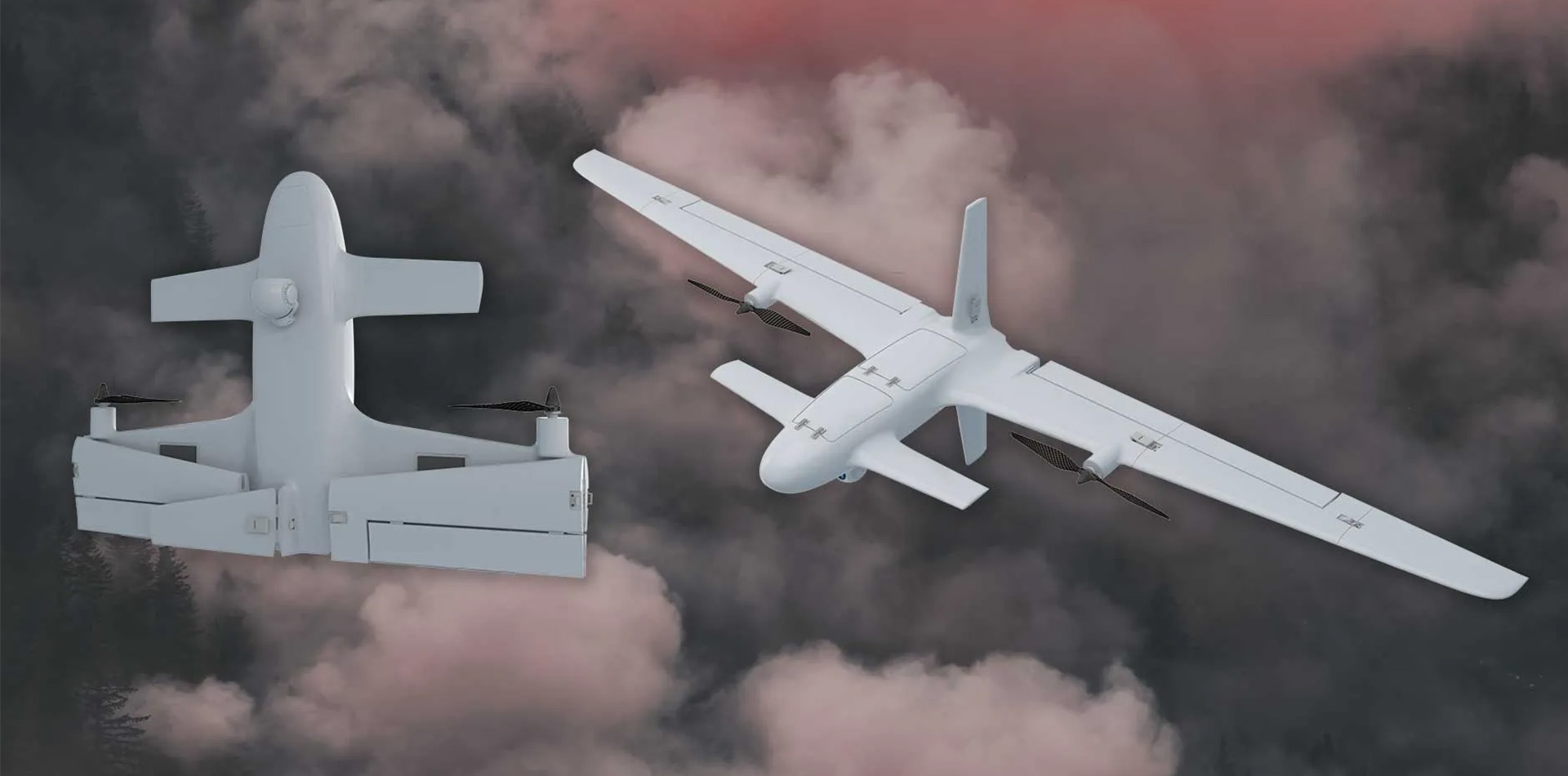
Unmanned aerial systems (UAS) have rapidly evolved and are now a core component of daily life. While innovations in UAS have led to the emergence of new industries in areas such as the logistics, surveillance, and agricultural sectors, the increasing proliferation of UAS has given rise to new security vulnerabilities. As UAS continue to be used by both individuals and organizations, counter UAS (C-UAS) technologies are being employed to counter threats posed by rogue or hostile aerial vehicles. In this article we will look at the ways in which anti-drone solutions are revolutionizing the nature of security today and present a technical, operational, and strategic overview of the solutions currently employed.
What Challenges Do Drones Pose to Modern Security?
Unmanned aerial vehicles (UAVs) have recently experienced significant growth, as their functionality and affordability have greatly increased. Many of these so-called “drones” pose novel challenges to civil and military security. As they are extremely difficult to detect and can easily penetrate and counter current air and missile defense systems, novel methods for their counteraction are required.
Emerging Threats from Unmanned Aerial Systems
A serious problem concerns the unauthorized surveillance by means of cameras or signal interceptors of high resolution quality installed on drones over sensitive infrastructure and data. Also equipped with weapons, these drones can conduct explosive or chemical attacks in war zones as well as in public places worldwide. The smuggling of contraband by means of drones, to be brought into prisons as well as across borders, is increasing at a rapid pace. They are impossible to detect by the conventional methods of inspection used by enforcement agencies and require new monitoring methods.
The Complexity of Detection and Identification
Detecting these threats is inherently difficult due to the small size and low radar cross-section of modern UAVs. Differentiating between friendly commercial drones and potentially hostile ones requires advanced analytics capable of interpreting flight patterns, signal signatures, and operational behaviors. Urban environments compound this issue—dense structures cause signal reflections and interference that obscure radar or radio frequency readings, complicating identification efforts for security teams.
How Do Counter UAS Systems Operate?
Innovation in designing and fielding Counter UAS (C-UAS) systems is evolving to tackle these UAS-related challenges using a layered Defense approach to detect, track, identify and mitigate UAS threats and protect people, information, assets, facilities, and geospatial airspace from emerging UAS threats, to detect and deter or disable or destroy and remove the UAS from the National Airspace System to prevent negative impact and/or to conduct maliciously-directed harm.
Core Components of a Counter UAS Framework
Detection relies on multiple sensor types such as radar arrays, radio frequency (RF) analyzers, acoustic sensors, and electro-optical/infrared (EO/IR) systems to locate drones across various ranges and conditions. Tracking provides continuous monitoring for situational awareness, enabling operators to evaluate threat levels dynamically. Identification employs artificial intelligence-driven classification algorithms that determine drone models, control frequencies, and potential intent based on behavioral data. Finally, Mitigation encompasses both non-kinetic and kinetic responses—ranging from jamming communication links or spoofing GPS signals to deploying interceptors or directed-energy devices designed to neutralize drones safely.
Integration with Broader Security Networks
Modern C-UAS systems are designed to operate in a transparent manner to integrate into centralized command and control centers in order to provide a coordinated response to emerging situations. The key to a successful system is data integration in order to provide real-time information to all parts of the system in order to allow different nodes in the system to provide appropriate information to support the network as a whole. Interoperability across all levels, from local event or airport use to national wide protection of critical infrastructure, is a scalability aspect of C-UAS systems.
Why Are Counter UAS Technologies Crucial for Critical Infrastructure Protection?
Intrusions by drones into critical infrastructure such as energy and industrial facilities, transportation systems, and government facilities pose increasing threats to operational continuity and to safety of people.
The Role of C-UAS in Safeguarding Strategic Assets
Counter-UAS solutions are used to prevent unwanted surveillance flights over restricted areas and to prevent malicious attempts to sabotage facilities by means of explosive payloads as well as by electromagnetic interference. C-UAS systems also ensure business as usual by stabilizing secure airspace around critical installations. Even minor disruptions to such sites can have severe economic or safety effects.
Regulatory and Operational Considerations
Legal compliance is fundamental when deploying anti-drone measures; adherence to aviation authority regulations such as those set by the FAA or EASA ensures lawful operation within civilian environments. Balancing robust security with privacy protection remains an ongoing policy challenge requiring transparent governance frameworks. Continuous operator training further strengthens system effectiveness under evolving threat conditions.
How Is Technology Advancing the Effectiveness of Anti-Drone Solutions?
Advances in technology are enabling rapid developments in defenses against drones through automation, AI, sensor fusion and adaptive systems.
Artificial Intelligence and Machine Learning Applications
AI enhances target recognition accuracy by analyzing flight behavior patterns in real time. Machine learning enables faster adaptation against swarming attacks or autonomous UAVs by drawing on historical engagement data for predictive modeling. These intelligent algorithms continuously refine decision-making processes across detection-to-mitigation workflows.
The Role of Sensor Fusion in Threat Detection
Sensor fusion from radar, RF sensors, EO/IR cameras and acoustic arrays enables unified situational awareness within one interface. By correlating multiple sensors, Sensor Fusion minimizes false alerts from environmental noise significantly. It also increases range accuracy and the time to alert. In high risk areas like airports or military sites, this can translate into precious time to respond correctly as false alerts in these scenarios can result in a fatal delay in the execution of a response.
Who Are the Key Players in the Counter UAS Market?
The global demand for anti-drone technologies has pushed established defense companies and new, specialized technology start-ups to develop and market reliable systems, many of which are designed to be easily upgradeable and to be configured as modular countermeasures.
Overview of Industry Leaders and Innovators
Established defense integrators continue to run large-scale deployments of hybrid systems, with robust hardware underpinned by sophisticated software intelligence. Other technology companies are building modular systems for use in a non-defense environment – event security, industrial site protection etc. A variety of startups are also building innovative new solutions including AI based detection and portable mitigation systems optimized for rapid deployment.
Skypath: A Trusted Supplier in Counter UAS Solutions
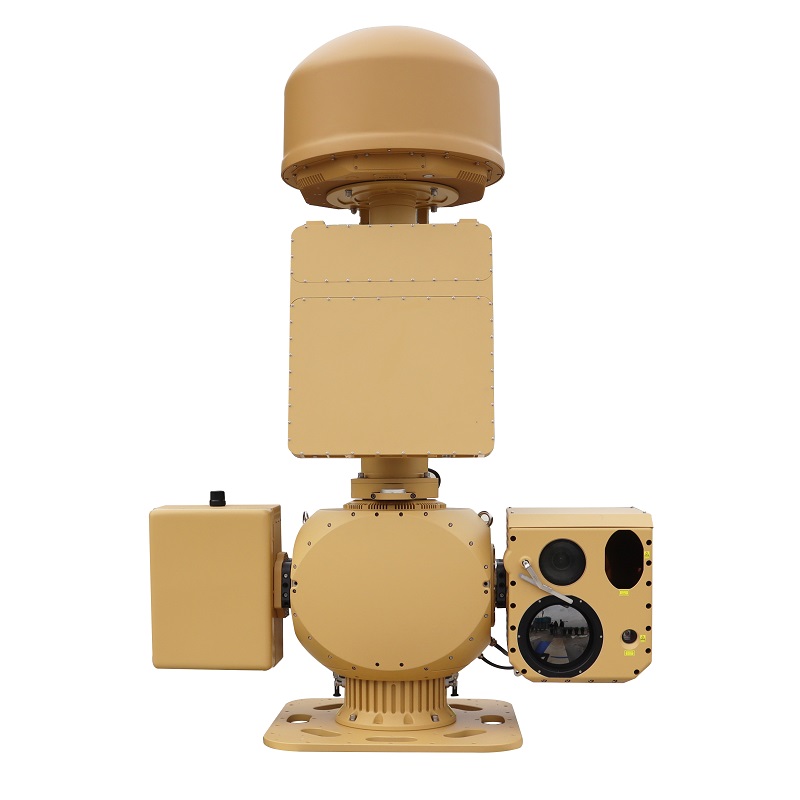
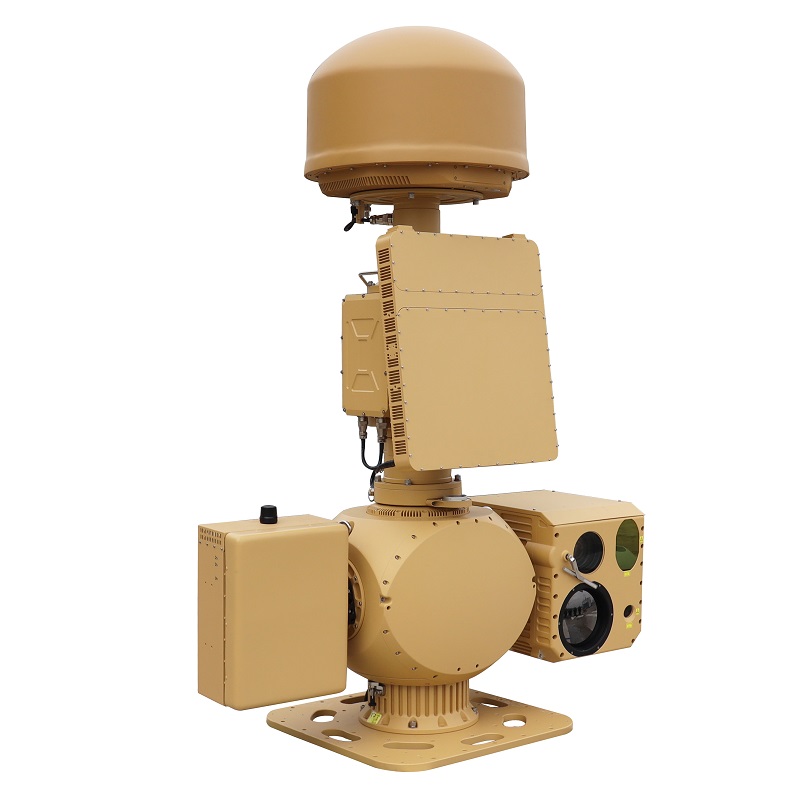
The AUS70 is a heavy-duty, fully integrated Counter-UAS (C-UAS) system providing automated, all-weather protection against unauthorized low, slow, and small (LSS) UAV threats. Integrated Detection & Identification Combines RF spectrum monitoring, radar surveillance, and EO/IR tracking to enable early detection, verification, and positive identification of unauthorized UAVs. Non-Kinetic Mitigation & Escalation Control Utilizes an integrated RF jammer to disrupt UAV control links, forcing landing or return, with an optional laser dazzler available for controlled escalation based on operational needs. A central AI-managed platform coordinates all subsystems within a compact, modular design supporting 24/7 operation across diverse security environments.
Skypath’s AUS70 exemplifies advanced drone defense integration through its High Integration & Intelligent Synergy, ensuring seamless subsystem coordination for efficient neutralization workflows. Its Advanced Multi-Mode Spectrum Detection enables precise UAV model identification and pilot localization using wideband RF analysis capabilities spanning 300 MHz–6000 MHz frequencies. The High-Performance Radar with Digital Beamforming delivers superior range accuracy up to 5 km while tracking multiple aerial targets simultaneously—ideal for protecting sensitive airspace around airports or industrial facilities.
In addition to this, the system’s Combined Soft & Hard Kill Countermeasures offer a comprehensive set of threat engagement options, by enabling the jamming or spoofing of enemy sensors using RF signals, while also offering the option of a laser dazzling module for hard kill applications. The Fully Modular & Scalable Design of the system’s components, also supports installation in a number of different formats, to offer users a flexible solution that can be easily installed and integrated into a border or urban protection regime, without added cost.
The Heavy-Duty Integrated Counter-UAS system is a low-altitude airspace security system designed to protect critical sites such as military bases, airports, prisons, nuclear/chemical/biological industrial facilities, border defenses, convention centers, government buildings, oil fields, and fuel depots.
How Will Counter UAS Systems Influence Future Security Strategies?
As technologies used to counter UAS evolve and are increasingly embedded within larger national defense systems and even commercial protection of air and other space shared by organizations, new opportunities and challenges are emerging.
Integration into Multi-Domain Defense Ecosystems
Coordinated interoperability between land-based sensors and aerial surveillance networks enhances situational awareness across multiple operational domains—land, sea, air, and cyber. Shared intelligence frameworks accelerate decision-making during potential drone incursions while predictive analytics anticipate emerging threat vectors before they materialize into actionable incidents.
Policy Development and Ethical Implications
Around the world governments are formalizing rules regarding the interception of drones in order to ensure that any defensive actions are proportionate. The ethics of jamming a drone in a populated area for example, is becoming increasingly important and is leading to the way in which such actions can be conducted in order to minimize disruption whilst protecting people and assets. There is also increasing collaboration between industry and governments to develop standard methods for countering threats to aircraft and developing and implementing harmonized policies and strategies for counter-drone in order to create safe skies.
Conclusion
Counter UAS systems form part of a more advanced security solution that combines the latest in sensing technology with adaptive AI analysis in order to protect society against ever increasing aerial threats. The use of drones is increasing rapidly in both the military and commercial markets and integrated systems such as Skypath’s AUS70 provide a precision engineered, automated solution that offers the highest level of protection to critical national infrastructure whilst ensuring that all relevant regulations are adhered to along with the rights of individuals.
FAQs
What distinguishes a counter UAS system from traditional air defense systems?
Counter UAS systems are specifically designed to detect, identify, track, and neutralize small unmanned aerial vehicles that conventional radar-based air defenses may overlook due to their size or flight altitude.
Can counter-drone measures operate legally in civilian environments?
Yes—when deployed under proper authorization and within regulatory frameworks established by aviation authorities such as the FAA or EASA; unauthorized use may violate communication laws due to signal interference.
How do organizations choose the right C-UAS solution?
When selecting security solutions various operational requirements need to be considered. These include the area that is to be covered, the assessed threats, environmental issues, integrability with existing systems of infrastructure, as well as local regulations prior to a purchase decision being made.

Main Products
Our Main Products
At SkyPath we develop cutting-edge drones for every situation. Please browse our products.
Contact Us
AUS70 Heavy-Duty Integrated C-UAS System
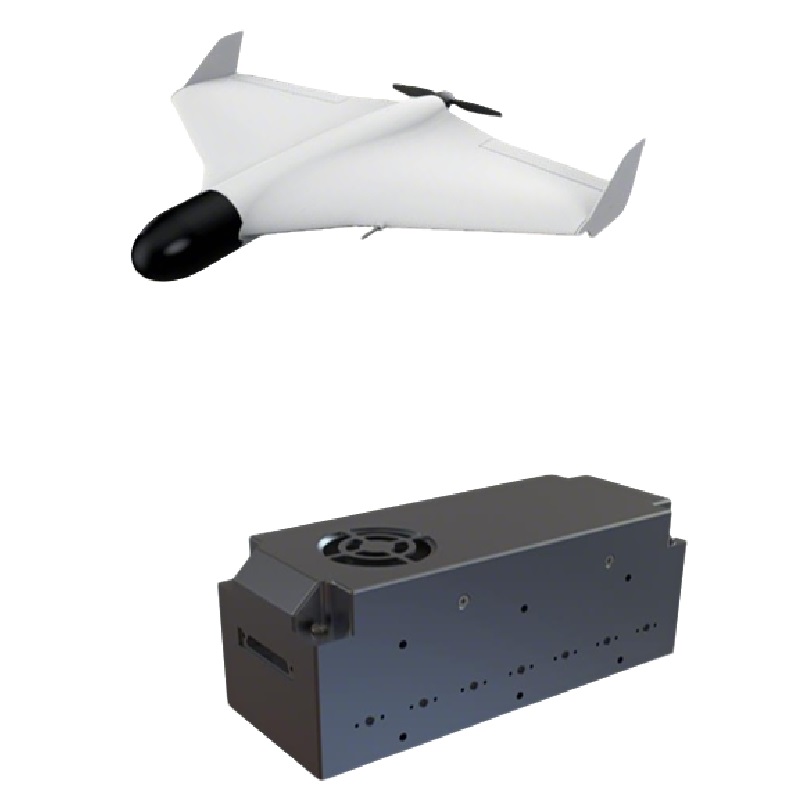
Anti-Drone Jammer Seeker
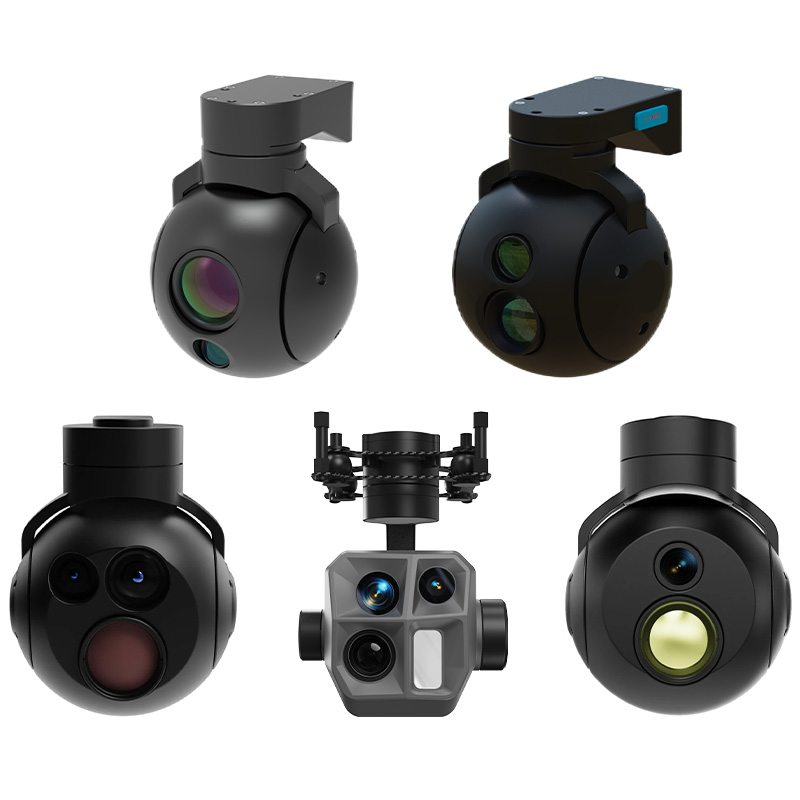
AD SERIES
Anti-jamming antenna AJ410
Anti-jamming antenna AJ440
Radar Absorbing Agents